
We provide active water infiltration control for commercial structures.
Water entering your wall, joint or sleeve needs a review of its path. We select injection methods for the flow, substrate and access at your commercial or utility structure.
- Active flow and seepage review
- Crack and joint injection
- Sleeve and penetration grouting
- Water-path material selection
- Occupied-site access planning
- Engineer-directed scopes where applicable
Specialty field contractor for commercial, municipal, industrial and institutional properties. Serving CT, NY, NJ, PA, and MA.
We review where water enters your structure.
Flowing cracks, wet joints and recurring seepage can have different paths. Show us the entry locations and previous repairs so we can review the condition before selecting injection.
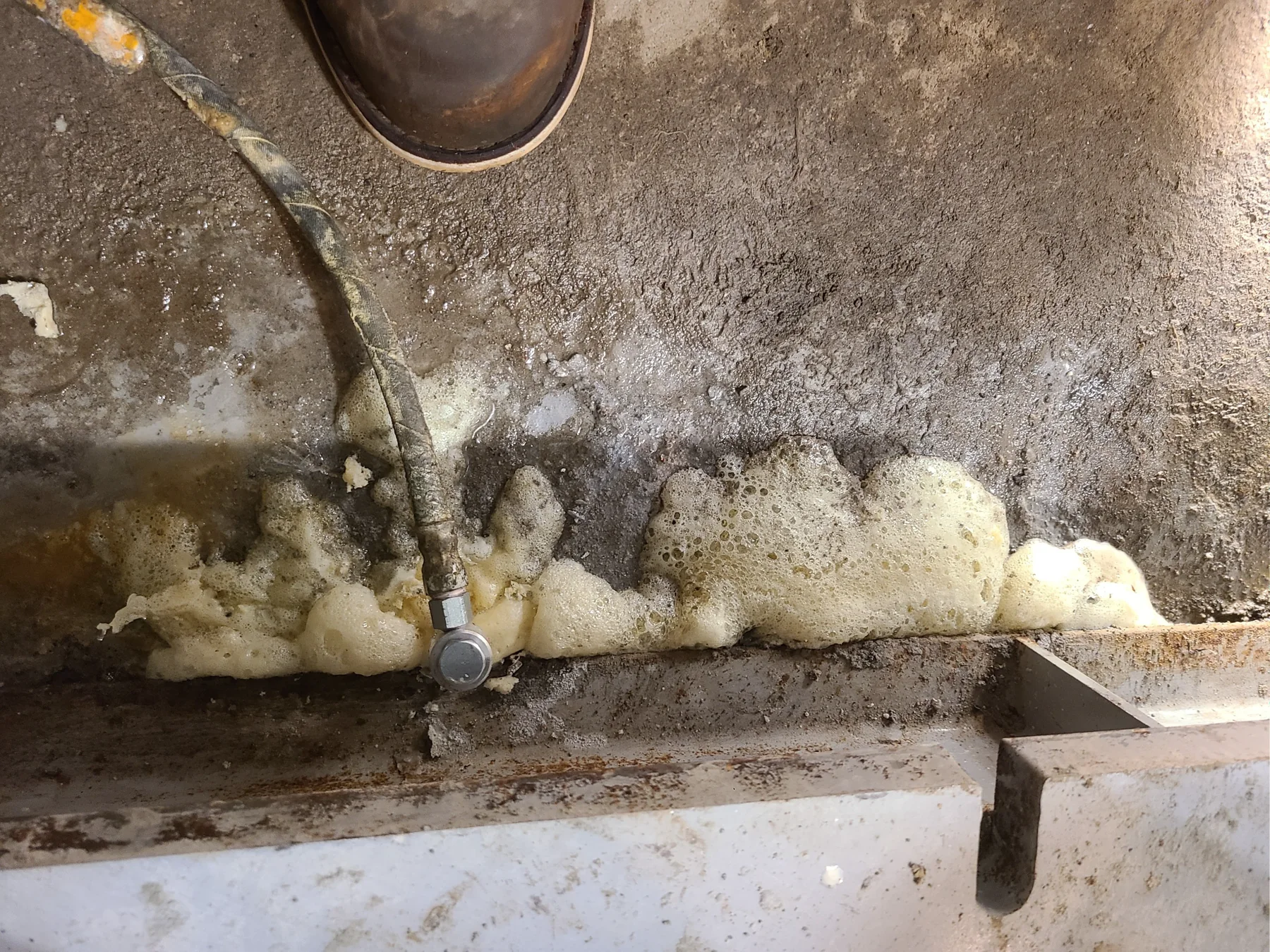
- Water flows through cracks in your below-grade concrete wall.
- A leak returns beside or behind an earlier surface patch.
- Cold joints or wall-floor interfaces stay wet as groundwater rises.
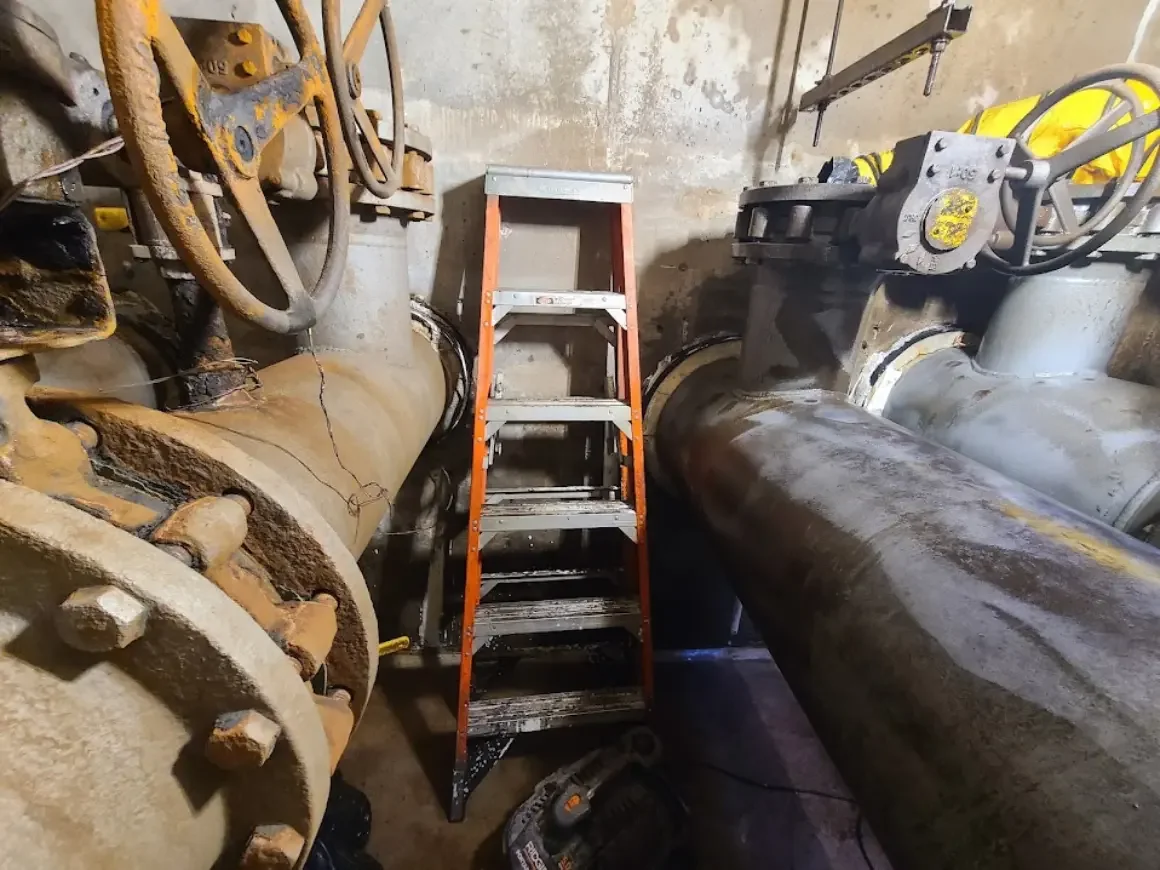
- Water tracks around a pipe sleeve or conduit entry.
- Several wet areas suggest a connected path within the wall or adjacent soil.
- Water entry affects equipment access or occupied facility areas.
How we handle active water entering your structure.
The visible wet spot is the starting point. We review the water path, substrate and access before selecting a field method.
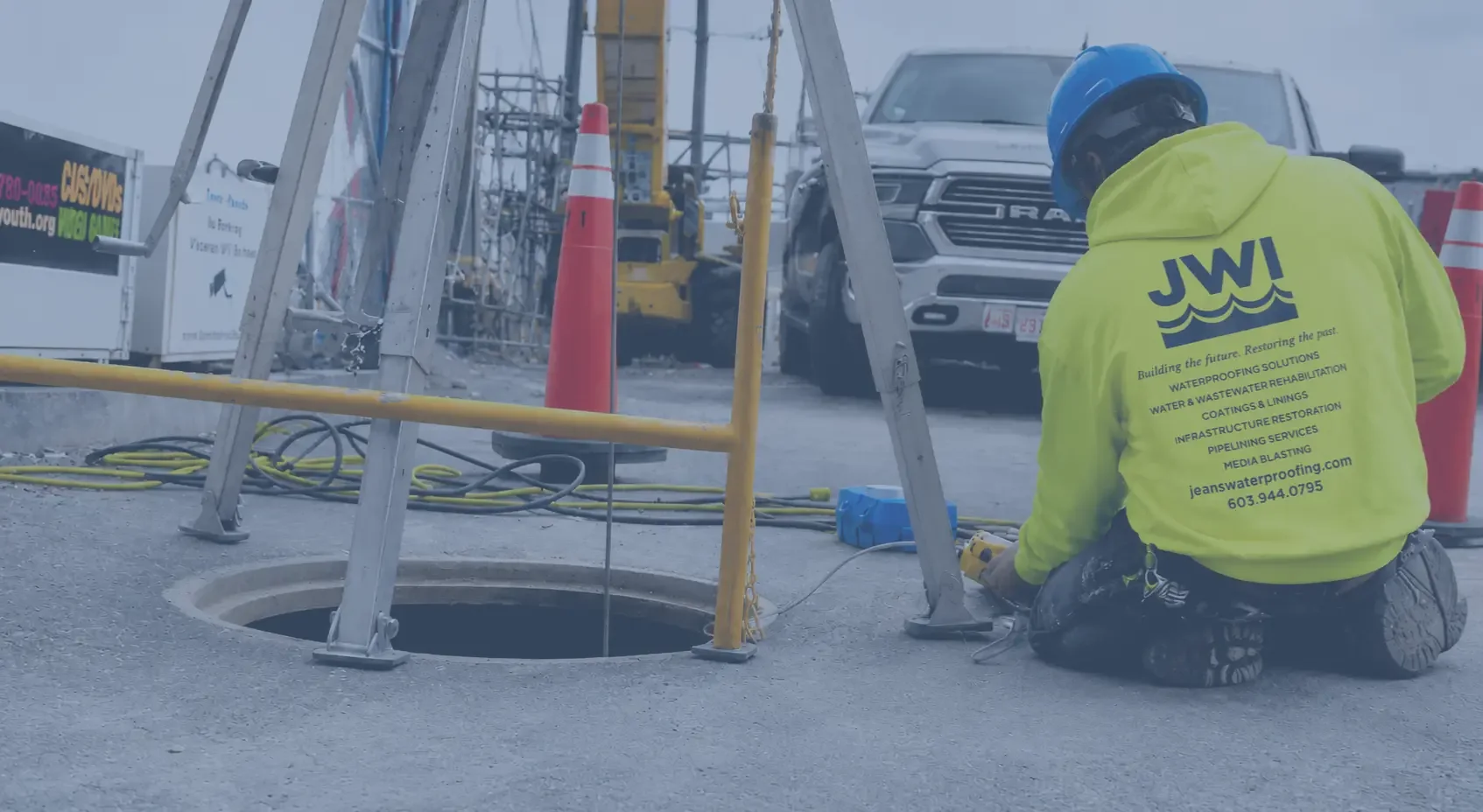
When you see this
Water flows through a concrete crack.
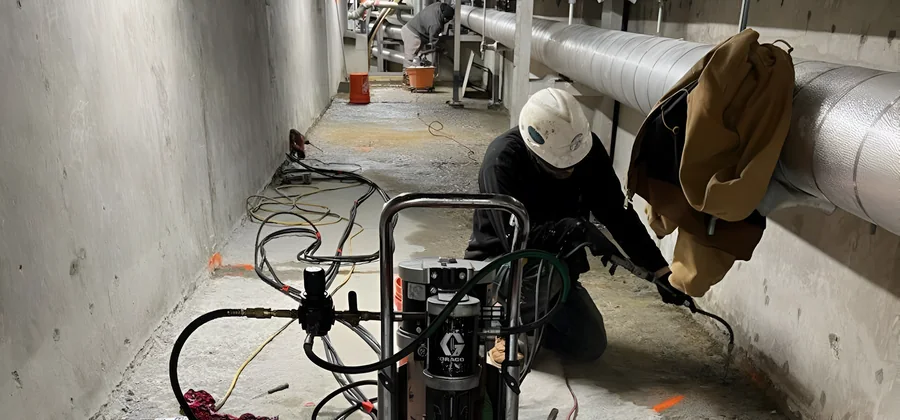
JWI handles this by reviewing the crack network and water activity, then planning suitable injection material and accessible port locations.
- Crack review
- Material selection
- Sequenced injection
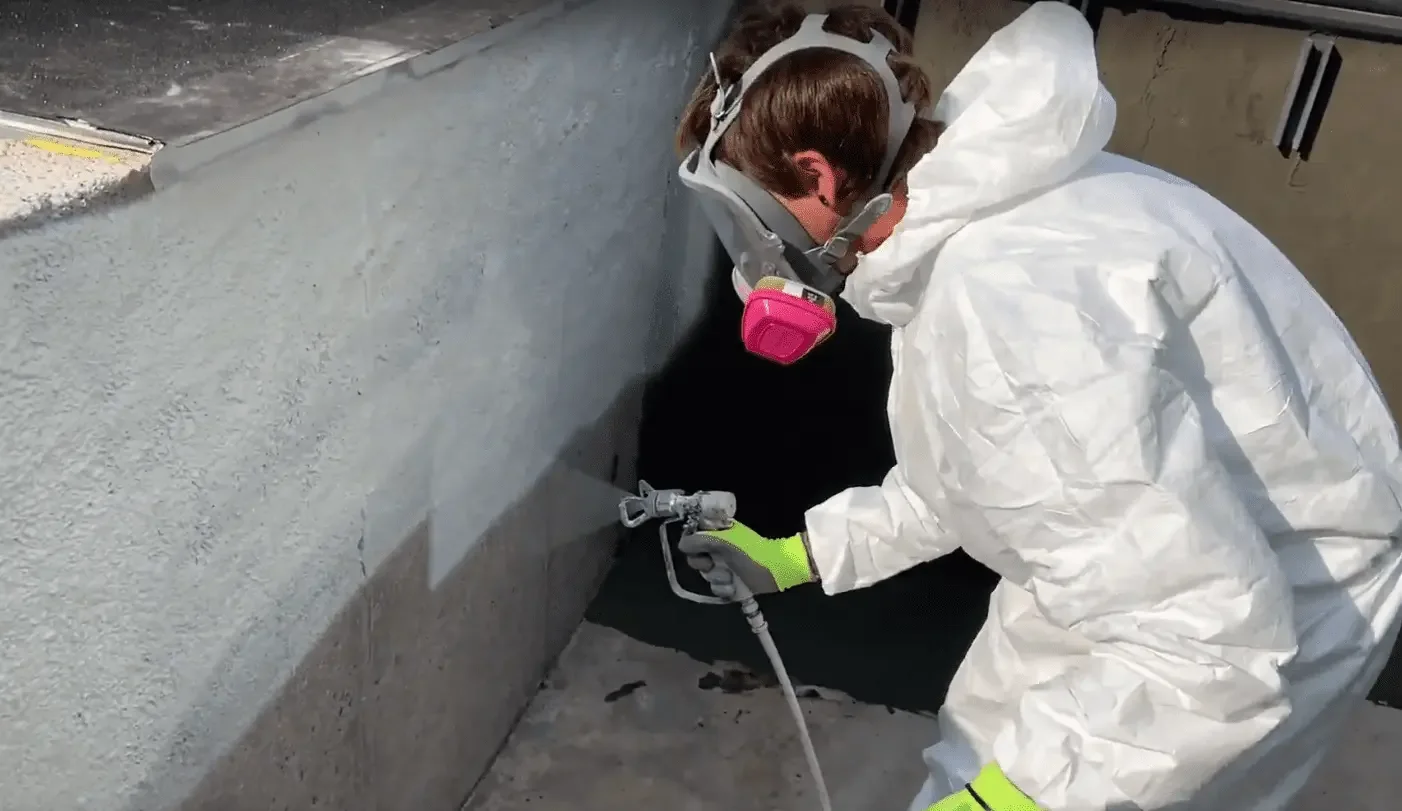
When you see this
The leak returns after surface patching.
JWI handles this by reviewing water movement beyond the patched area before selecting treatment for the continuing entry path.
- Repair-history review
- Water-path review
- Injection planning
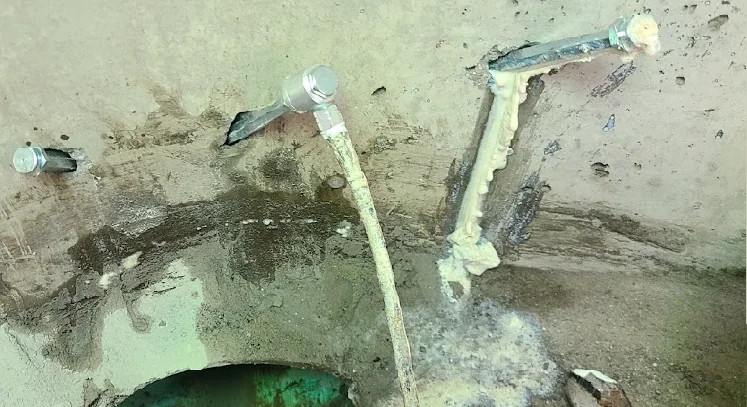
When you see this
Water tracks along a joint or sleeve.
JWI handles this by reviewing the interface, movement and utility clearance before planning joint or penetration grouting.
- Interface review
- Joint injection
- Penetration grouting
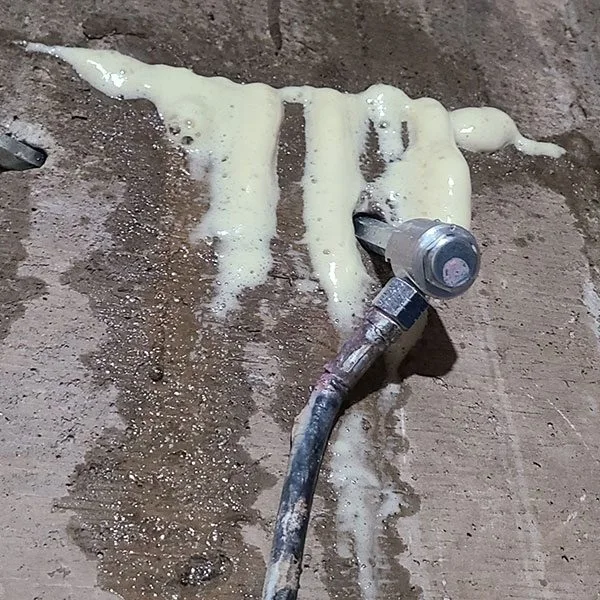
When you see this
Groundwater reaches a broad buried wall area.
JWI handles this by reviewing the contributing soil and available access to determine whether curtain or permeation grouting is suitable.
- Groundwater-path review
- Permeability review
- Soil-zone injection

Contact JWI
Show us the water-entry point.
Send leak photos or video, structure details and previous repair information for a site-specific review.
Specialty field contracting for commercial, municipal, and infrastructure properties.
Jump to project inquiry formWe plan active water leak stopping around the entry path.
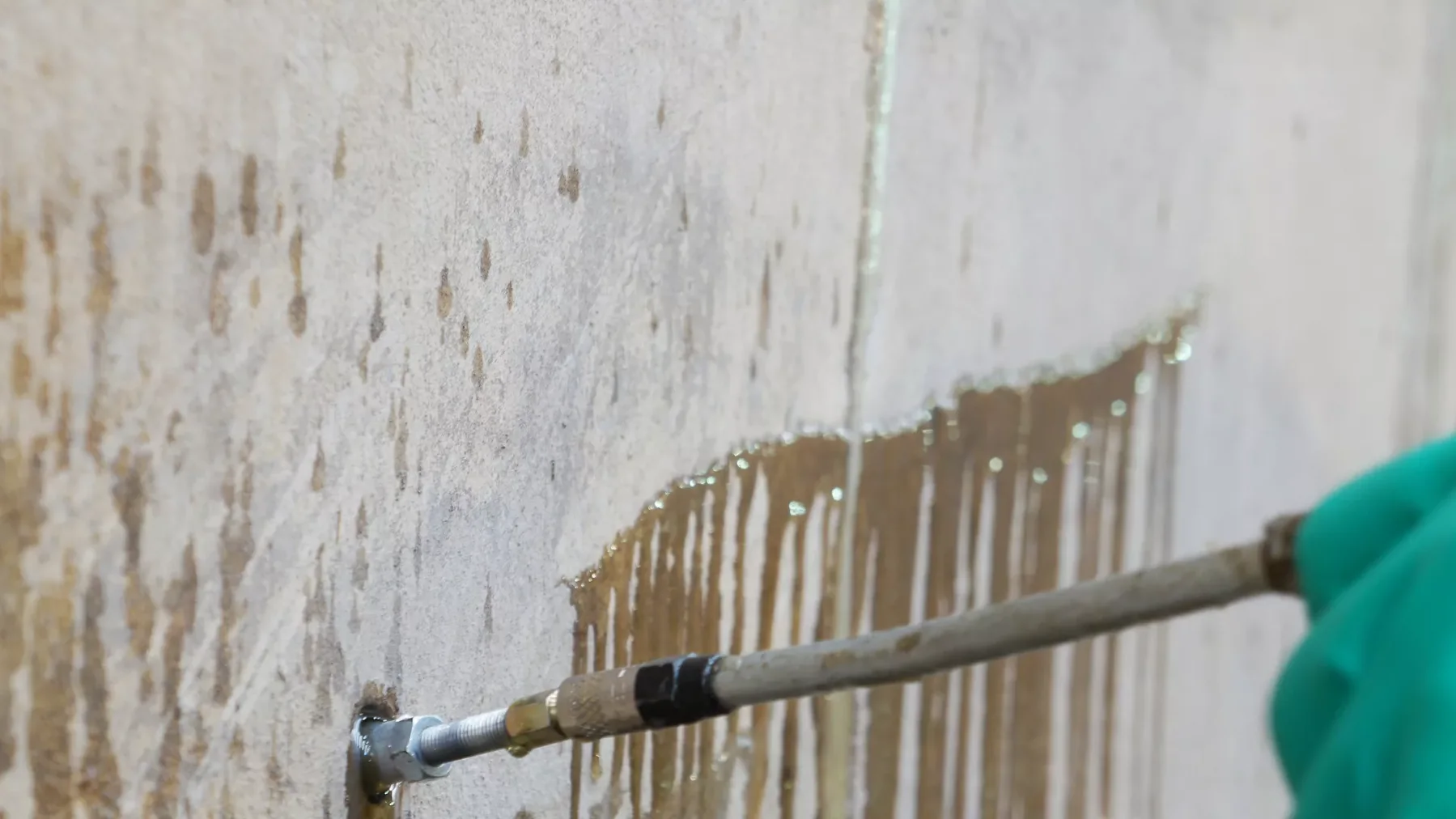
Active water leak stopping begins with where the water enters, how it behaves and what lies behind the visible opening. Flowing water through a crack or joint can follow a connected path within concrete, masonry or adjacent soil. A surface patch may leave that path untreated. JWI reviews leak photos or video, prior repairs and structure details before discussing active water leak injection.
Active water leak sealing may use selected polyurethane or other specified injection grout placed through ports that reach the pathway. Water activity, crack or joint width, substrate condition, chemical exposure and access guide material choice and injection sequence. Water leak stopping grout must suit those conditions; one resin or port pattern does not fit every leak.
We plan access around the structure and the people using it. Utility clearances, equipment protection, confined-space requirements and the owner's work windows can affect where ports are placed and how the work proceeds. Leak response is reviewed against agreed visual or project criteria, with remaining paths or monitoring needs documented for the owner.
Share a link to video showing water entry, the structure type and what previous repairs addressed. Include whether flow is constant, follows rain or changes with groundwater. These details help distinguish a local crack or sleeve leak from water reaching a larger area behind the wall.
Where water entry is tied to a wider repair condition, your scope may also involve Curtain Grouting for Soil-Fed Water Paths, Chemical Grout Injection, and Soil Stabilization.
Engineering design, structural determinations, geotechnical engineering opinions, and regulatory interpretations should be provided by the appropriate licensed professionals when required.
Your leak condition determines the treatment path.
| Condition | Structure or environment | Possible service path | Notes |
|---|---|---|---|
| Water flows through a concrete crack. | Commercial below-grade wall | Review the crack network for selected grout injection. | Flow, width, substrate and access guide port placement. |
| Water returns after a surface patch. | Occupied building or utility structure | Review the continuing water path before another surface repair. | Water may be moving beyond the visible patched area. |
| A wall-floor joint remains wet. | Pit, foundation wall or containment interface | Review joint injection and the movement the material must accommodate. | Joint condition and chemical exposure affect selection. |
| Water tracks around a sleeve. | Pipe or conduit penetration | Plan penetration injection around the accessible leak path. | Sleeve condition and utility clearance are reviewed first. |
| Groundwater reaches a broad wall area. | Buried wall or utility vault | Review whether curtain or permeation grouting suits the contributing soil zone. | Soil permeability, access and available project information determine feasibility. |
We select injection materials for your water and substrate.
Water activity, interface geometry, exposure and access guide grout selection. Ports and placement sequence must reach the intended path without treating every wet area as the same condition.
- Hydrophilic or hydrophobic polyurethane injection selected for water behavior and substrate.
- Acrylate injection for suitable fine paths or selected soil treatment.
- Crack and joint injection through accessible, sequenced ports.
- Penetration and sleeve grouting where water follows the interface.
- Curtain or permeation grouting where the contributing path is in suitable soil behind the structure.
- Engineer-specified products and field documentation where required.
We coordinate water-control work around your structure's use.
For structure-specific access and repair details, see Elevator Pit Waterproofing, and Manhole and Vault Grouting.
- Commercial foundation and below-grade walls
- Utility vaults and equipment chambers
- Industrial pits and process trenches
- Wastewater wet wells and pump station structures
- Institutional buildings with occupied areas below grade
- Elevator pit interfaces coordinated with the elevator contractor
Below grade water infiltration repair starts with the hidden pathway.
Below grade water infiltration repair requires a view of the hidden pathway. Groundwater can reach a buried wall through joints, porous concrete or soil behind the structure, then appear at a different point inside. JWI reviews water-entry locations, structure drawings and earlier repairs before planning below grade leak injection.
A defined crack or sleeve path may support targeted injection. Where water is moving through a suitable soil zone toward a larger wall area, curtain or permeation grouting may be considered. Substrate condition, permeability and access decide which approach fits. Send available soil information and groundwater history with the leak photos; structural or geotechnical determinations remain with qualified professionals when required.
What we review before injection
- Constant flow, seepage or weather-related water entry
- Crack, joint and sleeve geometry
- Substrate condition and previous repairs
- Groundwater behavior and contributing soil paths
- Chemical exposure and product compatibility
- Injection access and utility clearance
- Occupied areas and confined-space requirements
- Engineer specifications and verification criteria
We move from leak findings to a defined field scope.
- 01
We review the water entry.
Assess photos or video, water history, structure details and previous repair attempts.
- 02
We identify the likely pathway.
Review whether water follows cracks, joints, penetrations or a contributing soil zone.
- 03
We plan access and material selection.
Coordinate ports, utility clearance and facility constraints, then select grout for the water and substrate.
- 04
We carry out the selected injection scope.
Place grout in sequence and monitor the accessible leak area against the project requirements.
- 05
We review the field response.
Check leakage reduction against agreed criteria and note any remaining paths or monitoring needs.
- 06
We record the work for your team.
Provide field notes and product information required for the owner or engineer's file.
We plan water intrusion and joint leak sealing at the interface.
Water intrusion and joint leak sealing focuses on the interfaces in your structure. Cold joint water infiltration, a leaking wall-floor junction or water at a pipe penetration can continue after a surface sealant fails. We review joint movement, sleeve condition and the location of water entry before planning concrete joint leak sealing.
Water may track along a sleeve or joint rather than enter directly behind the wet spot you see. JWI plans grout placement around that path and the accessible interface, coordinating with your facility or utility team. Send close-up joint and sleeve photos, drawings and repair history so the proposed work addresses the observed entry condition.
- Commercial and institutional below-grade assets
- Municipal utility and wastewater structures
- Industrial pits and equipment areas
- Inspection-led injection planning
- Project-specific access and material review
- Field contracting coordinated with owner and engineer teams
Serving CT, NY, NJ, PA, and MA Commercial Properties
JWI supports commercial, municipal, industrial, institutional, and infrastructure properties across Connecticut, New York, New Jersey, Pennsylvania, and Massachusetts. Our work is suited for facilities where water intrusion, soil loss, slab movement, voids, concrete deterioration, or below-grade infrastructure failure can disrupt operations, create safety concerns, or increase long-term repair costs.
For active infiltration, send your water-entry locations and structure details so we can discuss a site-specific review in Connecticut, New York, New Jersey, Pennsylvania or Massachusetts.
View the service area for CT, NY, NJ, PA, and MA commercial propertiesRelated Technical Systems
Material and field-system reference pages related to this scope. They support buyer education and are not a substitute for site review.
What to know before sending your water-entry details.
Send the water-entry details for review.
Show us where water enters your structure and what has already been tried. We can discuss injection access and a suitable field review from the leak behavior, substrate and project constraints.
- Site location and structure type
- Leak photos or a link to video
- Constant, intermittent or weather-related flow
- Prior repairs and known water paths
- Drawings and available soil information
- Equipment, utility and access constraints