
Water and Wastewater Structure Rehabilitation
We rehabilitate water and wastewater structures with grouting, concrete restoration, and protective linings for wet wells, pump stations, clarifiers, and tanks affected by infiltration, hydrogen sulfide corrosion, and lining failure in harsh effluent service across CT, NY, NJ, PA, and MA.
- Wet wells & pump stations
- Tanks & process structures
- Infiltration & I&I control
- Corrosion & spall repair
- Coatings & linings
- Outage-window coordination
Specialty field contractor; engineer-directed scopes where applicable; serving CT, NY, NJ, PA, and MA commercial properties.
Request a Site Review
If wet wells, pump stations, tanks, or process structures show infiltration, corrosion, or lining failure, we can review conditions and discuss grouting, restoration, and coating options with your team.
Step 1 of 4
Contact
Specialty field contractor; engineer-directed scopes where applicable; serving CT, NY, NJ, PA, and MA commercial properties.
Water and Wastewater Structure Rehabilitation Problems
Wastewater structure rehabilitation is usually driven by I&I, wet-well deterioration, manhole corrosion, tank lining failure, or pump-station concrete exposed to harsh service. In those conditions, shutdown planning and material compatibility matter as much as the repair method. We support municipal and industrial owners with field remediation matched to structure type and operating constraints.
- 01Active infiltration and I&I at wet wells and pump station structures
- 02Hydrogen sulfide and effluent corrosion causing spalling and cover loss
- 03Deteriorated clarifier, basin, and channel concrete in harsh service
- 04Failed protective coatings and tank linings in process areas
- 05Manhole and junction structure leakage contributing to collection system I&I
- 06Joint and cold-joint failure in water-retaining elements
- 07Soil loss and voids around buried wastewater structures
- 08Wet well floor and wall deterioration under continuous submersion
- 09Pump station dry-well leakage threatening equipment and access
- 10Aging storage tanks and digesters requiring repair without full replacement
Water and Wastewater Structure Rehabilitation for Infiltration, Deterioration, and Protective Linings
Water and wastewater structures operate in some of the harshest service environments in municipal infrastructure. Wet wells, pump stations, clarifiers, aeration basins, storage tanks, and collection system assets face persistent moisture, fluctuating water levels, effluent chemistry, hydrogen sulfide exposure, temperature cycling, and abrasion, all of which accelerate concrete deterioration, reinforcement corrosion, joint failure, and protective system breakdown.
Infiltration and inflow (I&I) often trace back to structure-level defects rather than pipe failures alone. Cracked wet-well walls, failed pump station joints, deteriorated manhole chimneys, and leaking tank bases can contribute measurable groundwater entry into collection systems. Rehabilitation that addresses identified leakage paths, through injection grouting, joint resealing, or exterior soil stabilization, may support authority I&I reduction programs when integrated with broader inspection and engineering strategy.
Corrosion in wastewater environments differs from typical commercial concrete exposure. Hydrogen sulfide gas, microbiologically influenced corrosion, and effluent chemistry can attack surfaces above and below the water line. Spalling, delamination, and reinforcement exposure may follow. Restoration typically requires removing unsound material, preparing substrates in confined and often damp conditions, and applying repair mortars and protective coatings or linings suited to the exposure zone, not generic building-grade products.
Protective coatings and linings are often required when concrete has been restored or when a tank, wet well, or process structure must resist chemical attack and abrasion. Product selection depends on effluent exposure, surface preparation quality, moisture state at application, cure time, and return-to-service requirements. Linings applied over active leakage or contaminated substrates often fail prematurely; we evaluate whether infiltration must be controlled first through grouting or joint repair before coating work proceeds.
Rehabilitation is rarely a single trade. A wet well with active infiltration and corroded walls may need injection to stop groundwater entry, concrete repair to restore section loss, and a lining system to protect against future effluent attack, sequenced so water paths are addressed before surface protection where necessary. Pump station dry wells, lift station vaults, and treatment plant headworks may require similar multi-method scopes coordinated around bypass pumping, confined space entry, and limited shutdown windows.
We provide specialty field contracting services for water and wastewater structure rehabilitation, coordinated with engineers, authorities, and contractors. We do not perform engineering design, hydraulic modeling, I&I quantification, regulatory determinations, or flow monitoring studies. Those services should come from appropriate licensed professionals when required.
For wastewater treatment facilities, collection system authorities, and municipal water departments across Connecticut, New York, New Jersey, Pennsylvania, and Massachusetts, practical field rehabilitation may extend asset life, reduce emergency repair cycles, and support inspection-driven capital planning, especially where full structure replacement is cost-prohibitive or operationally disruptive.
When wastewater infiltration is tied to annulus voids or surround soil loss, related work may include Concrete Restoration & Coatings, Chemical Grout Injection, and Linings.
Engineering design, structural determinations, geotechnical engineering opinions, and regulatory interpretations should be provided by the appropriate licensed professionals when required.
Wastewater Rehabilitation Condition-to-Method Paths
| Condition | Structure or environment | Possible service path | Notes |
|---|---|---|---|
| Active groundwater infiltration through wet-well or pump station walls | Municipal wet well or lift station | Hydrophilic or hydrophobic injection grouting at identified leak paths | I&I contribution should be evaluated within broader authority inspection and engineering programs. |
| Hydrogen sulfide corrosion and spalling above effluent line | Clarifier, channel, or pump station interior | Concrete restoration followed by protective coating or lining | Substrate preparation in damp, confined conditions is critical; active moisture may require grouting first. |
| Failed prior tank or wet-well lining with blistering or delamination | Process tank, digester, or storage vessel | Lining removal, substrate repair, and compatible replacement lining system | Root cause, including active leakage, effluent chemistry, or prep failure, should be identified before re-lining. |
| Manhole or junction structure infiltration in collection system | Collection system manhole, invert, or chimney | Joint injection, chimney repair, or grouting at identified defect zones | Often coordinated with CCTV findings and authority I&I reduction targets. |
| Corroded wet-well floor with section loss and reinforcement exposure | Submerged wet-well base under continuous operation | Controlled dewatering, concrete repair, and protective lining or coating | Bypass pumping and confined space planning are typically required. |
| Pump station dry-well leakage at wall-floor cold joint | Underground pump station dry well | Joint injection and localized concrete restoration | Equipment access and operational continuity drive phasing and shutdown windows. |
| Effluent channel abrasion and chemical attack on surface | Treatment plant channel, trough, or weir | Abrasion-resistant coating or lining over restored substrate | Product selection depends on effluent chemistry and cleaning or maintenance practices. |
| Soil loss and voids around exterior of buried structure | Buried wet well, vault, or tank surround | Exterior grouting, void filling, or soil stabilization as conditions allow | Exterior access and live flow conditions determine feasibility. |
Wastewater Rehabilitation Materials for Wet Wells, Manholes, Tanks, and Pump Stations
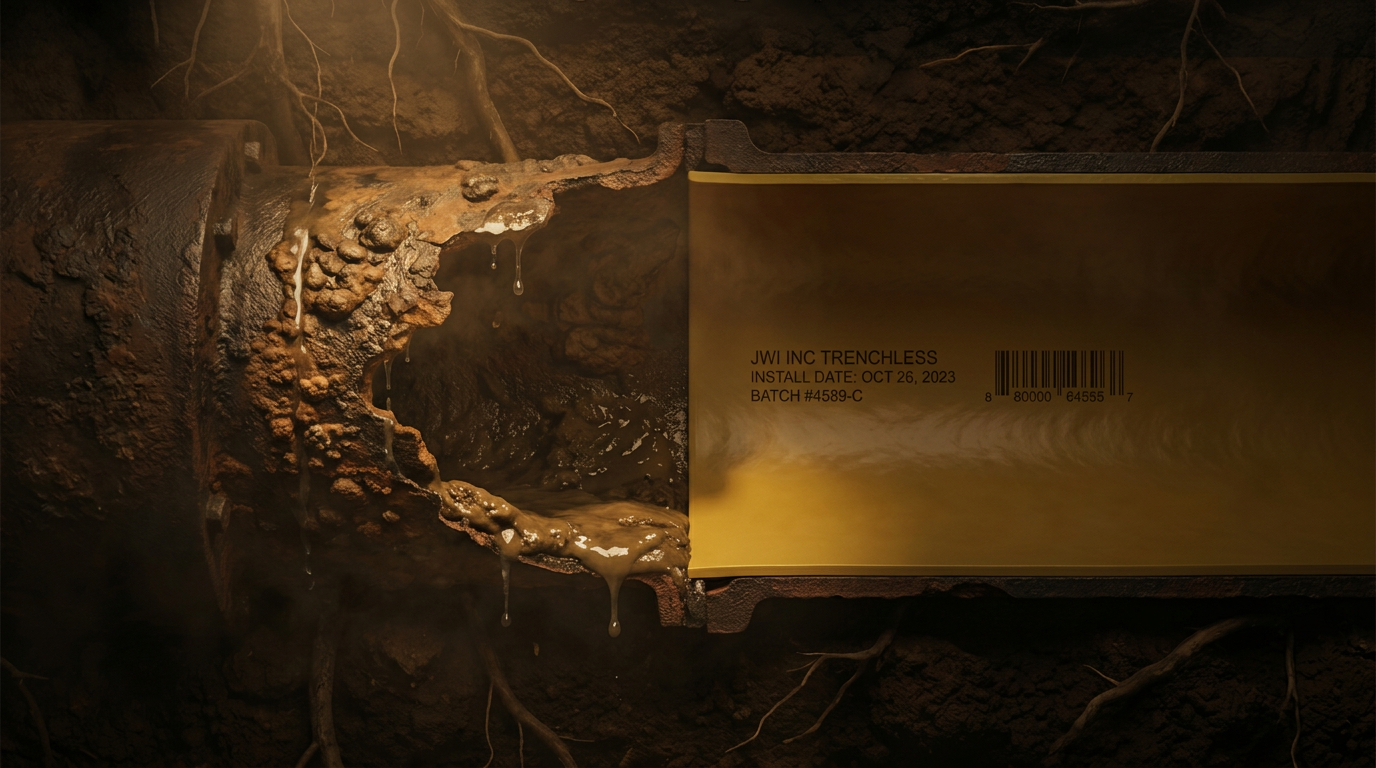
Wet wells, pump stations, and manholes in aggressive service may need grout injection, substrate repair, coatings, or linings depending on whether the primary issue is infiltration, structural deterioration, or chemical exposure. JWI selects systems after reviewing substrate condition, flow, and outage windows.
- Hydrophilic and hydrophobic polyurethane injection for active wet-well and structure infiltration
- Chemical grout injection at joints, cold joints, and pipe penetrations in pump station walls
- Curtain and permeation grouting to reduce groundwater migration toward buried wastewater structures
- Cementitious and polymer-modified concrete repair mortars for spalled and corroded surfaces
- Epoxy and polyurethane protective coatings for effluent-exposed concrete and steel
- Tank and wet-well lining systems selected for chemical resistance and abrasion exposure
- Joint resealing and gasket replacement at water-retaining structure interfaces
- Surface preparation including hydro-demolition, abrasive blasting, and moisture-tolerant primers where specified
- Engineer-directed repair details, lining specifications, and submittal coordination
Where Water and Wastewater Structure Rehabilitation Applies
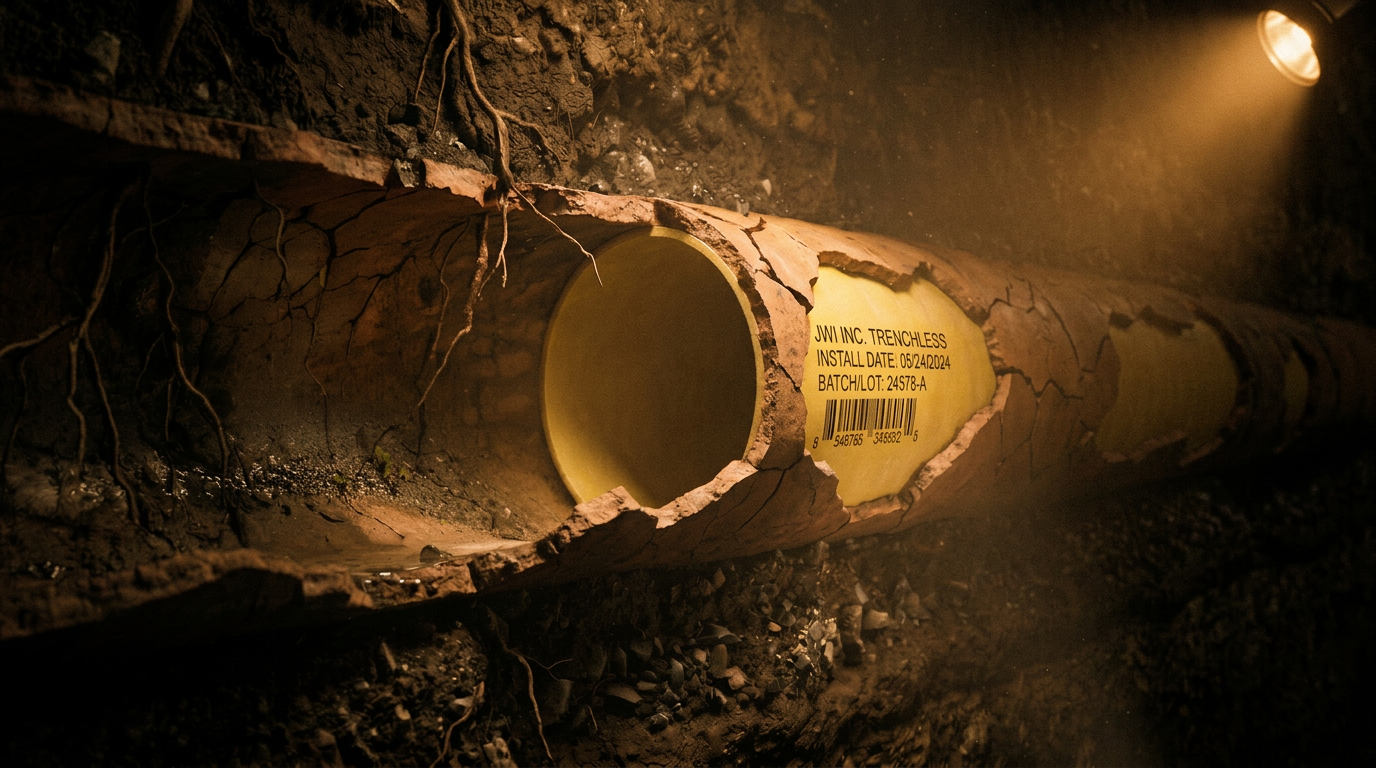
Municipal I&I and asset rehabilitation programs often coordinate with Manhole & Vault Grouting.
- Wastewater treatment plants and headworks
- Pump stations, lift stations, and wet wells
- Dry wells and pump station valve vaults
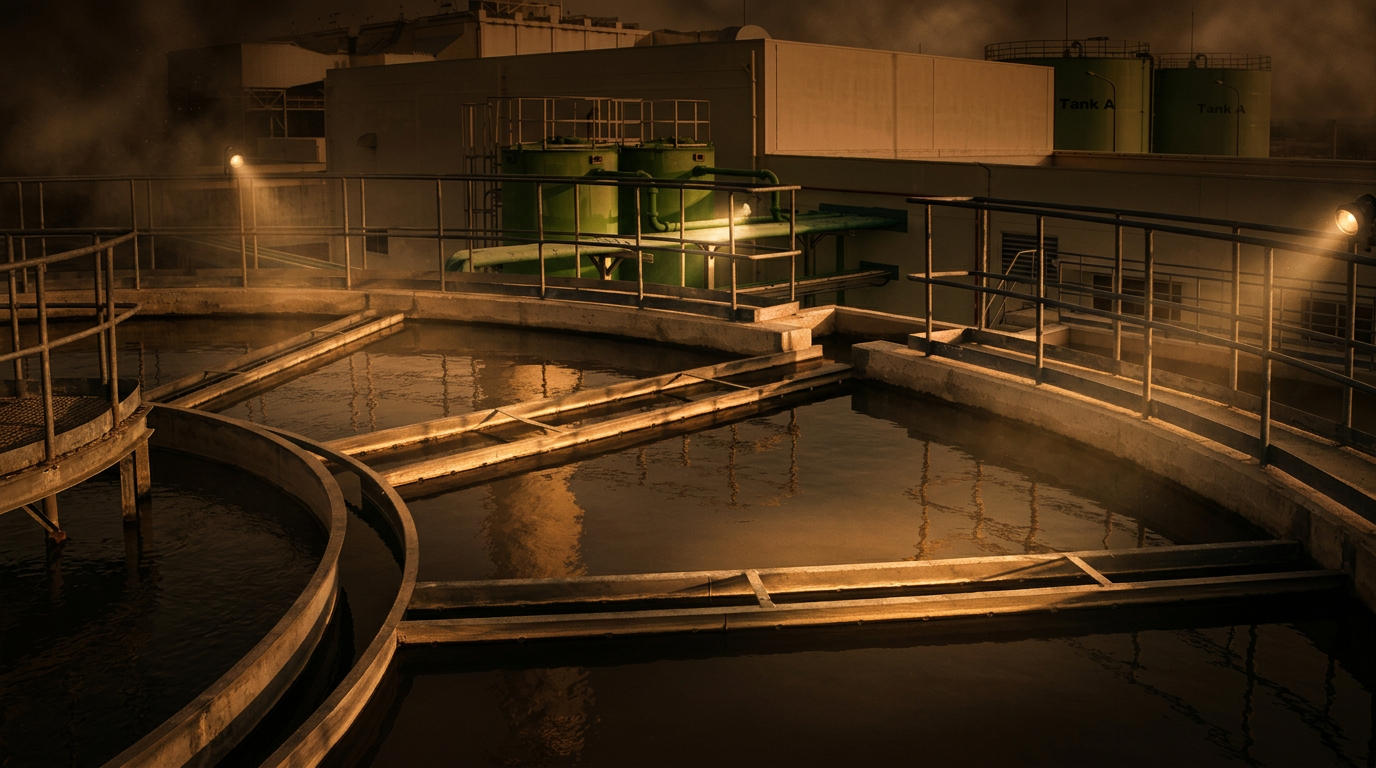
- Clarifiers, aeration basins, and channels
- Storage tanks, digesters, and process vessels
- Effluent troughs and weir structures
- Water treatment clearwells and basins
- Collection system manholes and junction structures
- Outfall and intake structures
- Industrial pretreatment and equalization tanks
- Municipal utility corridors and access chambers
- Force main and surge structure surrounds
Choosing the Right Water/Wastewater Rehabilitation Method
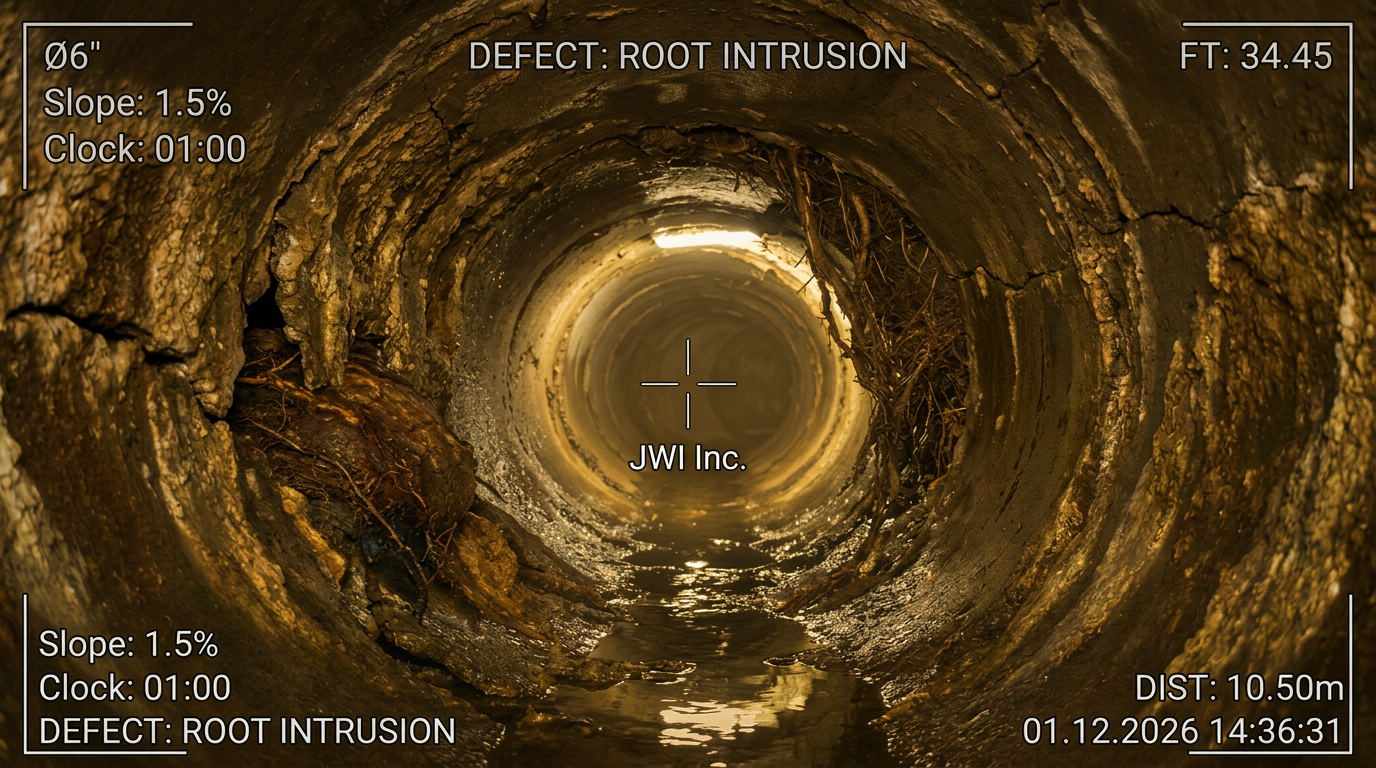
A wet well with active groundwater infiltration and corroded wall surfaces may need grout injection before substrate repair and lining; rehabilitation sequencing depends on whether water paths or effluent attack drives the failure.
Clarifier wall spalling, failed tank linings, and manhole chimney infiltration each call for different grout, repair mortar, and coating systems matched to effluent exposure, submersion, and confined-space access at pump stations and treatment plants.
Water and Wastewater Structure Rehabilitation Process
Review Asset Condition
Assess infiltration, corrosion, spalling, and operational impact; review inspection, CCTV, condition assessment, or engineer reports when provided.
Identify Failure Mechanisms
Determine whether I&I, effluent corrosion, joint failure, lining breakdown, or exterior soil loss drives the rehabilitation need.
Coordinate Operations
Plan bypass pumping, zone shutdown, confined space entry, ventilation, and safety with authority or contractor teams.
Select Rehabilitation Methods
Choose grouting, concrete restoration, coating, lining, or combined approaches sequenced for water paths before surface protection where necessary.
Execute Rehabilitation
Perform work with surface preparation, material placement, environmental controls, and hold points as required by project scope.
Verify Work
Confirm completion against project, visual, or lining manufacturer criteria; coordinate inspection hold points if specified.
Document for Owner
Provide records for asset files, CMOM documentation, funding programs, or project closeout where applicable.
Water and Wastewater Rehabilitation for Municipal and Industrial Structures
We rehabilitate wet wells, pump stations, clarifiers, and process tanks for municipal authorities and treatment plant operators where infiltration, effluent corrosion, and lining failure affect harsh-service assets.
Water and wastewater rehabilitation often combines grouting, concrete repair, and coating installation in sequenced scopes. We provide field contracting coordinated with authority staff and engineers, not hydraulic modeling, I&I studies, or engineering design.
- Wet wells and pump station structures
- Treatment plant process tanks and channels
- Collection system manholes and junction assets
- Infiltration control and I&I-related structure repair
- Corrosion-driven concrete restoration
- Protective coatings and tank linings
- Authority and contractor coordination
- Confined space and bypass safety programs
- Engineer-directed rehabilitation scopes
- Documentation for municipal and utility projects
Serving CT, NY, NJ, PA, and MA Commercial Properties
JWI supports commercial, municipal, industrial, institutional, and infrastructure properties across Connecticut, New York, New Jersey, Pennsylvania, and Massachusetts. Our work is suited for facilities where water intrusion, soil loss, slab movement, voids, concrete deterioration, or below-grade infrastructure failure can disrupt operations, create safety concerns, or increase long-term repair costs.
For water and wastewater structure rehabilitation, this often means addressing infiltration, concrete deterioration, coatings, linings, and harsh service conditions in manholes, wet wells, tanks, pump stations, and treatment structures.
View the service area for CT, NY, NJ, PA, and MA commercial propertiesRelated Technical Systems
Material and field-system reference pages related to this scope. They support buyer education and are not a substitute for site review.
View all technical systemsWater and Wastewater Structure Rehabilitation FAQs
Rehabilitate Harsh-Service Water & Wastewater Assets
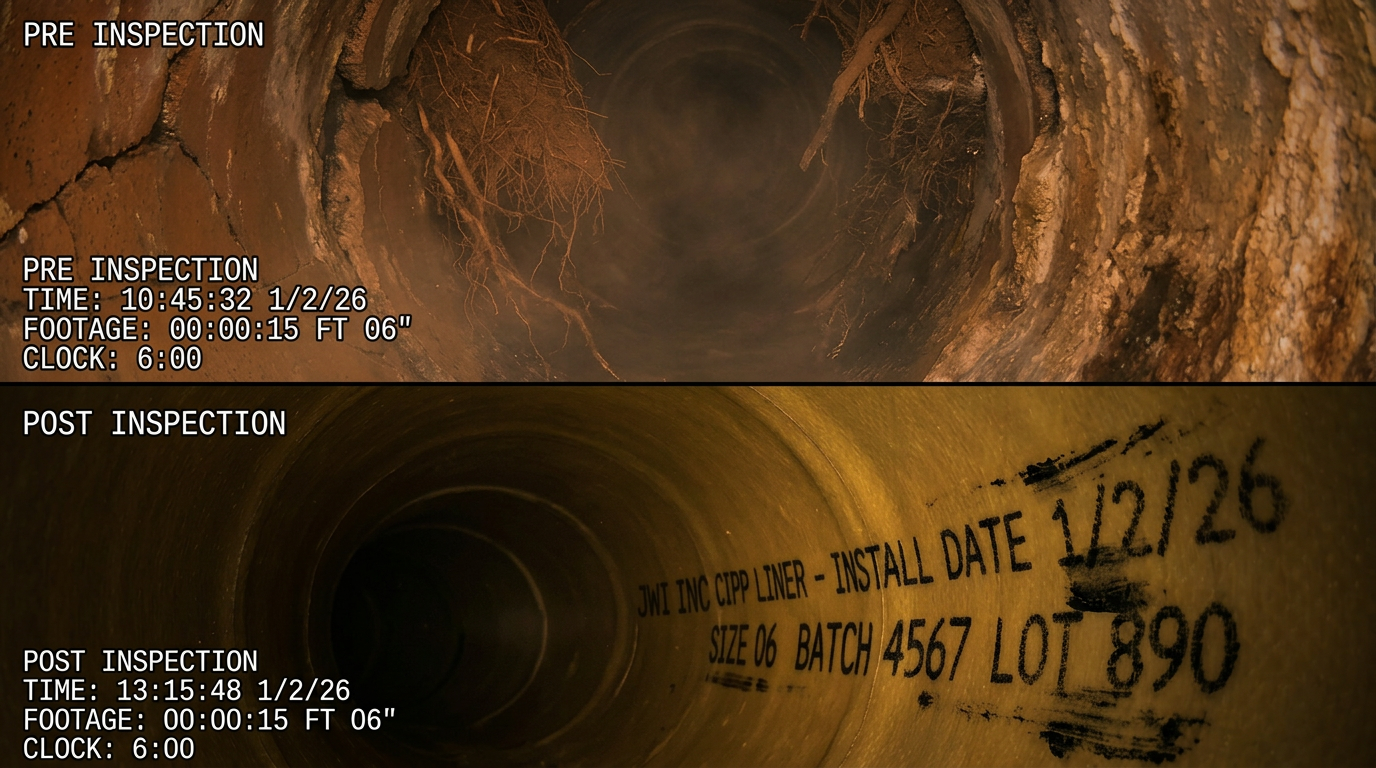
If wet wells, pump stations, tanks, or process structures show infiltration, corrosion, or lining failure, we can review conditions and discuss grouting, restoration, and coating options with your team.
- Authority and structure location
- Asset type: wet well, pump station, tank, or process structure
- Inspection, CCTV, or condition assessment findings
- Photos of infiltration, corrosion, or lining failure
- Operational, bypass, and confined space constraints
- Engineer contact or funding program timeline
Step 1 of 4
Contact