Industrial and Infrastructure Waterproofing
We provide industrial and infrastructure waterproofing, including injection, membrane repair, coatings, and linings for below-grade leakage at manufacturing plants, power-generation sites, wet wells, tanks, and tunnels. Our methods match chemical exposure, hydrostatic pressure, and live-operation constraints at high-consequence facilities across CT, NY, NJ, PA, and MA.
- High-consequence plant areas
- Power & utility infrastructure
- Wastewater & wet wells
- Tanks & containment
- Tunnels & transit structures
- Shutdown-window planning
Specialty field contractor; engineer-directed scopes where applicable; serving CT, NY, NJ, PA, and MA commercial properties.
Request an Industrial Waterproofing Review
Tell us about the facility and leak condition. Our team will review the project and contact you directly.
Specialty field contractor; engineer-directed scopes where applicable; serving CT, NY, NJ, PA, and MA commercial properties.
Industrial Waterproofing Problems in Below-Grade and Infrastructure Environments
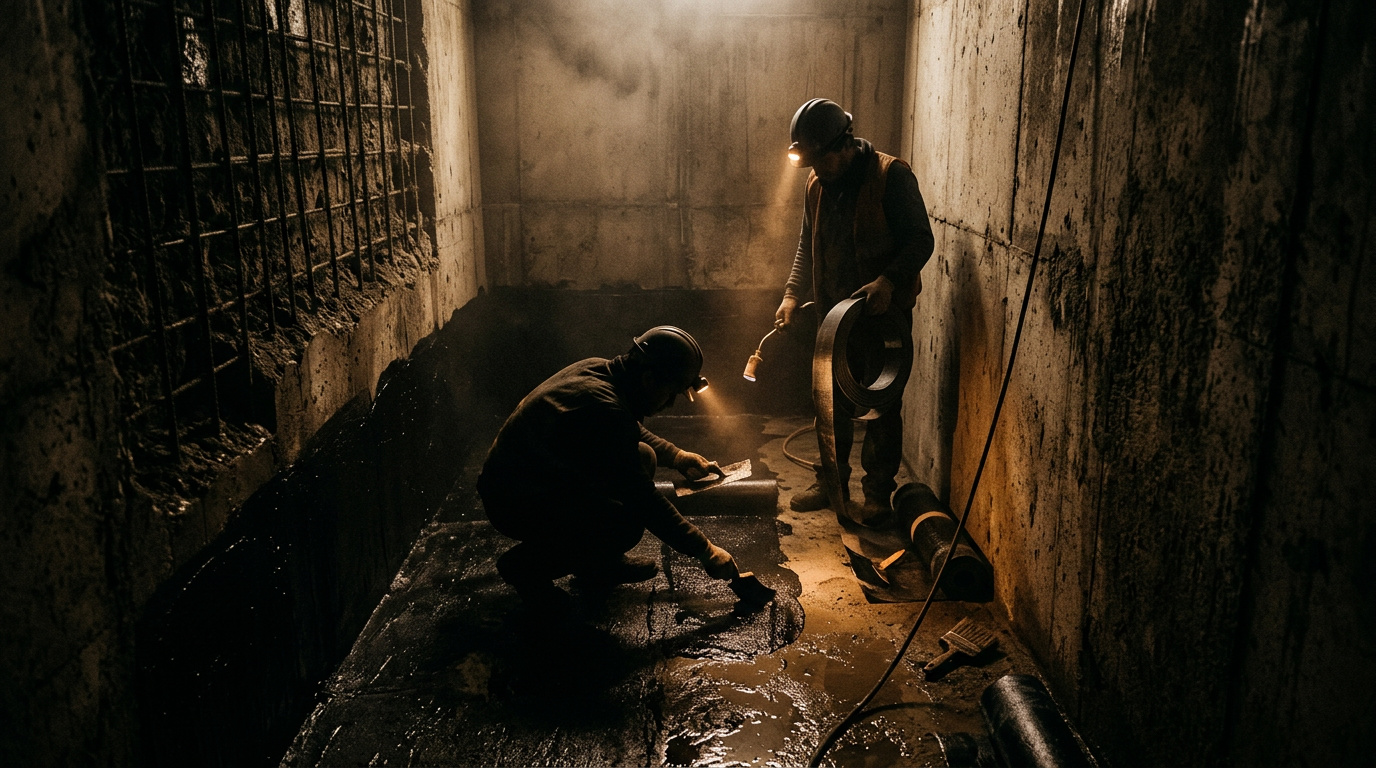
Industrial and infrastructure waterproofing scopes usually involve active groundwater, tank or tunnel leakage, deteriorated below-grade concrete, or utility structures where water intrusion threatens equipment, operations, or long-term asset performance. JWI supports facility and infrastructure teams with injection, coating, and lining approaches matched to service severity and access.
- 01Chronic below-grade leakage at industrial and infrastructure structures
- 02Water intrusion threatening process equipment and electrical rooms
- 03Tank and containment wall infiltration under hydrostatic load
- 04Tunnel, conduit, and gallery water migration
- 05Failed waterproofing membranes, joints, and cold joints
- 06Corrosion-driven deterioration from persistent moisture exposure
- 07Hydrostatic pressure at buried structures and retaining elements
- 08Water paths through plaza decks over critical operational spaces
- 09Leakage requiring repair without extended production shutdown
- 10Prior surface repairs failing under chemical or temperature cycling
- 11Confined-space access complicating leak remediation
- 12Documentation gaps slowing owner approval or project closeout
Industrial Waterproofing for Below-Grade Concrete, Utility, and Infrastructure Conditions
Industrial and infrastructure waterproofing addresses water intrusion in structures where failure can interrupt production, compromise equipment, affect environmental compliance, or accelerate long-term asset deterioration. These are not residential below-grade projects. They involve larger structures, chemical or effluent exposure, confined spaces, live operations, and owner documentation requirements that shape how work is planned, accessed, and executed.
Water enters industrial and infrastructure assets through cracks, joints, penetrations, porous concrete, failed membranes, and groundwater movement, the same mechanisms as commercial buildings, but the service environment is often more demanding. Manufacturing plants, power-generation facilities, wastewater treatment infrastructure, tanks, tunnels, and utility corridors may face chemical exposure, temperature cycling, vibration, sustained hydrostatic pressure, or effluent contact that influence material selection and sequencing.
We do not apply a single waterproofing product across all structures. Injection grouting may stop active leaks in concrete walls or joints. Coatings and linings may protect prepared surfaces in controlled applications. Membrane repairs, joint resealing, and curtain grouting may each play a role depending on access, water pressure, substrate condition, and engineer or owner specifications. Surface treatments without addressing active water paths often fail where pressure and exposure are persistent.
At high-consequence facilities, waterproofing work is coordinated with operations teams, safety departments, engineers, and contractors. Shutdown windows, hot-work or confined-space permits, product compatibility reviews, and field documentation may be part of project planning before any remediation begins. Access paths, staging areas, utility clearances, and return-to-service timing are evaluated alongside the leak condition itself, not treated as afterthoughts.
We provide specialty field contracting services that support owners and engineers with practical remediation, not engineering design, leak-rate guarantees, or regulatory determinations. Those services belong to appropriate licensed professionals when required. In demanding industrial environments where planning, access discipline, safety awareness, and execution quality matter, we align field work with project requirements and operational constraints communicated by the owner and their team.
For manufacturing plants, power-generation sites, wastewater treatment facilities, tanks, tunnels, and municipal infrastructure across the Northeast, practical waterproofing and water-control work may reduce emergency repair cycles and support asset continuity when integrated into broader maintenance and capital planning led by the owner.
When industrial waterproofing is tied to concrete deterioration or wastewater exposure, related work may include Chemical Grout Injection, Concrete Restoration & Coatings, and Joint and Penetration Sealing Systems.
Engineering design, structural determinations, geotechnical engineering opinions, and regulatory interpretations should be provided by the appropriate licensed professionals when required.
Industrial Waterproofing Condition-to-Method Paths
| Condition | Structure or environment | Possible service path | Notes |
|---|---|---|---|
| Active water through a concrete wall or cold joint at an operating plant | Process area, equipment pit, or below-grade industrial wall | Injection grouting with resin selected for water behavior and chemical exposure | Access, hot-work, and operational phasing are planned before mobilization. |
| Containment wall infiltration under sustained hydrostatic load | Storage tank, process tank, or water-retaining element | Injection, joint repair, or membrane remediation depending on failure mode | Substrate condition and product compatibility with stored media may apply. |
| Wet well or pump station leakage affecting operations | Wastewater or utility pump station structure | Injection at cracks and joints; coating or lining where specifications direct | Confined-space entry, bypass, and effluent exposure are evaluated in advance. |
| Groundwater migration behind a buried industrial wall | Foundation, retaining wall, or utility gallery perimeter | Curtain or permeation grouting in soil zone combined with interior cutoff | Used when soil permeability contributes to infiltration, not only surface defects. |
| Failed membrane or joint at a tunnel or transit below-grade element | Tunnel segment, conduit corridor, or transit infrastructure | Joint resealing, injection, or targeted membrane repair | Utility clearance, track or traffic windows, and safety permits shape access. |
| Recurring leak after interior coating or surface patch | Occupied industrial or municipal facility | Pathway-targeted injection or joint remediation behind failed repair zone | Surface treatment without addressing the water path often fails under pressure. |
| Moisture and corrosion at a power-generation or utility below-grade area | Plant basement, gallery, or equipment vault | Water cutoff injection plus protective coating where conditions allow | Electrical clearance, outage windows, and documentation may be required. |
| Leakage at plaza deck or slab over critical operational space | Industrial campus or institutional infrastructure | Injection at deck joints and penetrations; membrane repair at transitions | Occupied spaces below may limit demolition or full membrane replacement. |
Industrial Waterproofing Systems, Injection Materials, Coatings, and Linings
Below-grade industrial waterproofing may require chemical injection, membrane systems, coatings, or linings depending on whether the problem is active infiltration, joint failure, or substrate deterioration in a harsh service environment. JWI does not apply one system type to every tank, tunnel, or utility structure.
- Polyurethane and acrylate injection for active water cutoff through cracks, joints, and penetrations
- Curtain and permeation grouting to reduce groundwater movement toward below-grade structures
- Membrane repair, patching, and joint resealing at failed transitions and penetrations
- Protective coatings and linings for prepared concrete in selected service environments
- Cementitious injection and water-stop systems for joints and construction interfaces
- Surface preparation, contamination removal, and substrate conditioning before application
- Engineer-specified resin, coating, and lining systems with submittal coordination where directed
- Phased execution sequenced around shutdown windows, bypass, and live-work constraints
Where Industrial and Infrastructure Waterproofing Applies
Water control at power, utility, and transportation assets often coordinates with Water & Wastewater Rehabilitation, and Manhole & Vault Grouting.
- Manufacturing and process plants
- Power-generation facilities and utility plants
- Wastewater treatment plants and pump stations
- Wet wells, dry wells, and lift stations
- Storage tanks and containment structures
- Tunnels, transit structures, and conduit corridors
- Utility galleries, trenches, and vault surrounds
- Industrial below-grade construction and equipment pits
- Bridge, dam, and water-retaining infrastructure elements
- Cooling water, intake, and outfall structures
- Chemical storage and handling areas
- Institutional and campus infrastructure assets
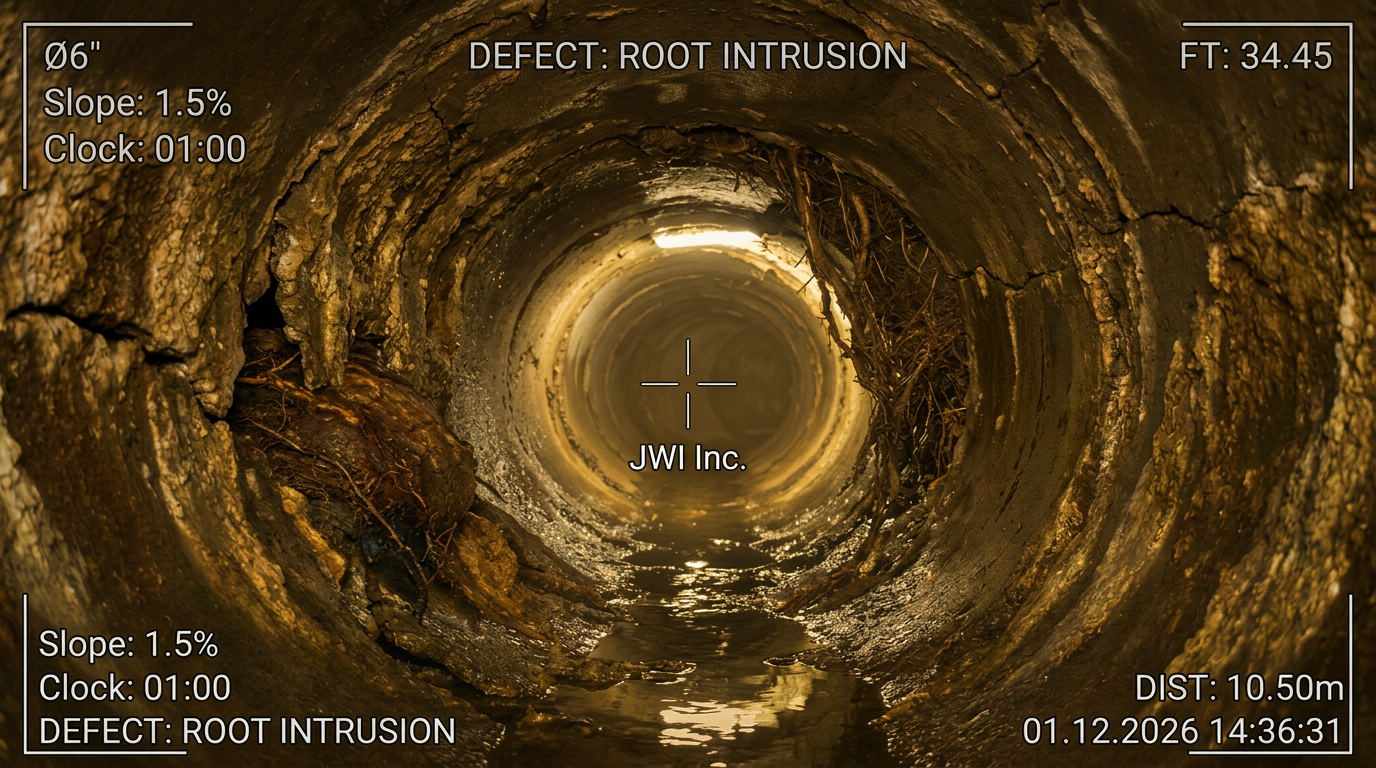
Choosing the Right Industrial Waterproofing System
Plant equipment pits, tank containment walls, tunnel joints, and wet-well cold joints each fail differently under hydrostatic load, effluent exposure, and temperature cycling: industrial waterproofing requires method selection per structure, not residential membrane defaults.
Injection grouting may cut off active flow at a manufacturing below-grade wall, while a failed tank joint may need resealing before a chemical-resistant lining. Shutdown windows, hot-work permits, and product compatibility reviews often determine sequencing as much as the leak condition itself.
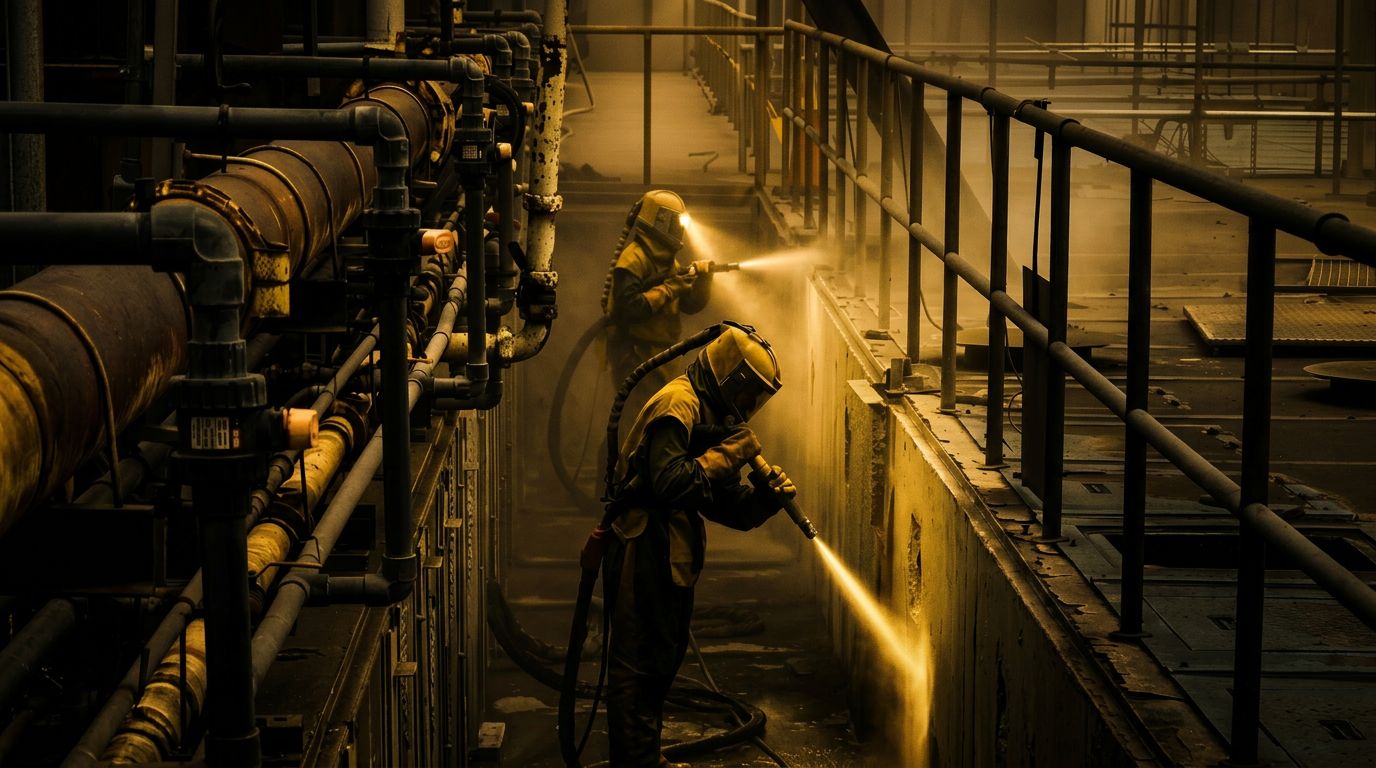
Industrial Waterproofing Field Process
Review Structure & Operations
Assess leak conditions, structure type, service environment, and operational impact; review specs, drawings, and prior repair history when provided.
Identify Water & Substrate Issues
Evaluate entry paths, joint and membrane failures, substrate suitability, and whether soil or hydrostatic conditions contribute to infiltration.
Plan Access & Safety
Coordinate permits, confined-space entry, hot work, utility clearances, shutdowns, and phasing with plant or facility teams.
Select Waterproofing Approach
Choose injection, coating, lining, membrane repair, or combined methods aligned with structure conditions and project requirements.
Prepare & Execute
Perform surface preparation and application with environmental controls, safety protocols, and sequencing suited to live operations.
Verify Work
Confirm completion against agreed visual or project criteria; coordinate inspection hold points when specified.
Document & Turnover
Provide product data, field notes, photos, or submittal closeout information where required by the owner, engineer, or project team.
Industrial Waterproofing for High-Consequence Facility Conditions
We waterproof below-grade structures at manufacturing plants, power-generation facilities, wastewater wet wells, tanks, and tunnels where persistent leakage can threaten process equipment, corrosion exposure, and operational continuity.
Industrial waterproofing demands access discipline, product compatibility review, and phasing around live operations. We provide field remediation coordinated with plant safety teams, engineers, and GCs, not engineering design or regulatory determinations.
- Manufacturing plants and process areas
- Power-generation and utility infrastructure
- Wastewater treatment and pump stations
- Tanks, tunnels, and containment structures
- Occupied and operational facilities
- Coordination with engineers, GCs, and owner teams
- Confined space and site safety planning
- Shutdown, bypass, and outage sequencing
- Product data, SDS, and submittal support
- Field documentation for project closeout
Serving CT, NY, NJ, PA, and MA Commercial Properties
JWI supports commercial, municipal, industrial, institutional, and infrastructure properties across Connecticut, New York, New Jersey, Pennsylvania, and Massachusetts. Our work is suited for facilities where water intrusion, soil loss, slab movement, voids, concrete deterioration, or below-grade infrastructure failure can disrupt operations, create safety concerns, or increase long-term repair costs.
For industrial waterproofing, this often means selecting injection, coating, lining, or restoration methods around access, exposure, shutdown windows, and long-term service conditions.
View the service area for CT, NY, NJ, PA, and MA commercial propertiesRelated Technical Systems
Material and field-system reference pages related to this scope. They support buyer education and are not a substitute for site review.
View all technical systemsIndustrial Waterproofing FAQs
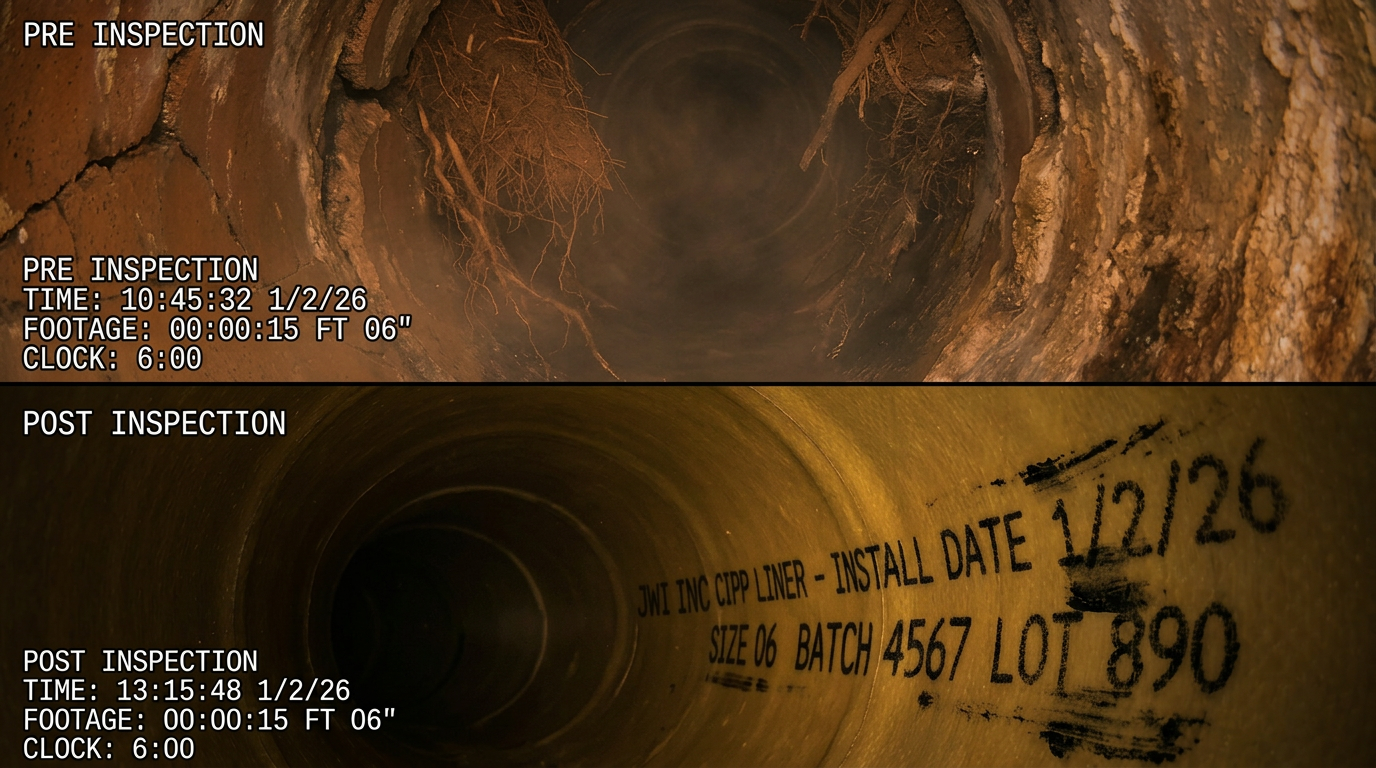
Control Water Intrusion at Industrial Assets
If below-grade leakage is affecting plant operations, utility infrastructure, or water-retaining structures, we can review conditions and discuss waterproofing and water-control options suited to your facility's access, safety, and operational requirements.
- Facility location and structure type
- Leak location and operational impact
- Photos and known exposure conditions
- Engineer specs or drawings if available
- Shutdown, bypass, or live-work constraints
- Safety, permit, or confined-space requirements
- Documentation or submittal expectations