
Concrete Restoration, Coatings, and Linings
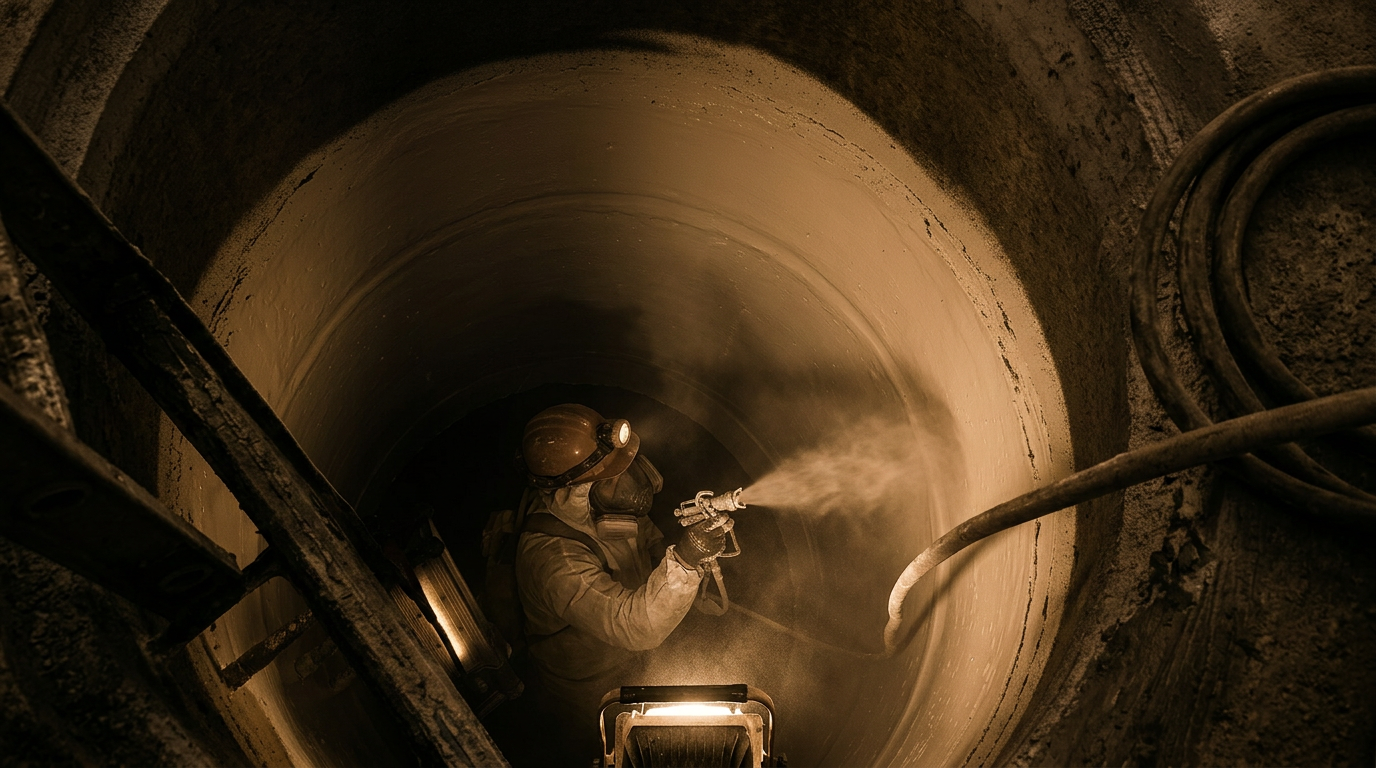
We restore concrete substrates and apply coatings and linings for spalled and deteriorated concrete at wastewater clarifiers, tank interiors, wet wells, and manhole benches. Our surface preparation and exposure-matched linings are suited to harsh effluent and moisture service across CT, NY, NJ, PA, and MA.
- Substrate & spall repair
- Surface prep discipline
- Tank & manhole linings
- Wastewater environments
- Engineer-coordinated scopes
- Harsh service environments
Specialty field contractor; engineer-directed scopes where applicable; serving CT, NY, NJ, PA, and MA commercial properties.
Request a Commercial Assessment
If concrete deterioration, spalling, or coating failure is affecting a wastewater structure, tank, manhole, or infrastructure asset, we can review conditions and discuss substrate repair, surface preparation, and lining options.
Step 1 of 4
Contact
Specialty field contractor; engineer-directed scopes where applicable; serving CT, NY, NJ, PA, and MA commercial properties.
Concrete Restoration, Coating, and Lining Problems in Harsh Service Conditions
Concrete restoration and protective lining work is usually scoped when spalling, aggregate exposure, chemical attack, or failed coatings show up in manholes, tanks, wet wells, or industrial structures, not when a simple cosmetic patch would survive the service environment. We support municipal and industrial teams with substrate repair and protective systems matched to exposure and access.
- 01Spalled and delaminated concrete exposing reinforcement
- 02Failed prior coatings peeling from contaminated substrates
- 03Permeable concrete allowing effluent and chemical ingress
- 04Abrasion and chemical attack on tank and basin interiors
- 05Reinforcement corrosion and cover loss in wet service zones
- 06Inadequate surface preparation causing lining adhesion failure
- 07Joint and crack deterioration in manhole and vault interiors
- 08Freeze-thaw and cycling damage on exposed concrete elements
- 09Efflorescence and leaching indicating persistent moisture movement
- 10Aging water-retaining structures requiring restoration before relining
Concrete Restoration, Surface Preparation, Coatings, and Linings for Deteriorated Structures
Concrete restoration, coatings, and linings address substrate deterioration and protective system failure in structures that must continue serving commercial, industrial, and infrastructure functions. In wastewater plants, storage tanks, manholes, wet wells, and process containment areas, damage often results from chemical exposure, persistent moisture, abrasion, freeze-thaw cycling, or age, accelerated when prior coatings were applied over unsound concrete, active moisture, or inadequately prepared surfaces.
Effective restoration begins with substrate evaluation. Unsound concrete is removed to sound material. Spalls are repaired with cementitious mortars or epoxy-modified repair systems suited to the exposure zone. Corrosion-affected reinforcement may require cleaning and treatment where project specifications direct. Surface preparation, including scarification, abrasive blasting, profiling, and moisture testing, determines whether a coating or lining can bond and perform. Coatings applied over active moisture, oil contamination, or weak substrates commonly fail within months.
Protective coatings and linings may provide chemical resistance, reduced permeability, or abrasion protection depending on product selection, dry film thickness, and application conditions. Cementitious repair mortars, epoxy and polyurethane coatings, novolac or vinyl ester linings, and specialized wastewater lining systems each have roles when specifications, cure windows, and substrate conditions align. Product selection for tank and manhole interiors must account for effluent chemistry, temperature cycling, confined-space ventilation, and return-to-service timing.
Coatings alone do not stop active water movement through a structure. Where infiltration or hydrostatic pressure persists, injection or waterproofing may need to precede or accompany restoration work. We evaluate moisture conditions and sequencing so protective systems are not placed over active leak paths. On some projects, substrate repair, water control, and lining installation are coordinated in a defined order.
We perform field restoration, surface preparation, and coating or lining application coordinated with project teams. Engineer-directed repair details, coating specifications, hold points, and inspection requirements are followed when provided. We provide specialty field contracting services, not structural engineering opinions, coating manufacturer warranties, or regulatory compliance determinations.
For wastewater authorities, tank owners, and infrastructure asset managers across the Northeast, substrate repair and correctly specified protective systems may extend service life and reduce the frequency of emergency reconstruction, especially where shutdown windows are limited and documentation matters for funding or maintenance programs.
When deterioration is accompanied by active infiltration, related work may include Chemical Grout Injection, and Cementitious Repair Materials.
Engineering design, structural determinations, geotechnical engineering opinions, and regulatory interpretations should be provided by the appropriate licensed professionals when required.
Concrete Restoration Condition-to-Method Paths
| Condition | Structure or environment | Possible service path | Notes |
|---|---|---|---|
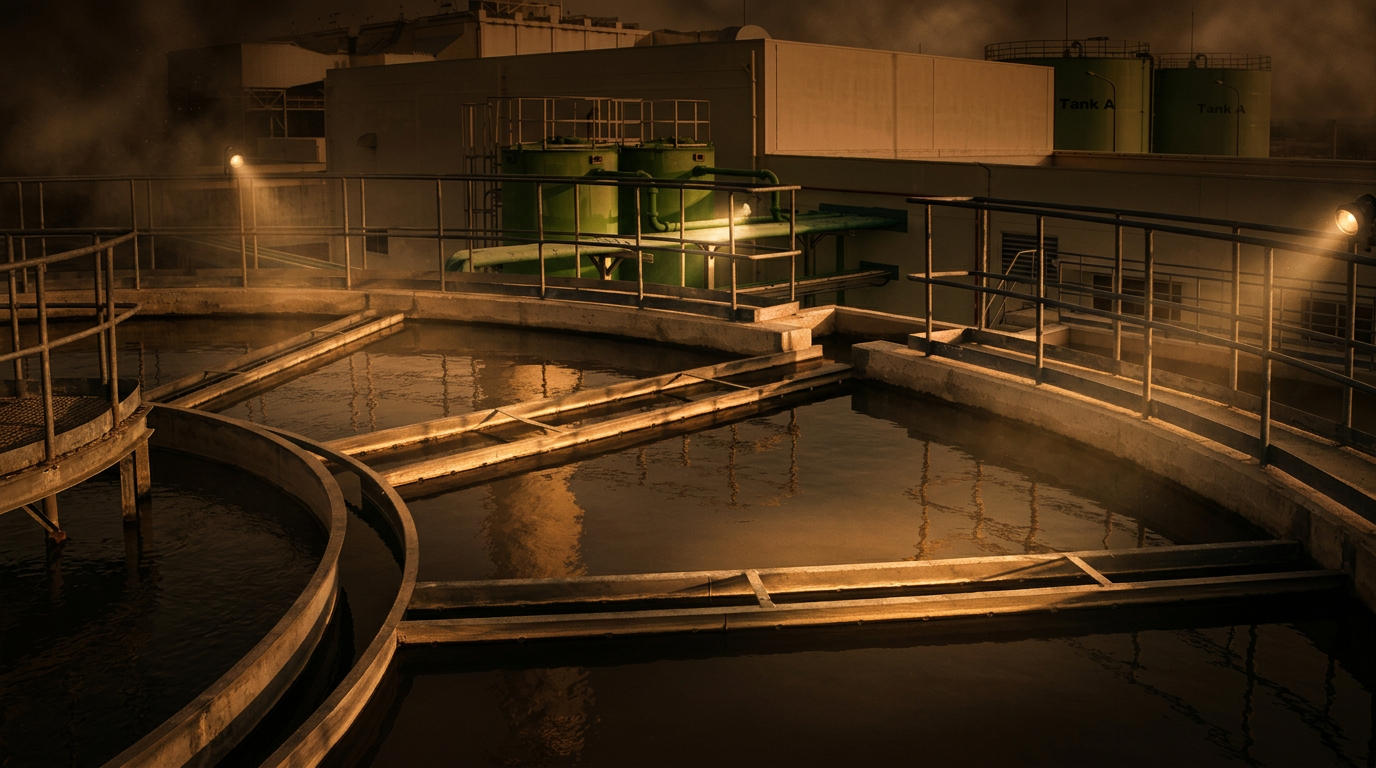
| Spalled concrete with exposed reinforcement in a wet well | Pump station wet well or lift station | Substrate repair with cementitious mortar, then epoxy or polyurethane lining | Active infiltration may need injection before lining; surface must be dry enough for specified system. |
| Peeling epoxy coating on a clarifier wall | Wastewater treatment basin or channel | Coating removal, scarification, substrate repair, and compatible relining system | Prior failure often traces to moisture, contamination, or insufficient surface profile. |
| Abraded and chemically attacked tank interior | Process or storage tank | Abrasive prep, defect repair, and chemical-resistant lining per exposure | Effluent chemistry and temperature cycling drive product selection and cure requirements. |
| Deteriorated manhole bench and interior walls | Sanitary or combined sewer manhole | Concrete repair, surface prep, and protective coating or lining | Confined-space ventilation and live-system access constraints are planned in advance. |
| Delaminated lining with active moisture behind the coating | Below-grade commercial or utility structure | Assess moisture source; address water path if needed, then restoration and recoating | Coating-over-moisture without addressing the water path commonly fails again. |
| Freeze-thaw spalling on exposed infrastructure concrete | Bridge element, culvert, or exterior retaining wall | Remove unsound material, repair substrate, apply weather-resistant protective coating | Exposure zone and UV requirements influence topcoat selection. |
| Joint and crack deterioration in effluent exposure zone | Wastewater channel, trough, or process tank | Joint resealing and compatible coating overlay after substrate preparation | Movement and chemical compatibility between repair and lining materials matter. |
| Aging water-retaining structure requiring full interior restoration | Clearwell, reservoir, or intake structure | Phased substrate repair, surface prep, and specified lining system | Shutdown windows and potable-water or process requirements shape sequencing. |
Concrete Repair Materials, Surface Preparation, Coatings, and Protective Linings
Deteriorated wastewater concrete, tank interiors, and utility structures require compatible repair mortars, surface preparation, and lining systems, not a generic coating over unsound substrate. We select repair and protection materials based on exposure, moisture, and project specifications where provided.
- Removal of unsound concrete and delaminated coating to sound substrate
- Cementitious and polymer-modified repair mortars for spall and defect restoration
- Reinforcement cleaning and corrosion treatment where specifications direct
- Scarification, abrasive blasting, and mechanical profiling for coating adhesion
- Moisture testing and surface contamination assessment before application
- Epoxy, polyurethane, and novolac protective coating systems
- Tank and manhole lining systems for wastewater and chemical exposure
- Joint resealing and crack treatment compatible with overlay coatings
- Engineer-specified products, submittals, and application hold points
Where Concrete Restoration, Coatings, and Linings Apply
Restoration programs at wastewater and utility assets often coordinate with Water & Wastewater Rehabilitation, and Industrial & Infrastructure Waterproofing.
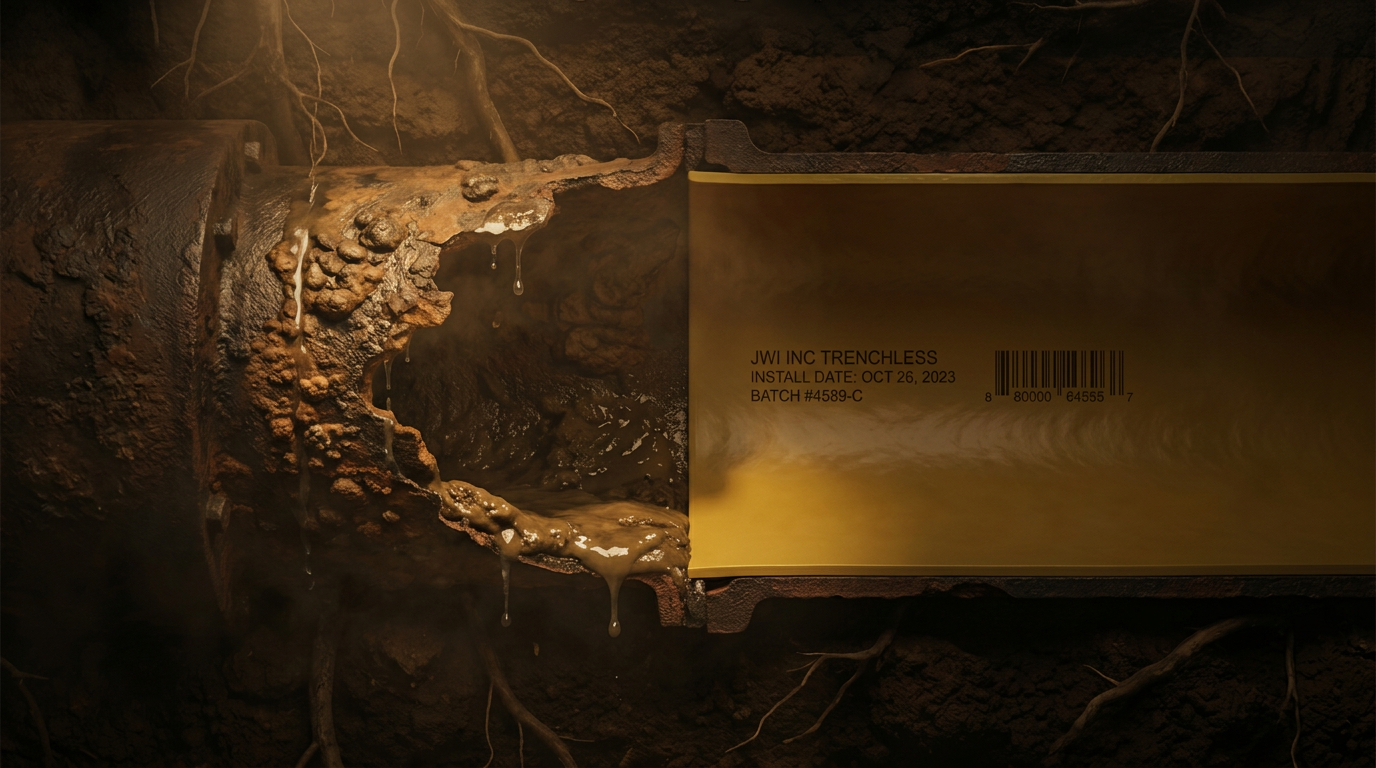
- Wastewater treatment plant clarifiers and basins
- Aeration tanks, channels, and headworks structures
- Storage tanks and process vessel interiors
- Wet wells, dry wells, and pump station structures
- Manhole and vault interior walls and benches
- Industrial containment and chemical process areas
- Below-grade commercial concrete in demanding service
- Water-retaining and intake structure interiors
- Digesters, thickeners, and sludge handling areas
- Bridge and culvert concrete in infrastructure corridors
- Parking structure decks and column restoration zones
- Institutional and campus utility infrastructure
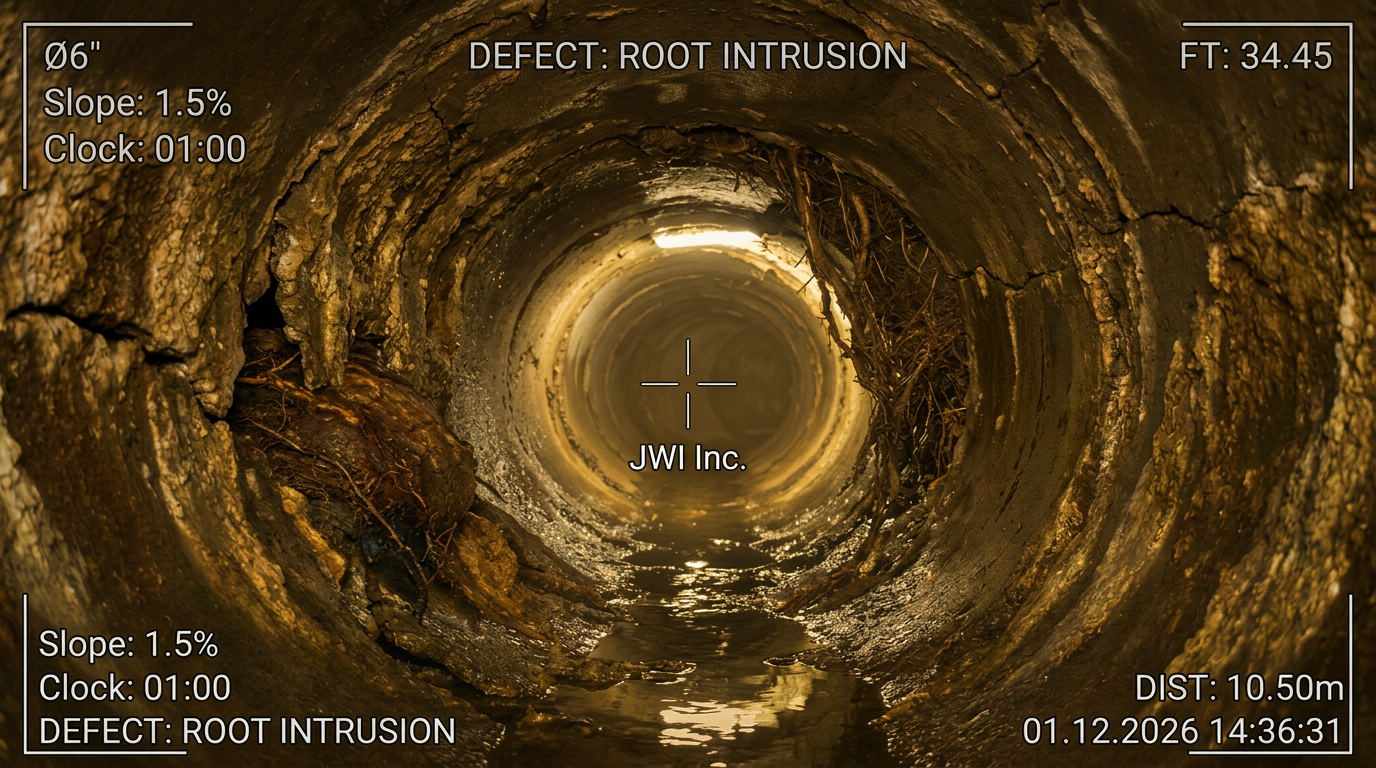
Choosing the Right Coating, Lining, or Concrete Restoration System
Coating failure in a wet well or tank interior usually traces to substrate deterioration, active moisture behind the lining, or inadequate surface profile, not the topcoat product alone.
Spall repair with cementitious mortar, abrasive scarification, and epoxy or polyurethane lining selection each depends on effluent chemistry, confined-space ventilation, and whether infiltration must be controlled before the protective system is applied.
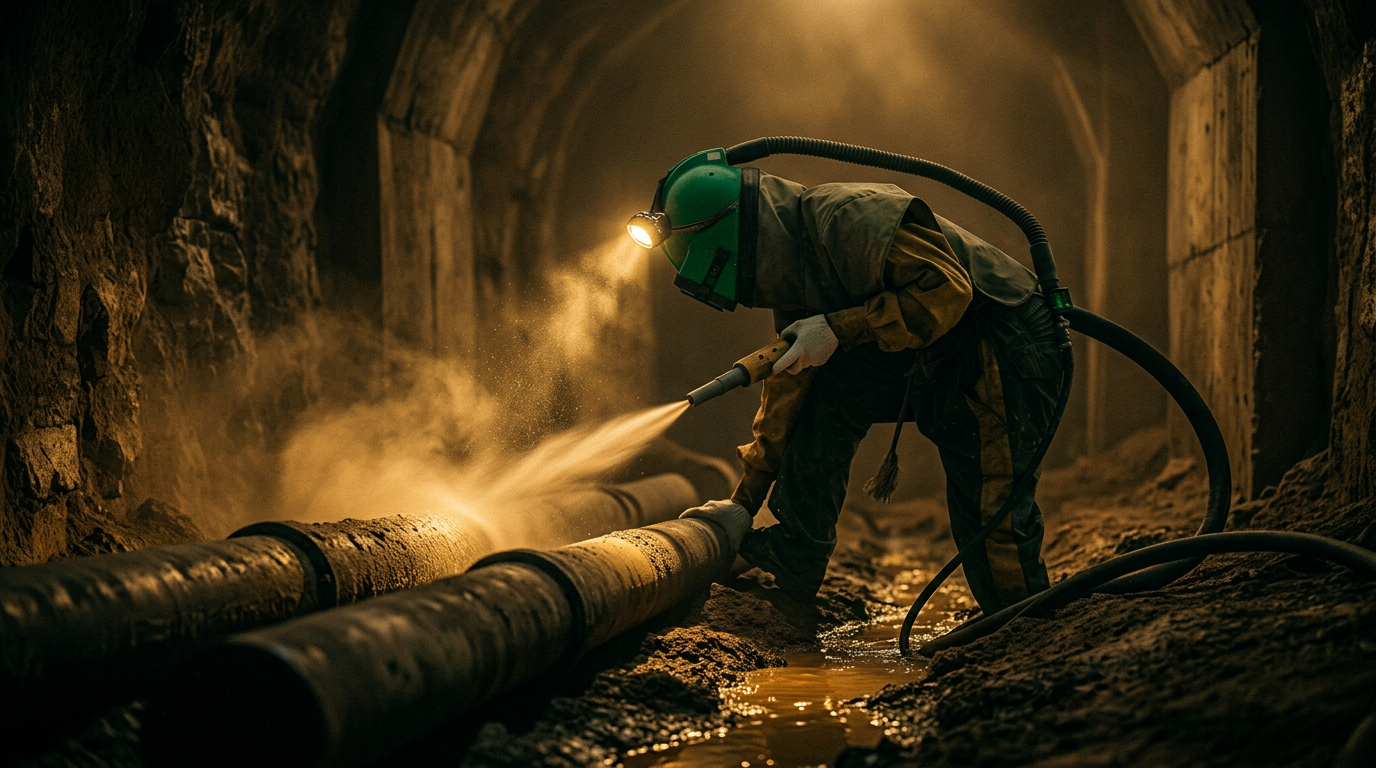
Concrete Restoration, Coating, and Lining Process
Assess Deterioration
Review spalling, delamination, corrosion signs, and prior coating failure; examine specs, drawings, and exposure history when available.
Evaluate Moisture & Exposure
Determine whether active water, effluent chemistry, or contamination must be addressed before substrate repair and lining proceed.
Coordinate Access
Plan confined space entry, ventilation, tank isolation, shutdowns, and safety requirements with facility and operations teams.
Select Repair & Lining System
Choose restoration mortars, surface prep methods, and coating or lining products aligned with exposure and specifications.
Prepare Substrate & Repair
Remove unsound material, execute surface preparation, and place concrete repairs before protective system application.
Apply Coating or Lining
Install specified protective systems at required thickness, with environmental controls and hold points as directed.
Document Turnover
Provide product data, application records, and submittal closeout where required by the owner or engineer.
Concrete Coatings and Linings for Industrial and Wastewater Service Environments
We restore deteriorated concrete and apply protective coatings and linings at wastewater clarifiers, tank interiors, wet wells, and manhole benches where spalling, delamination, and chemical attack accelerate asset deterioration.
Restoration success depends on substrate soundness, moisture control, and exposure-matched lining systems. We perform field repair and application as a specialty contractor, coordinating with engineers and operators when specs, confined-space entry, or shutdown windows apply.
- Wastewater and treatment plant structures
- Tank and containment interior linings
- Manhole and utility vault restoration
- Substrate repair before protective application
- Surface preparation and profile discipline
- Engineer-specified coating and lining scopes
- Confined space and safety planning
- Product data and SDS coordination
- Work during limited shutdown windows
Serving CT, NY, NJ, PA, and MA Commercial Properties
JWI supports commercial, municipal, industrial, institutional, and infrastructure properties across Connecticut, New York, New Jersey, Pennsylvania, and Massachusetts. Our work is suited for facilities where water intrusion, soil loss, slab movement, voids, concrete deterioration, or below-grade infrastructure failure can disrupt operations, create safety concerns, or increase long-term repair costs.
For concrete restoration, coatings, and linings, this often means preparing deteriorated substrates and applying protective systems suited to the structure's exposure and use.
View the service area for CT, NY, NJ, PA, and MA commercial propertiesRelated Technical Systems
Material and field-system reference pages related to this scope. They support buyer education and are not a substitute for site review.
View all technical systemsConcrete Restoration, Coatings, and Linings FAQs
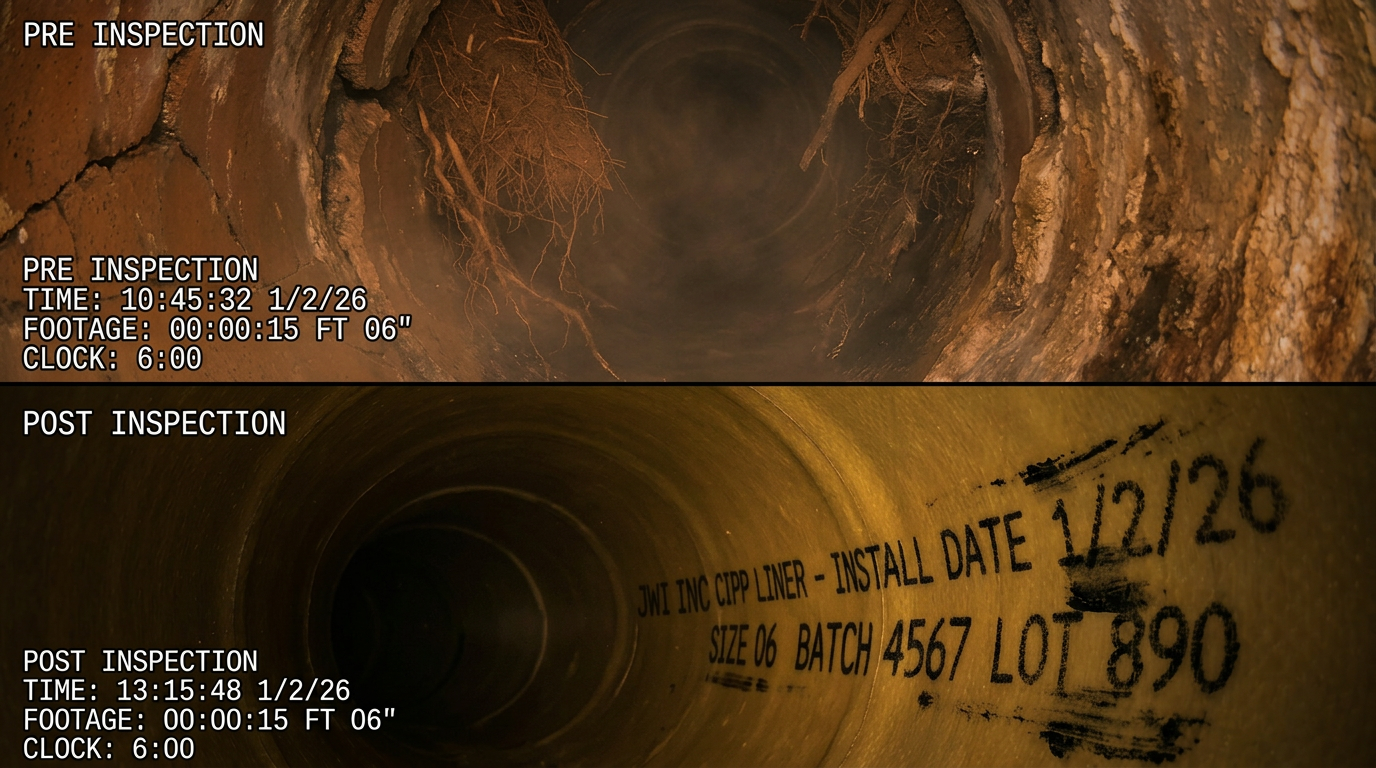
Restore Substrates and Protect Critical Concrete
If concrete deterioration, spalling, or coating failure is affecting a wastewater structure, tank, manhole, or infrastructure asset, we can review conditions and discuss substrate repair, surface preparation, and lining options.
- Structure type and location
- Photos of spalling, delamination, or coating failure
- Known chemical, effluent, or moisture exposure
- Engineer specs or coating/lining details if available
- Shutdown, bypass, or operational constraints
- Project timeline or bid date
Step 1 of 4
Contact