
We plan commercial sewer repair around your pipe's condition.
A recurring backup or damaged sewer main needs more than another clearing. We review the affected line, CCTV findings and access before discussing localized repairs or CIPP where the pipe is suitable.
- CCTV-informed repair planning
- Localized defect review
- CIPP where the pipe is suitable
- Shared-building line assessment
- Access and bypass coordination
- Connection reinstatement planning
Specialty field contractor for commercial, municipal, industrial and institutional properties. Engineer-directed where applicable. Serving CT, NY, NJ, PA, and MA.
Your recurring sewer problem needs a closer look.
The sections below explain how JWI handles repeat backups, visible defects and limited pipe access.
- Your building's main sewer backs up after repeated cleaning.
- CCTV shows roots entering through damaged joints.
- Corrosion or cracks remain after buildup is removed.
- Several floors or tenant areas share the affected sewer line.
- A previous spot repair has not resolved the recurring problem.
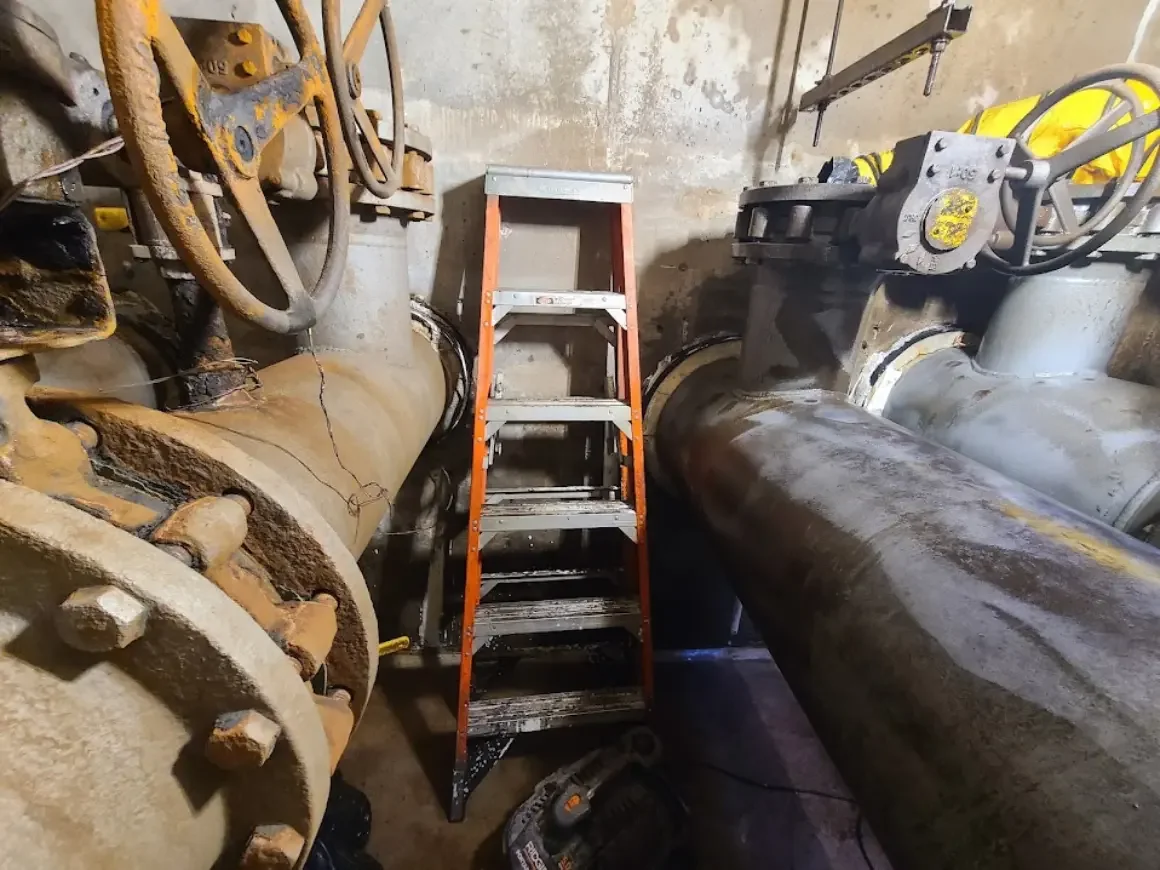
- Pipe damage lies beneath a slab, paved area or active facility access.
How we handle damaged and repeatedly blocked sewer lines.
A cleared blockage and a repaired pipe are different outcomes. We review the line condition and access before defining the work.
When you see this
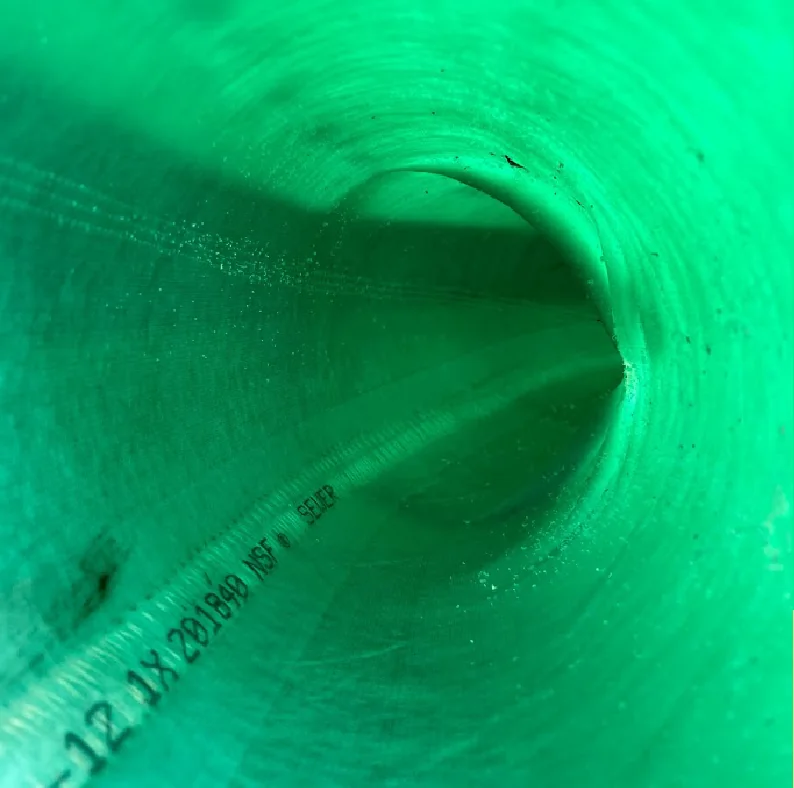
A shared building sewer keeps backing up.
JWI handles this by reviewing affected drains, cleaning history and CCTV to distinguish an obstruction from visible pipe damage.
- Affected-line review
- Cleaning assessment
- CCTV review
When you see this
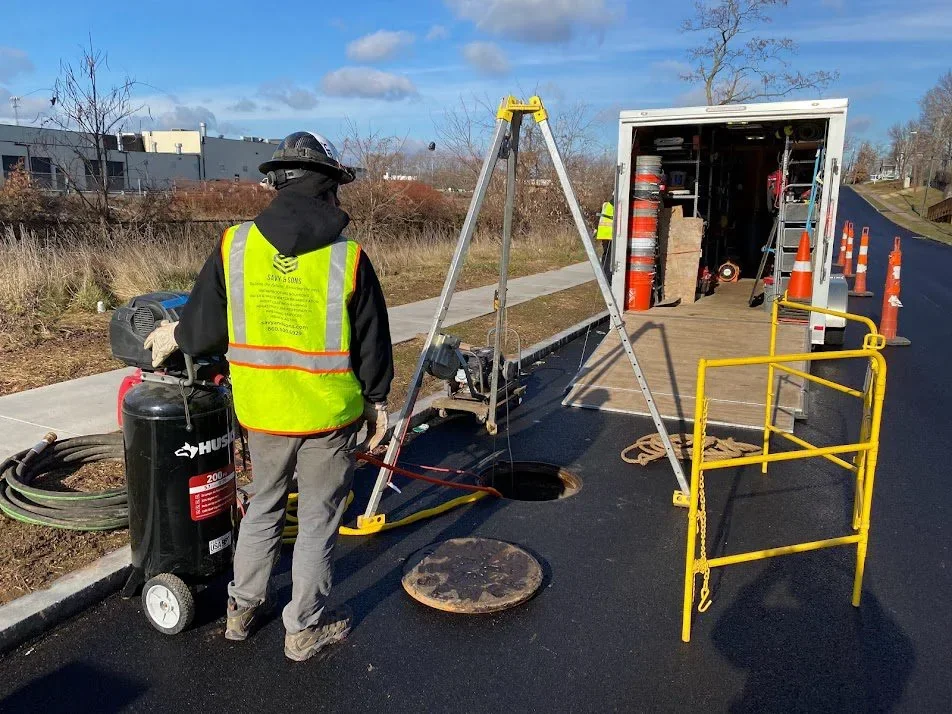
Roots return through a damaged joint.
JWI handles this by reviewing the root-entry path and surrounding pipe for suitable localized repair or CIPP after cleaning.
- Joint review
- Line preparation
- Repair suitability
When you see this
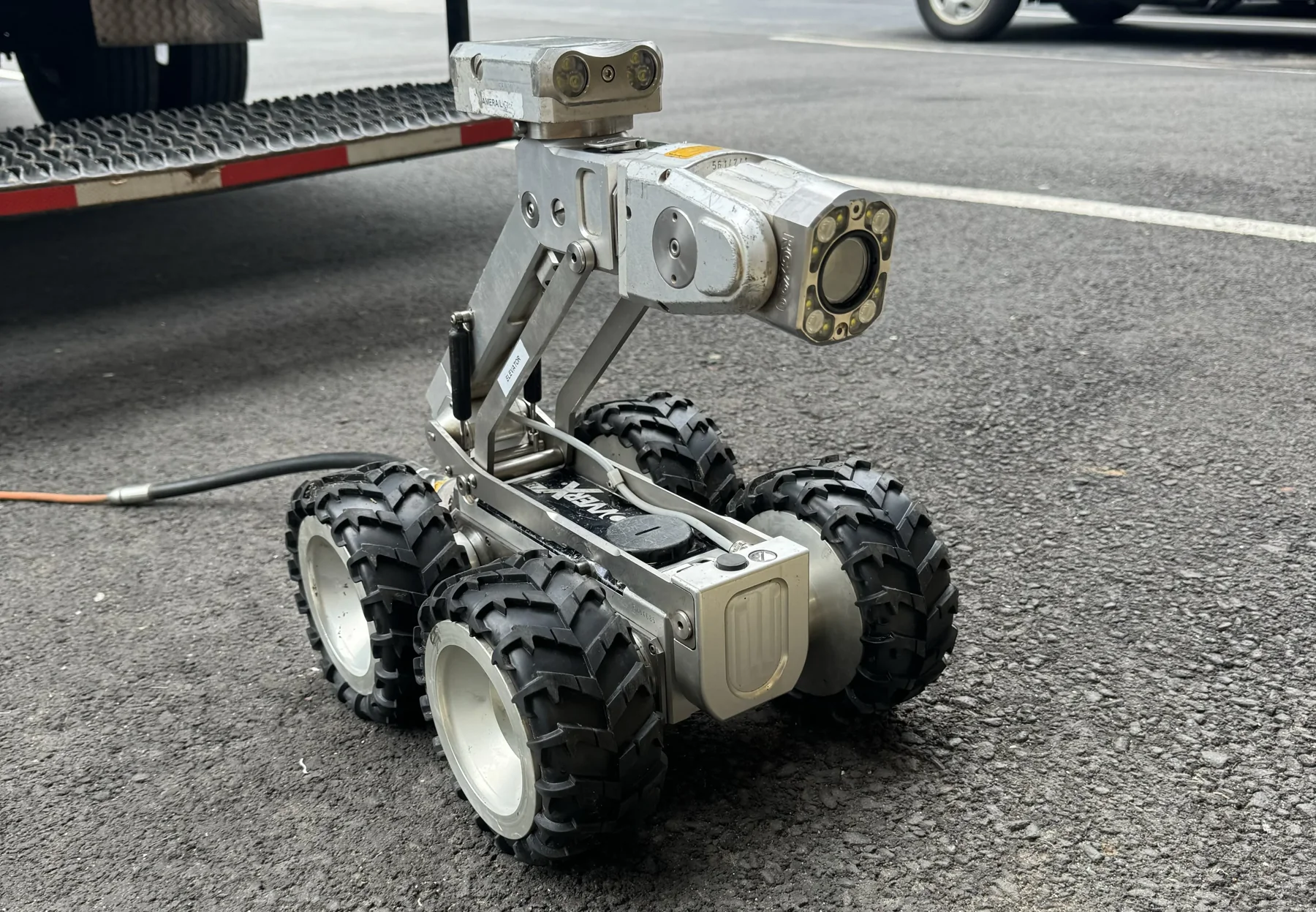
Pipe corrosion remains after descaling.
JWI handles this by reviewing the exposed interior, remaining geometry and service connections before proposing lining or targeted work.
- Condition review
- Geometry check
- CIPP assessment
When you see this
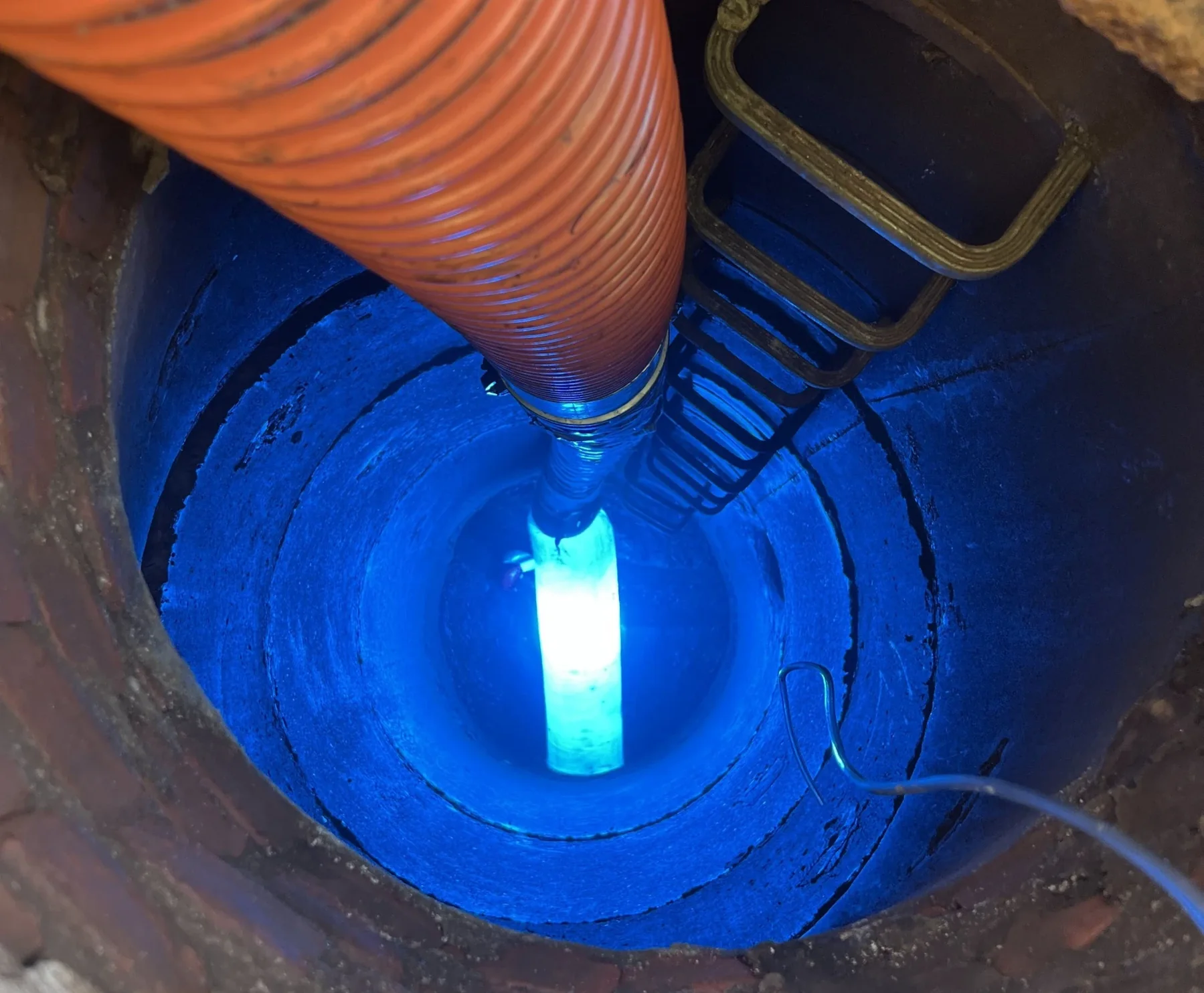
The damaged line runs beneath an occupied building.
JWI handles this by reviewing access points, bends and connections with the facility team before planning equipment entry and flow isolation.
- Access planning
- Connection review
- Flow coordination
When you see this
CCTV shows collapse or a severe offset.
JWI handles this by identifying the lining limit and reviewing the affected segment with the owner and engineer before a repair scope is selected.
- Defect review
- Scope limits
- Owner coordination

Contact JWI
Show us what is happening in your sewer line.
Send the affected building areas, backup history, CCTV findings and access details for review.
Specialty field contracting for commercial, municipal, and infrastructure properties.
Jump to project inquiry formWe define commercial sewer main repair from the inspection findings.
Commercial sewer main repair starts with the affected line and the condition seen inside it. A backup can involve an obstruction, a pipe defect or both. JWI reviews the line location, symptoms, available CCTV and earlier work before discussing a defined repair scope. Clearing a blockage can expose damage that cleaning alone does not address.
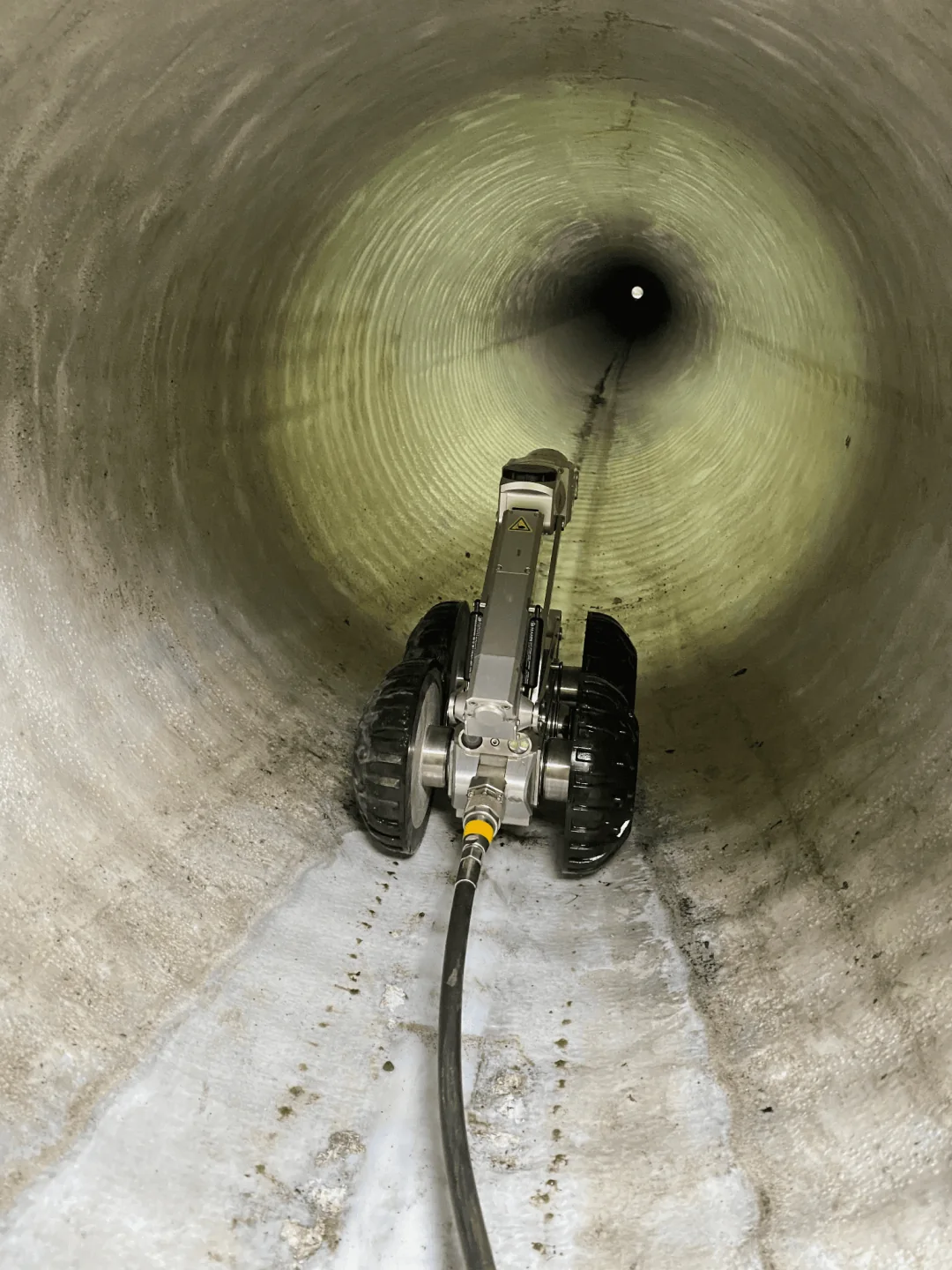
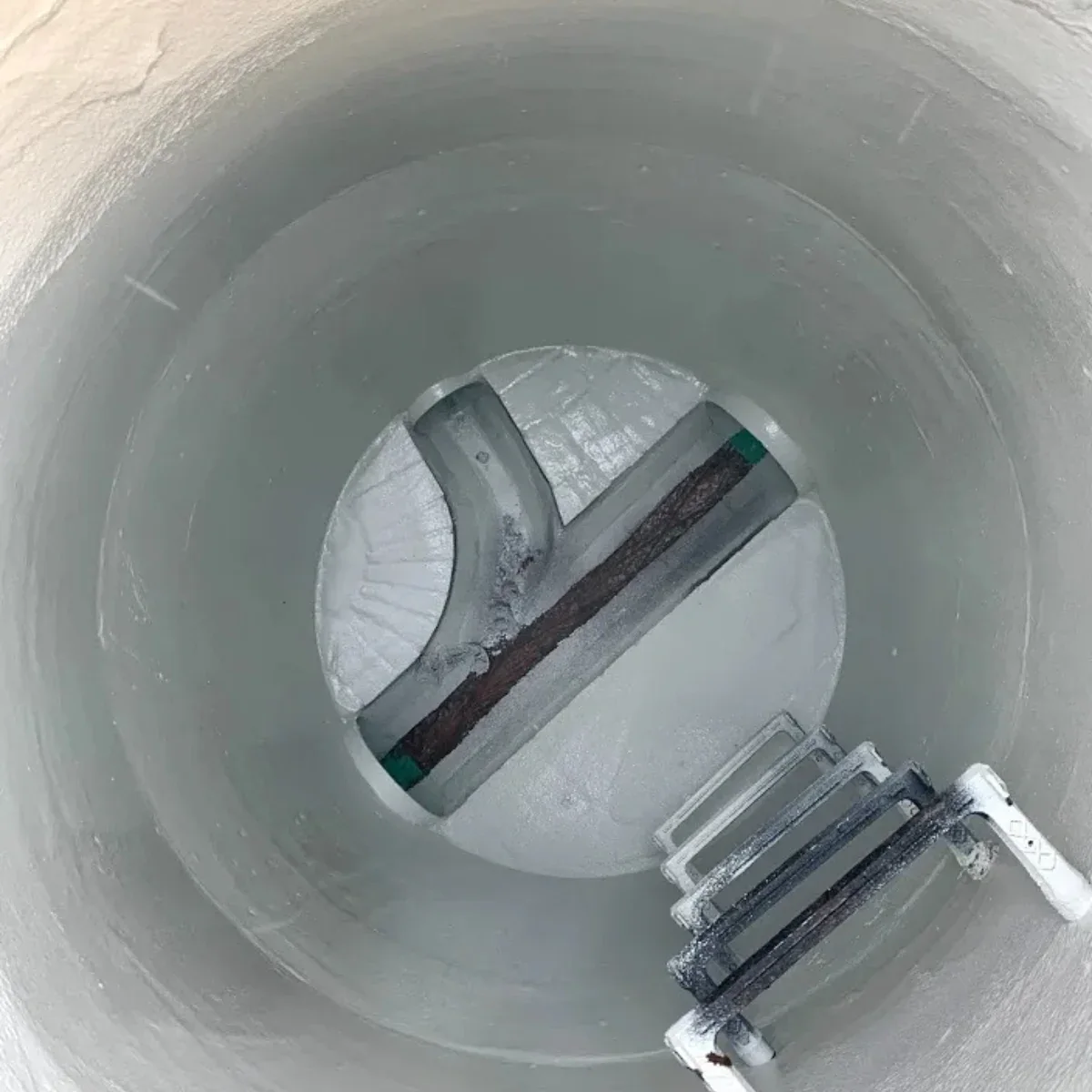
Inspection findings guide localized repair or cured-in-place pipe (CIPP) lining where suitable. A discrete defect may call for targeted work; a longer deteriorated segment may support lining if its geometry, connections and access allow installation. The review includes pipe diameter, material, bends, offsets, active flows and the condition of previous repairs. A collapsed line or severe offset can put the pipe outside lining limits.
Field planning also needs a way to reach the work. We review cleanouts, manholes, access points, possible localized excavation and bypass or flow-control requirements with the owner and project team. Occupied buildings may require coordination around tenant access, equipment and shutdown windows. Those constraints shape the repair sequence before work begins.
Send the damaged main's location, CCTV footage or report, access photos and a description of the affected building areas. If the condition is beyond the documented lining or localized repair scope, it needs further review with the owner and engineer. This inquiry gathers information for repair planning; it does not confirm a dispatch time.
Commercial Sewer Camera Inspection, and Commercial CIPP and Trenchless Rehabilitation.
Engineering design, structural determinations, geotechnical engineering opinions, and regulatory interpretations should be provided by the appropriate licensed professionals when required.
We connect the observed defect with a suitable repair path.
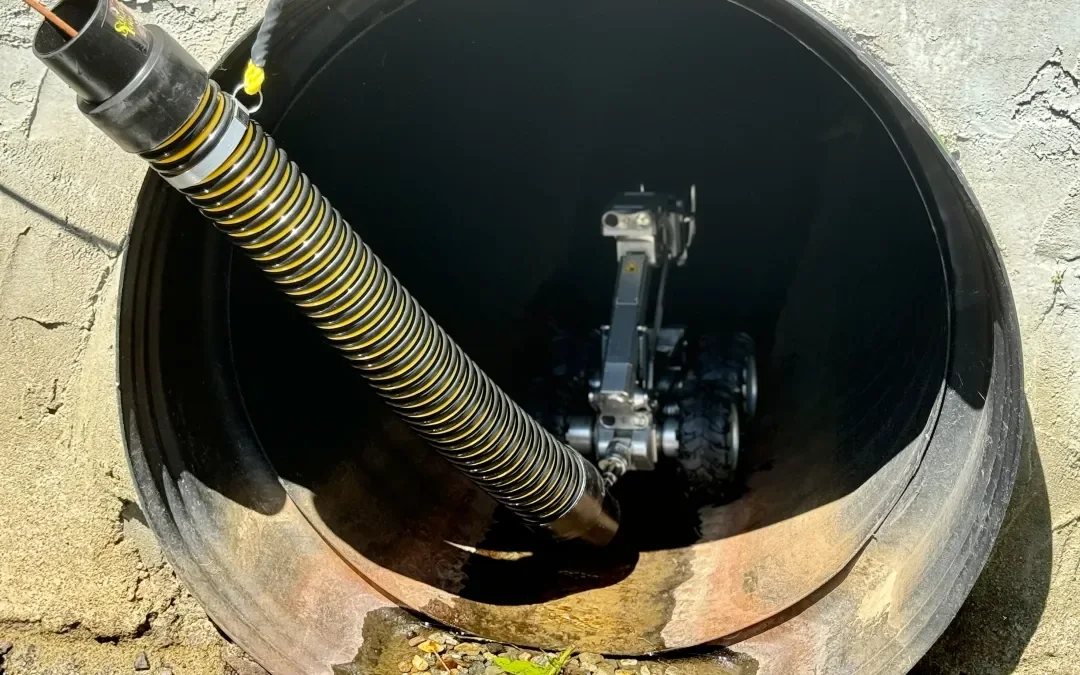
| Condition | Structure or environment | Possible service path | Notes |
|---|---|---|---|
| A shared building sewer repeatedly backs up. | Condo, apartment or hotel property | Review affected drains and CCTV to separate a cleaning need from visible pipe damage. | Backup history and previous cleaning results help define the next step. |
| Roots return at a damaged joint. | Clay or cast iron sewer segment | Review cleaning and the joint defect for localized repair or suitable lining. | Removing roots does not by itself repair the entry path. |
| Corrosion remains after scale is removed. | Commercial or industrial sanitary line | Review the exposed pipe condition before selecting CIPP or targeted repair. | Remaining geometry, access and service exposure affect feasibility. |
| A line below a slab has a documented defect. | Occupied commercial building | Compare reachable localized work with lining suitability for the affected run. | Bends, connections and equipment access determine the practical scope. |
| CCTV shows collapse or a severe offset. | Building lateral or collection main | Review the damage and lining limits with the owner and engineer before selecting work. | CIPP cannot be assumed suitable for a collapsed or inaccessible segment. |
We select the work after reviewing the pipe and its access.
Cleaning can prepare an accessible pipe for review, but it does not repair a failed joint or missing pipe material. We use the observed condition, geometry and connections to discuss suitable localized work or CIPP.
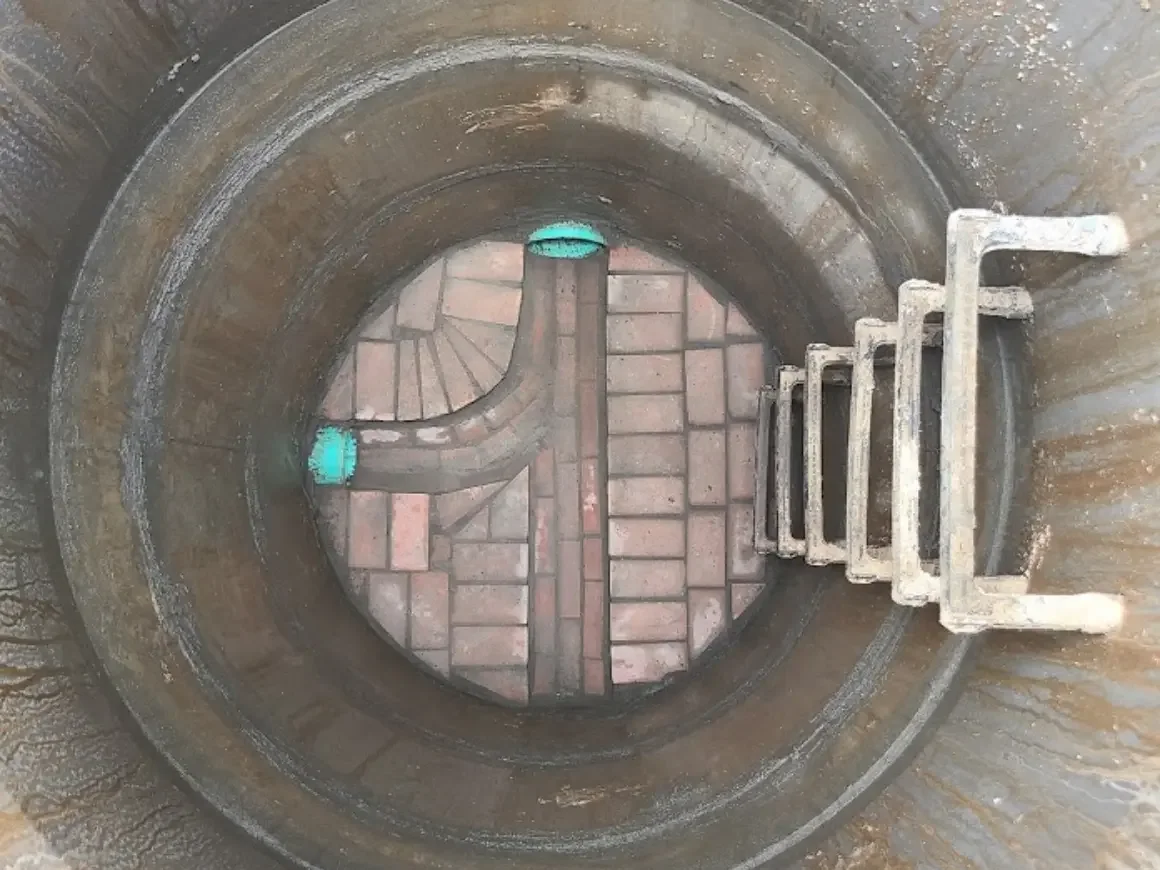
- CCTV and inspection review to locate visible defects and assess pipe geometry.
- Condition-appropriate hydro jetting, cleaning and descaling before repair assessment.
- Localized spot repair and connection work where inspection findings support the scope.
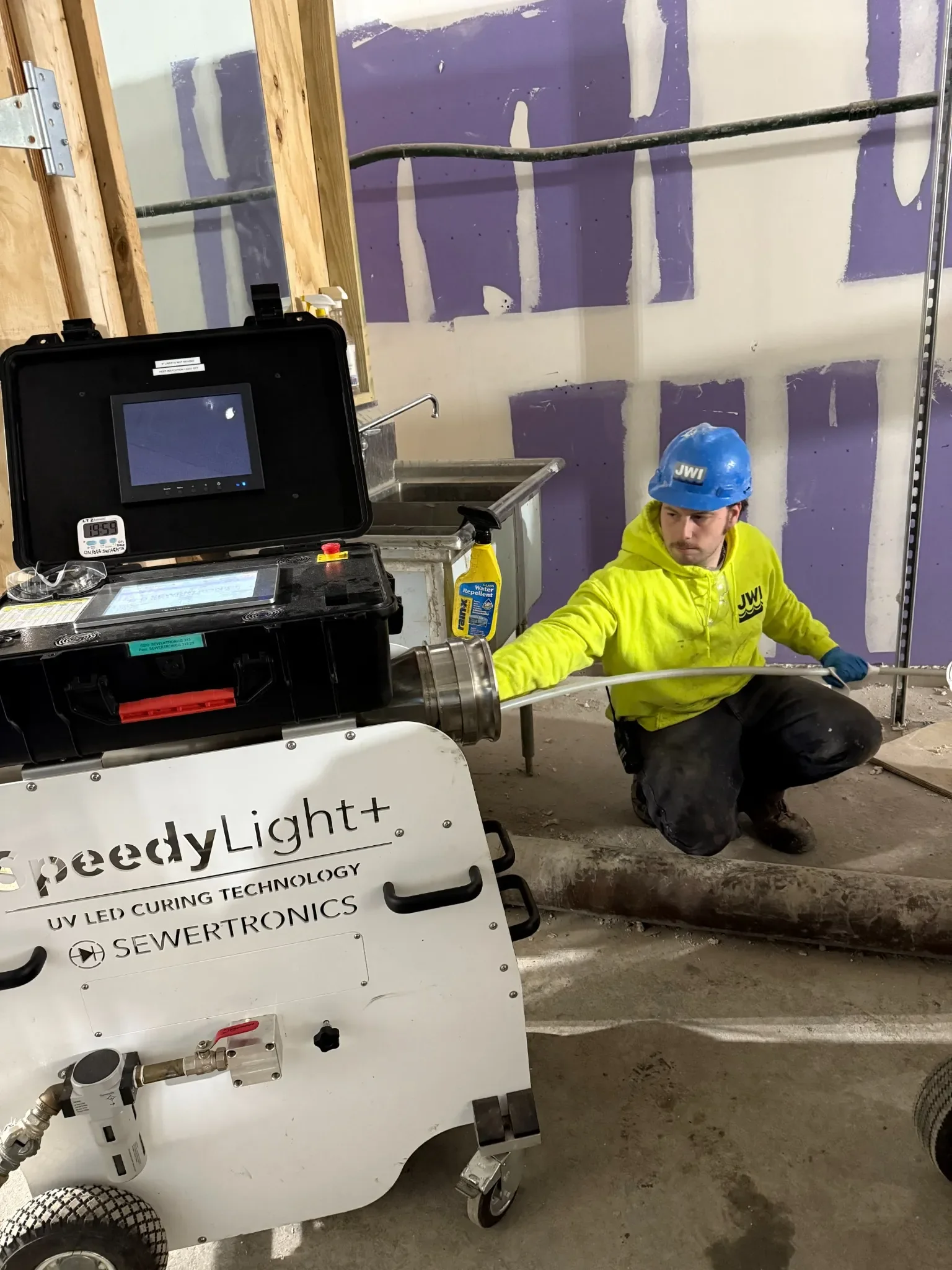
- CIPP lining with system and cure selection governed by pipe condition and project requirements.
- Lateral and service-opening reinstatement where required after lining.
- Access, bypass and flow-management coordination with the owner and project team.
We coordinate sewer work around the property it serves.
- Commercial building sewer mains and laterals
- Condo and apartment shared sewer lines
- Hotel and institutional building connections
- Industrial sanitary sewer segments
- Municipal collection mains
- Campus and mixed-use property sewer systems
We review commercial sewer backup repair beyond the cleared blockage.
Commercial sewer backup repair starts with which drains and building areas are affected. A blockage in one branch differs from a backup along a shared main serving several floors or tenants. Condo and hotel property teams can help by documenting where water backed up, when it happened and what previous cleaning found.
Commercial sewer backup service may involve cleaning a suitable line, then reviewing the remaining pipe condition. Recurring root entry, leaking joints, corrosion or displaced sections can require a repair review beyond the cleared obstruction. JWI uses affected-line information, access and CCTV to discuss cleaning, localized repairs or CIPP where feasible. Building use and flow-isolation needs guide coordination; sewage cleanup and building remediation are outside this page's scope.
Details that affect the repair scope
- Affected drains, floors and tenant areas
- Backup frequency and previous cleaning results
- Pipe material, diameter, length and bends
- CCTV visibility and observed defect locations
- Offsets, collapse and remaining pipe geometry
- Cleanout, manhole and equipment access
- Flow isolation, bypass and shutdown needs
- Branch and lateral connection locations
- Prior liners, patches and repairs
- Owner and engineer requirements for verification
We move from the reported condition to a defined field scope.
- 01
We review the affected line.
Identify the location, symptoms, backup history, available CCTV and previous work.
- 02
We check what the inspection can show.
Review visibility, pipe geometry and defects, including whether cleaning is needed before further assessment.
- 03
We define the repair options.
Discuss localized work or CIPP where suitable, and identify conditions that need owner or engineer review.
- 04
We coordinate access and flows.
Plan equipment entry, connection work, flow control and operating constraints with the project team.
- 05
We carry out the selected scope.
Prepare the line and perform the agreed repair or lining work according to the project requirements.
- 06
We review and record the work.
Check the repaired segment and affected connections, then provide the required field records for the owner's file.
We plan commercial sewer line repair around pipe defects and connections.
Commercial sewer line repair depends on the defect and the pipe around it. Clay joints can admit roots or groundwater; cast iron lines can show corrosion and scale. Cleaning helps expose the interior, but commercial sewer pipe repair needs a review of the remaining geometry and material before a method is selected. JWI discusses localized repair or CIPP where inspection findings and access support it.
Industrial sewer line repair and condo association sewer repair also require a view of the connections and building use. For high rise sewer line repair, available access, bends and the branches serving occupied floors affect feasibility. We review lateral connections, flow isolation and reinstatement needs before proposing work. Send footage, pipe dimensions and connection details so the scope accounts for the affected building system. Engineering design and formal condition ratings remain with qualified professionals when required.
- Commercial and institutional building lines
- Industrial sanitary sewer segments
- Municipal collection and campus mains
- Inspection-led localized repair planning
- CIPP suitability and connection review
- Owner and contractor access coordination
Serving CT, NY, NJ, PA, and MA Commercial Properties
JWI supports commercial, municipal, industrial, institutional, and infrastructure properties across Connecticut, New York, New Jersey, Pennsylvania, and Massachusetts. Our work is suited for facilities where water intrusion, soil loss, slab movement, voids, concrete deterioration, or below-grade infrastructure failure can disrupt operations, create safety concerns, or increase long-term repair costs.
For commercial sewer repair in Connecticut, New York, New Jersey, Pennsylvania or Massachusetts, send your affected line details, inspection findings and building access constraints for review.
View the service area for CT, NY, NJ, PA, and MA commercial propertiesExplore inspection, cleaning and rehabilitation for your line.
We explain the repair choices and the information they require.
Send the sewer findings for a defined repair review.
Show us the affected line, backup history and documented pipe condition. We can discuss cleaning or repair assessment, access needs and whether localized work or CIPP fits the findings.
- Site location and affected line
- Building areas or drains involved
- Backup and previous repair history
- CCTV report or a link to footage
- Pipe material, dimensions and connections
- Access, flow and operating constraints