

We plan curtain grouting for groundwater moving toward your structure.
Groundwater may reach your wall through the soil behind it. We review permeability, water behavior and access before planning a curtain or permeation grouting scope for your commercial or utility structure.
- Behind-wall soil treatment
- Foundation perimeter review
- Permeability and access review
- Selected curtain and permeation methods
- Occupied-site coordination
- Engineer-directed scopes where applicable
Specialty field contractor for commercial, municipal, industrial and institutional properties. Serving CT, NY, NJ, PA, and MA.
We review the soil paths feeding your wall leaks.
When water returns beyond a local patch, the contributing path may be in the surrounding soil. We review the leak pattern, wall and available soil information before proposing a curtain scope.
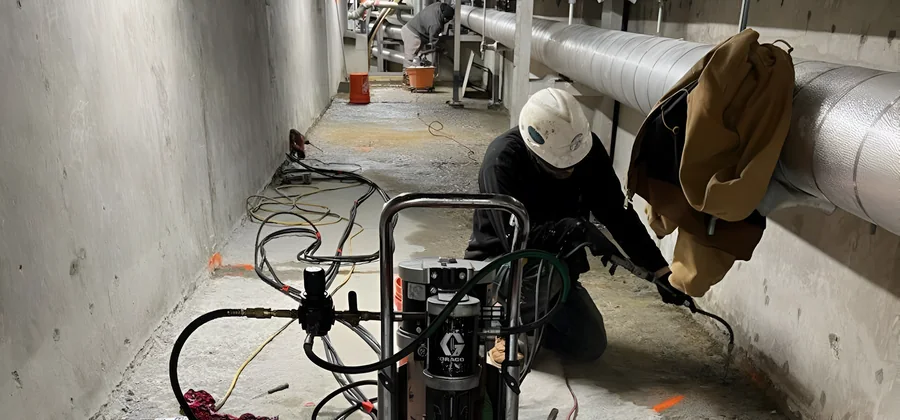
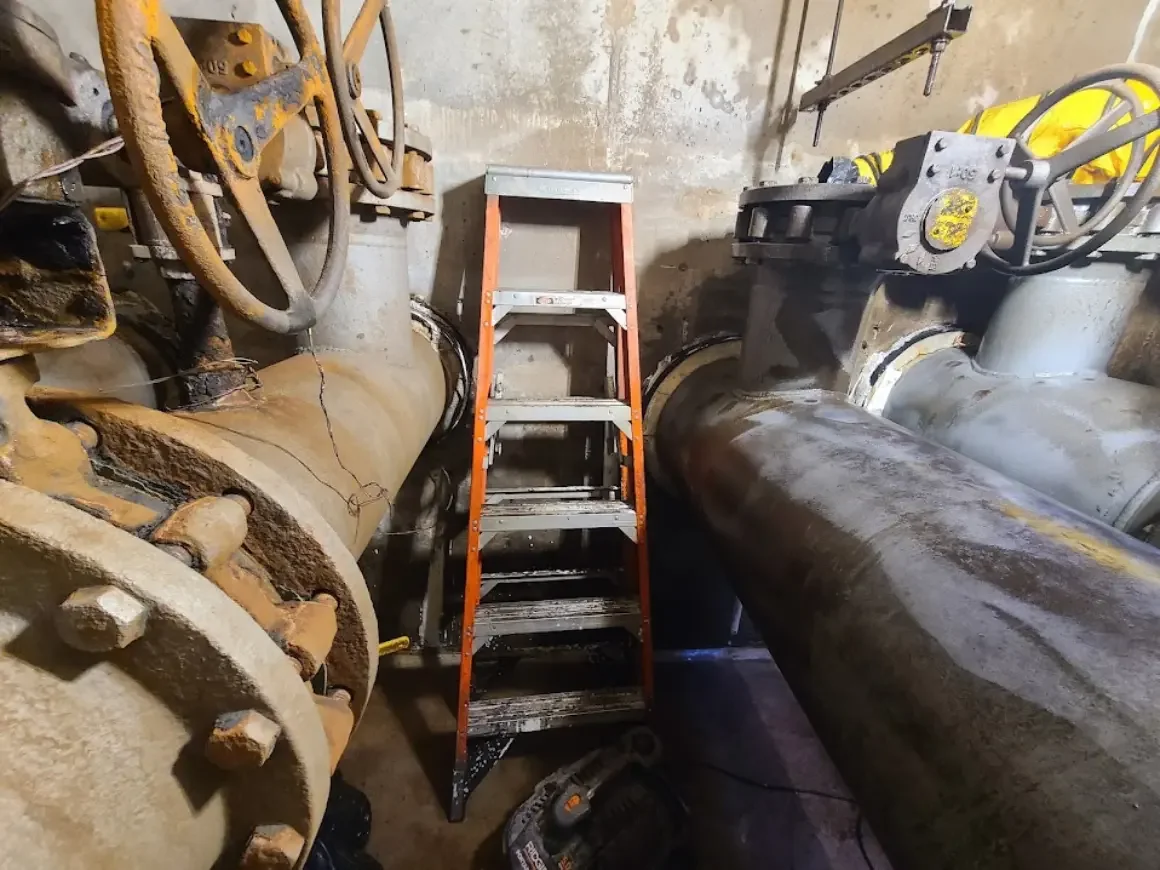
- Water reaches a broad wall area after local cracks have been patched.
- Groundwater moves through backfill toward your foundation perimeter.
- Several leakage points suggest a contributing soil path behind the structure.
- A buried utility vault has recurring infiltration through its surrounds.
- Exterior access is limited and the injection route needs review.
- Earlier surface treatments have not addressed groundwater outside the wall.
How we review groundwater paths behind your structure.
A local concrete leak and a contributing soil path need different treatment decisions. We start with the wall, the groundwater behavior and the access available to reach the intended zone.
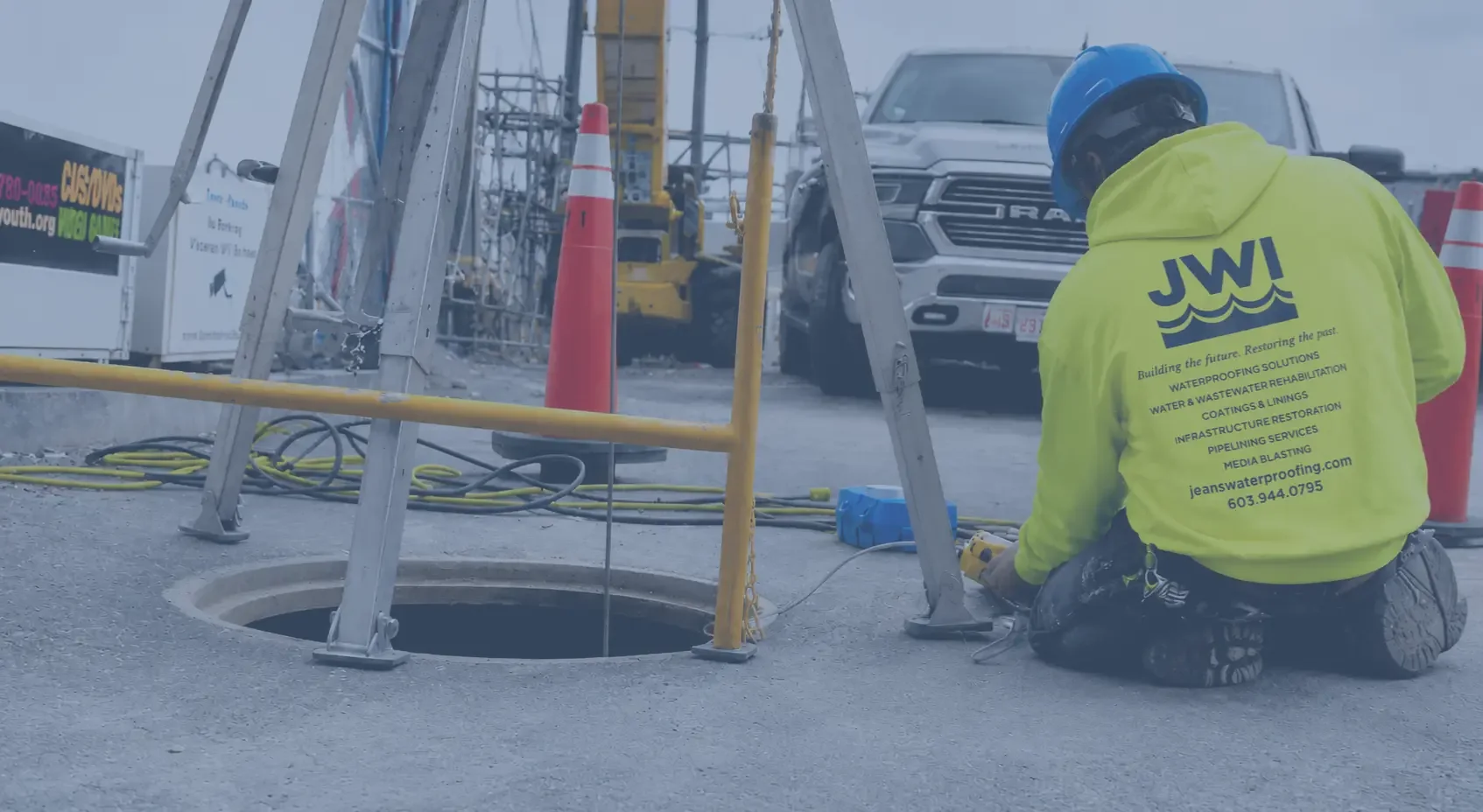
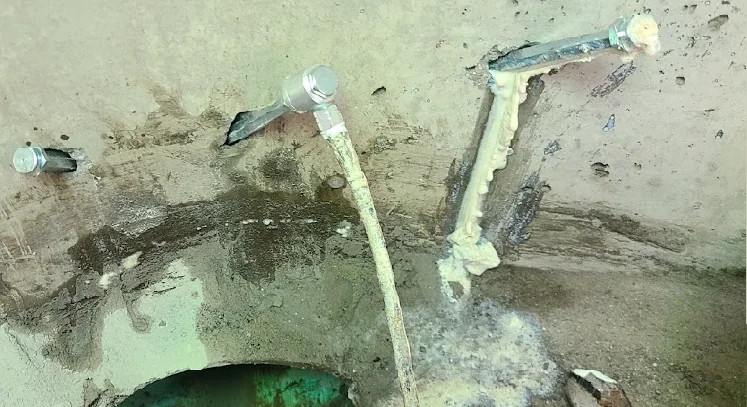
When you see this
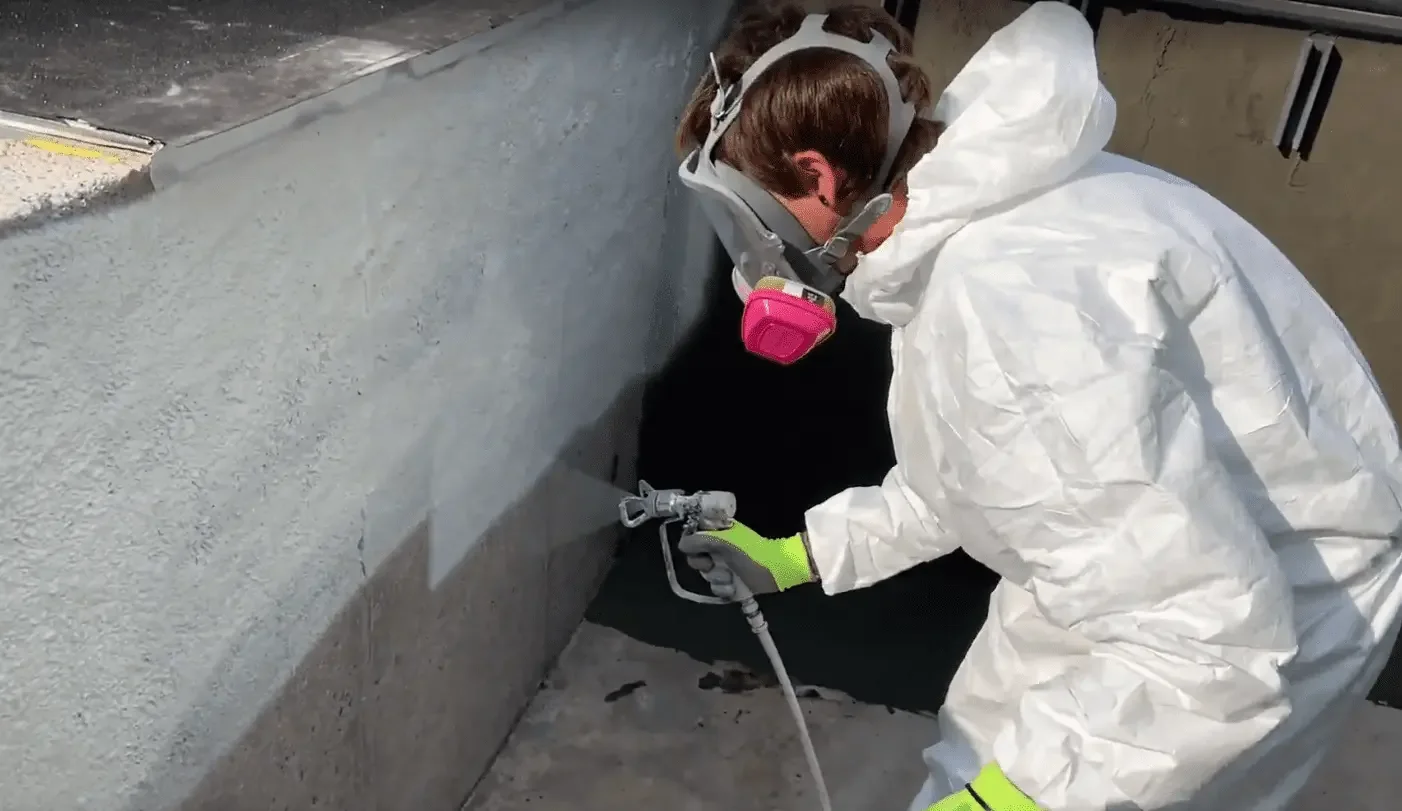
Water returns across several wall areas.
JWI handles this by reviewing whether groundwater in the soil behind the wall is feeding the leaks before selecting local injection or a curtain scope.
- Leak-pattern review
- Soil-path review
- Curtain feasibility
When you see this
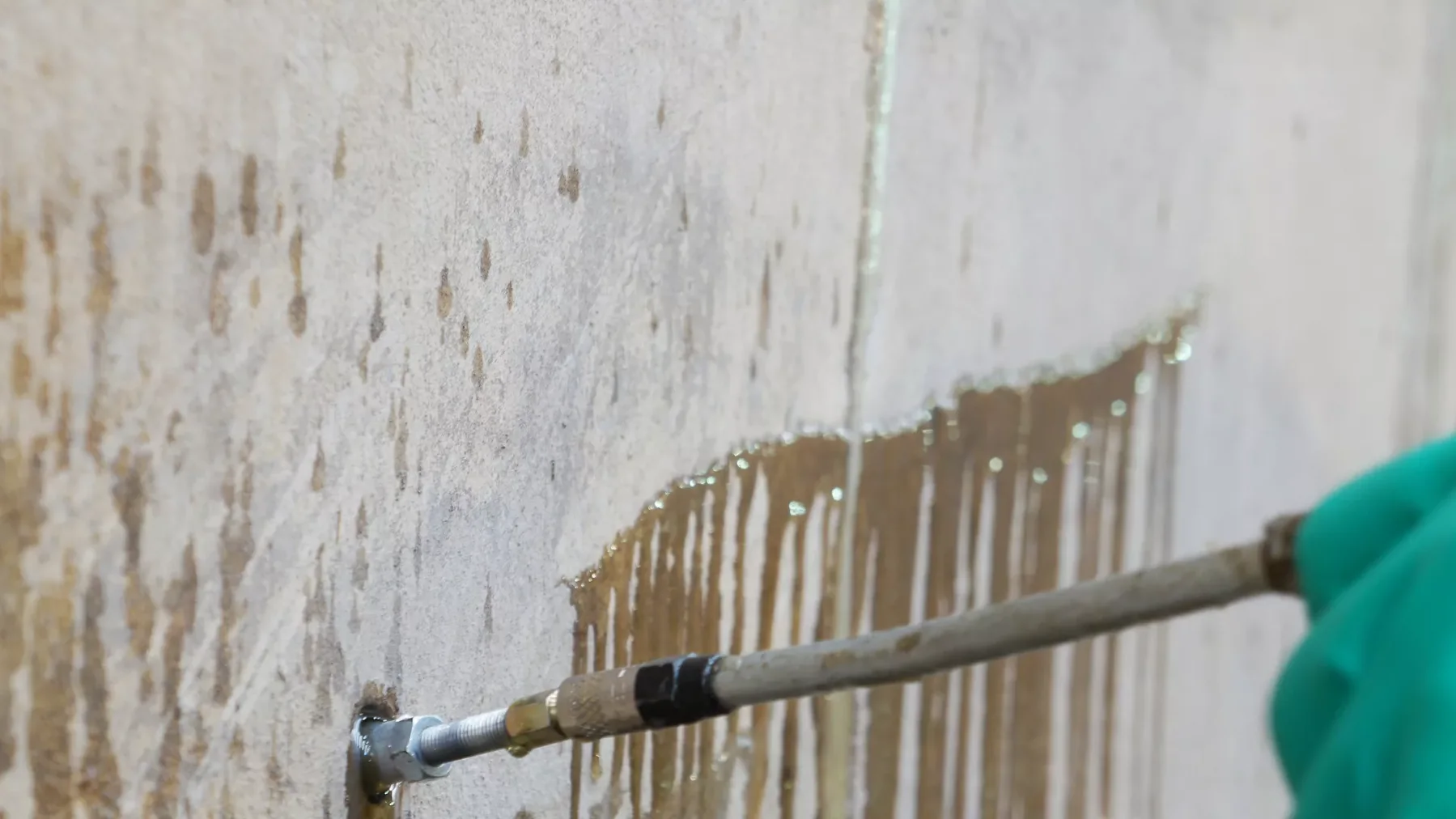
Groundwater reaches your foundation perimeter.
JWI handles this by reviewing wall construction, soil information and nearby utilities to plan suitable foundation curtain access.
- Foundation review
- Utility clearance
- Access planning
When you see this
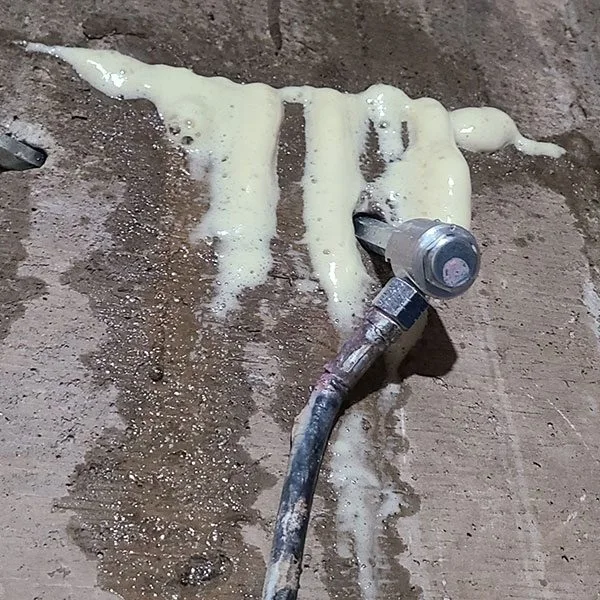
Backfill feeds infiltration at a buried utility asset.
JWI handles this by reviewing permeability and water movement around the structure before discussing curtain, annulus or permeation treatment.
- Surround review
- Permeation selection
- Placement planning
When you see this
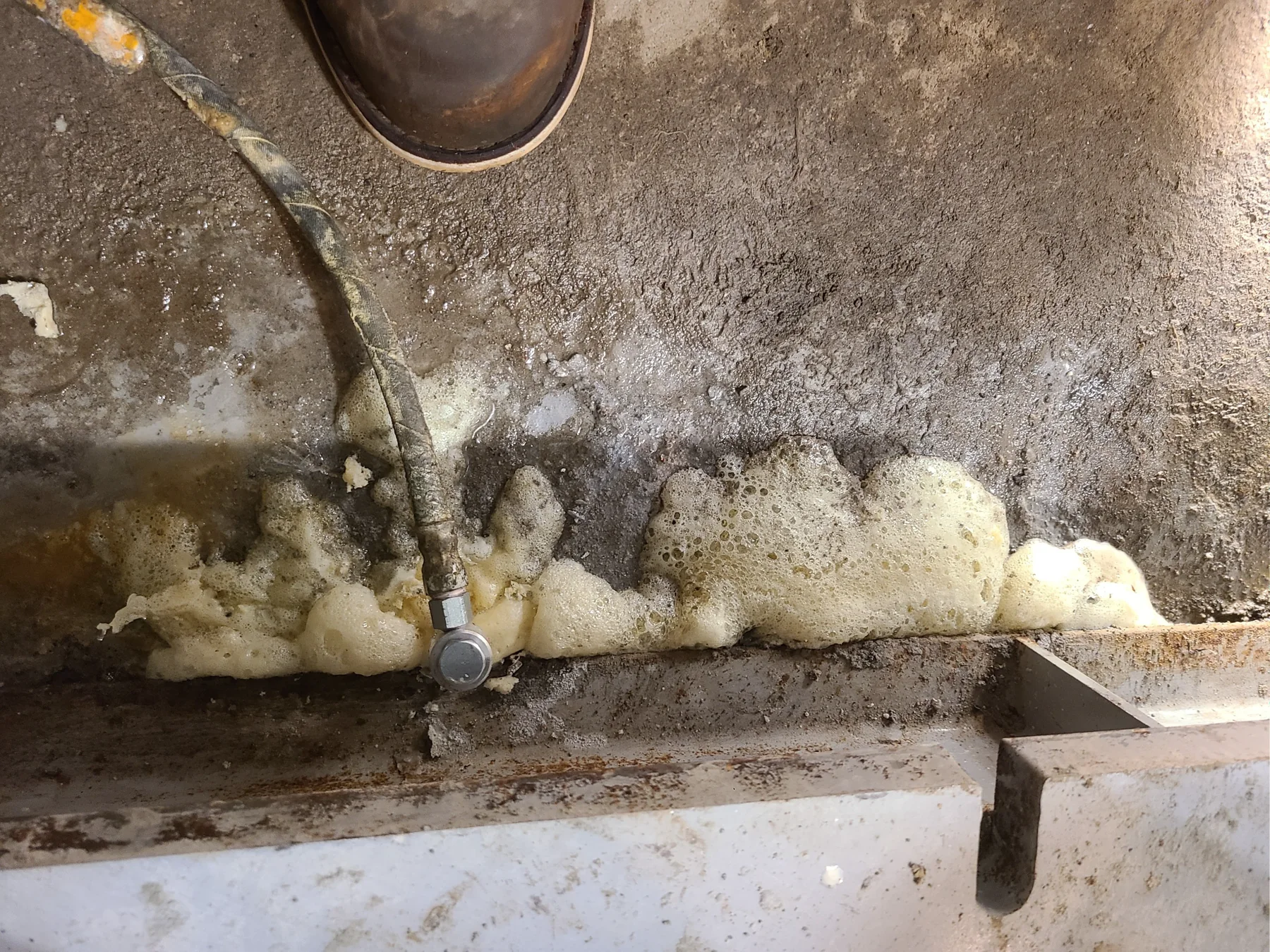
You cannot readily reach the outside of the wall.
JWI handles this by assessing feasible injection routes and site constraints before treating limited exterior access as proof that curtain grouting will fit.
- Access review
- Wall construction
- Scope limits


Contact JWI
Send the wall and groundwater history.
Include drawings, leak photos, available soil information and access limits so we can discuss curtain grouting suitability.
Specialty field contracting for commercial, municipal, and infrastructure properties.
Jump to project inquiry formWe review behind wall curtain grouting for your water path.
Behind wall curtain grouting treats a suitable soil zone contributing to groundwater movement toward a structure. The target is the path outside the wall, which may feed several visible leaks. Chemical curtain grouting is considered after reviewing permeability, water behavior, wall condition and available injection access.
Behind wall grout injection requires a placement approach that can reach the intended soil zone. Resin selection and injection sequence depend on how material can travel through that zone and how groundwater behaves there. JWI reviews drawings, available soil information and previous repair details before discussing a field scope. We consider blindside curtain grouting only where access and soil conditions support treatment behind the wall.
Curtain treatment differs from sealing one concrete crack or pipe sleeve. A defined local defect may be addressed with targeted injection; a contributing soil pathway may need a broader treatment approach. Where wall damage, movement or other conditions need engineering review, those determinations are made by the appropriate qualified professionals.
Access restrictions do not establish that excavation can be avoided. Utilities, wall construction, adjacent equipment, confined-space requirements and the work area available to the crew affect feasibility. Send wall drawings and leak photos so those constraints can be reviewed together with the groundwater path.
Where the water path also involves local concrete defects, the scope may include Chemical Grout Injection, and Active Water Infiltration Control.
Engineering design, structural determinations, geotechnical engineering opinions, and regulatory interpretations should be provided by the appropriate licensed professionals when required.
Your structure and groundwater path determine the method.
| Condition | Structure or environment | Possible service path | Notes |
|---|---|---|---|
| Water returns across several patched wall areas. | Commercial below-grade wall | Review whether soil behind the wall contributes to the continuing leaks. | A curtain scope depends on permeability and access, not the number of wet spots alone. |
| Groundwater moves toward a foundation perimeter. | Occupied commercial building | Review a foundation grout curtain for suitable soil zones. | Wall construction, utilities and available working space affect placement. |
| Permeable backfill feeds a utility structure. | Vault, manhole or wet well | Consider curtain, annulus or permeation grouting after surround review. | Flow direction, soil condition and structure access are evaluated together. |
| A pit wall has soil-fed groundwater entry. | Commercial elevator or equipment pit | Review behind-wall treatment where soil permeability contributes. | Equipment clearances and safe pit access may limit the approach. |
| Water follows one identifiable crack or sleeve. | Concrete wall or utility interface | Review targeted injection before proposing a broader curtain. | A local defect does not by itself establish a soil-zone treatment need. |
We select grout for the soil zone it needs to reach.
Curtain and permeation methods depend on material travel through suitable soil. Water behavior, permeability, access and specifications guide resin selection and the placement sequence.
- Curtain grouting in suitable soil zones behind a structure.
- Selected permeation grouting for groundwater paths through soil.
- Acrylate grout where fine pathways, soil and exposure support its use.
- Polyurethane systems where the water behavior and treatment requirements support selection.
- Sequenced injection with port access planned for the intended treatment area.
- Coordination with local crack, joint or penetration injection where both paths need treatment.
We plan soil-zone water control around your structure.
For access and repair considerations at specific structures, see Elevator Pit Waterproofing, and Manhole and Vault Grouting.
- Commercial foundation perimeters
- Below-grade retaining walls
- Utility vault and manhole surrounds
- Elevator pit walls where soil contributes to infiltration
- Wastewater wet-well and pump structure surrounds
- Industrial below-grade walls and equipment pits
Foundation curtain grouting depends on your soil and perimeter access.
Foundation curtain grouting addresses groundwater moving through suitable soil toward your building perimeter. A foundation grout curtain is a water-control treatment selected for that pathway. JWI reviews foundation drawings, wall condition, water history and prior repairs before planning foundation curtain grout injection.
Foundation perimeter injection must account for buried utilities, adjacent spaces and the access available around or through the structure. Soil treatment and concrete crack treatment have different targets and may be coordinated where both contribute to leakage. Engineer-directed requirements guide the scope where provided; curtain work does not establish the foundation's structural adequacy or soil load capacity.
What we review before curtain placement
- Soil permeability and available ground information
- Groundwater behavior and entry history
- Wall construction, joints and previous treatments
- Intended soil zone and feasible injection access
- Utilities and adjacent occupied spaces
- Grout compatibility and placement behavior
- Confined-space and operating constraints
- Owner or engineer criteria for checking the work
We define the treatment area before planning injection.
- 01
We review the wall and groundwater history.
Assess drawings, leak patterns, earlier repairs and available information about the soil behind the structure.
- 02
We distinguish soil paths from local defects.
Review whether the contributing pathway calls for curtain, permeation or localized injection treatment.
- 03
We assess the injection access.
Coordinate wall access, utilities, occupied spaces and the intended soil zone with your project team.
- 04
We select the material and sequence.
Match the proposed grout and placement approach to water behavior, soil conditions and specifications.
- 05
We carry out and review the field work.
Monitor placement and review leakage behavior against agreed project criteria.
- 06
We document the treated scope.
Provide field and material information required by the owner or engineer, including remaining observations.
We plan a below grade injection water barrier around groundwater paths.
Below grade injection water barrier work targets groundwater pathways in suitable soil around a buried asset. Groundwater cutoff grouting and permeation grout water control describe the treatment intent; the achieved reduction depends on soil, water behavior, placement and project conditions. JWI reviews those limits before proposing a below grade grout curtain.
Acrylate grout may be appropriate for fine paths and selected permeation work, while other specified systems may suit different conditions. We coordinate access and material selection for utility vaults, wet wells and other documented below-grade structures. Send available soil findings, structure drawings and leak history for review. Engineering design, groundwater modeling and regulatory determinations remain with the appropriate qualified professionals when required.
- Commercial foundation and retaining walls
- Municipal utility and wastewater structures
- Behind-wall groundwater-path review
- Selected curtain and permeation placement
- Coordination with local leak injection
- Field scope aligned with project criteria
Serving CT, NY, NJ, PA, and MA Commercial Properties
JWI supports commercial, municipal, industrial, institutional, and infrastructure properties across Connecticut, New York, New Jersey, Pennsylvania, and Massachusetts. Our work is suited for facilities where water intrusion, soil loss, slab movement, voids, concrete deterioration, or below-grade infrastructure failure can disrupt operations, create safety concerns, or increase long-term repair costs.
For curtain grouting in Connecticut, New York, New Jersey, Pennsylvania or Massachusetts, send the wall details, groundwater history and available soil information before selecting a treatment area.
View the service area for CT, NY, NJ, PA, and MA commercial propertiesRelated Technical Systems
Material and field-system reference pages related to this scope. They support buyer education and are not a substitute for site review.
Related services for your structure and water paths.
What to know before requesting a curtain grouting review.
Send the wall, soil and groundwater details.
Share the structure drawings, leak history and access constraints so we can discuss whether a curtain or permeation grouting scope fits the contributing groundwater path.
- Site location and structure type
- Wall or foundation drawings
- Leak photos and groundwater history
- Available soil or backfill information
- Prior repairs or injection attempts
- Utilities, occupied areas and access constraints