
Manhole, Vault, and Utility Structure Grouting
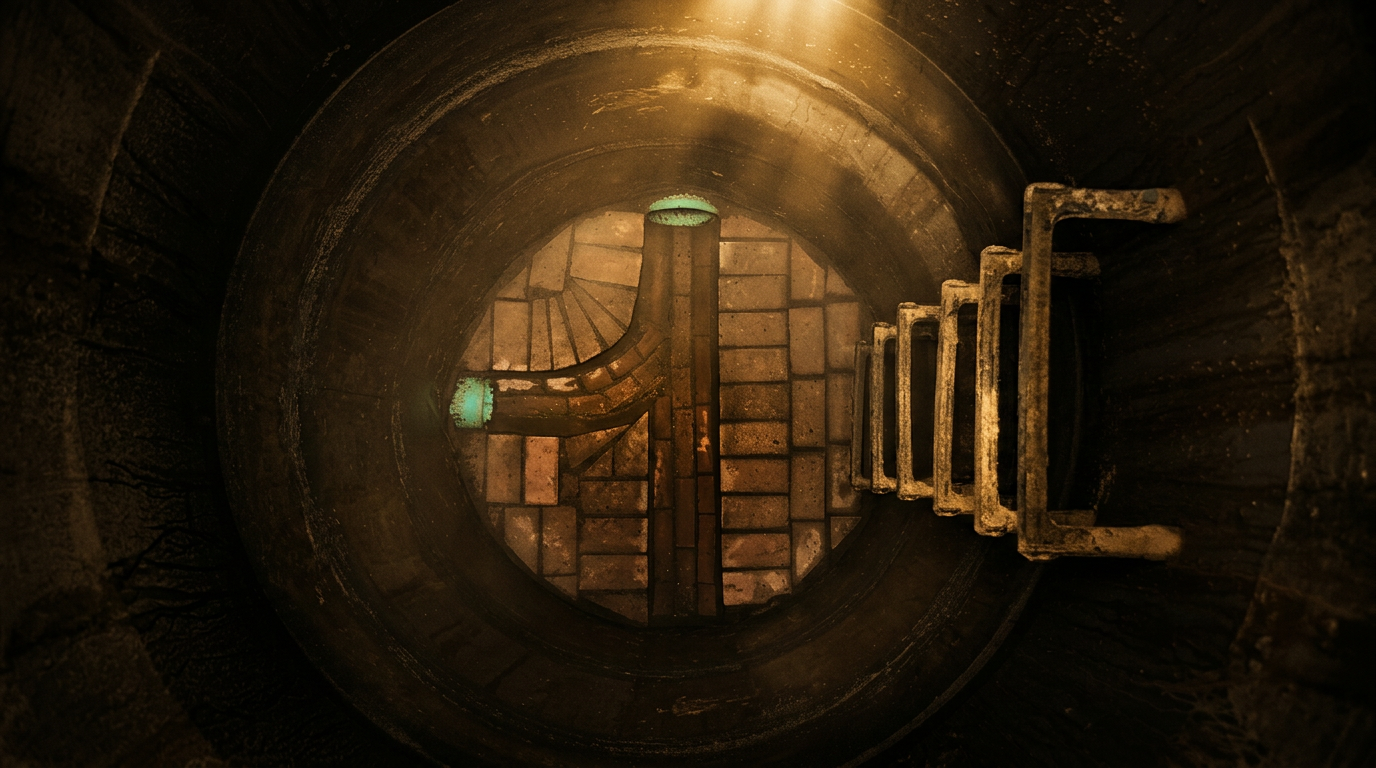
We grout manholes, vaults, and utility structures, sealing active infiltration, exfiltration, joint failure, and soil loss at sanitary manholes, wet wells, valve vaults, and buried utility structures. Our grout placement is matched to bench channels, pipe penetrations, and annulus conditions for municipalities, wastewater authorities, and civil contractors across CT, NY, NJ, PA, and MA.
- Manhole & vault leak sealing
- Joint & penetration grouting
- I&I reduction support
- Annulus & surround stabilization
- Municipal & wastewater experience
- Collection-system access coordination
Specialty field contractor; engineer-directed scopes where applicable; serving CT, NY, NJ, PA, and MA commercial properties.
Request a Site Review
If manholes, vaults, or utility structures are leaking, losing surround support, or contributing to I&I, we can review conditions and discuss a grouting approach suited to your system.
Step 1 of 4
Contact
Specialty field contractor; engineer-directed scopes where applicable; serving CT, NY, NJ, PA, and MA commercial properties.
Manhole, Vault, and Utility Structure Leakage Problems
Manhole and vault grouting work typically starts when infiltration, joint leakage, annulus voids, or deteriorated concrete show up during I&I programs, wet-weather events, or routine inspections. JWI supports municipal, utility, and wastewater teams with injection, sealing, and structure-adjacent repair methods matched to the leak path and service environment.
- 01Active infiltration at manhole walls, benches, and channels
- 02Exfiltration from deteriorated joints and cracked structure walls
- 03Leaking vault walls, lids, and grade-level interfaces
- 04Joint failure at pipe entries and lateral connections
- 05Soil loss and voids in the annulus around buried structures
- 06Inflow and infiltration (I&I) during wet-weather events
- 07Groundwater paths through structure surrounds and backfill
- 08Deteriorated mortar, joint materials, and prior patch failures
- 09Settlement of frames, covers, and adjacent pavement
- 10Wet well, lift station, and pump vault leakage
- 11Recurring repairs after surface mortar or coating-only work
- 12Utility corridor structures failing before replacement is scheduled
Injection Grouting for Leaking Manholes, Utility Vaults, and Below-Grade Structures
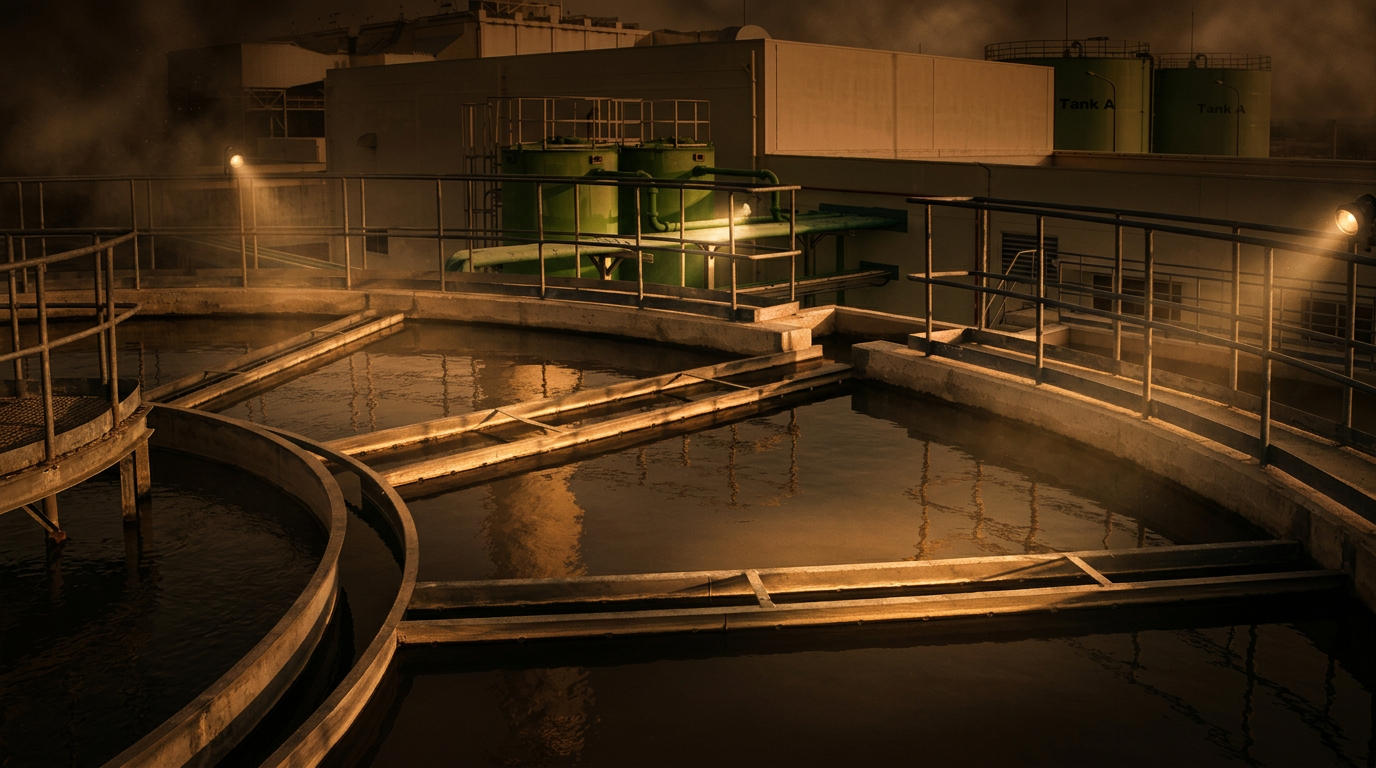
Manholes, vaults, wet wells, and buried utility structures are common points of water entry, water loss, and soil erosion in municipal collection systems and utility networks. Leakage may occur through cracked walls, failed bench channels, deteriorated joints, pipe penetrations, grade rings, or the interface between the structure and surrounding soil. In wastewater systems, infiltration adds unwanted flow during wet weather. In some conditions, exfiltration from the structure can affect surrounding soil stability and roadway support.
Surface patching, mortar repair, or localized coatings often fail when groundwater or effluent continues to move through the structure or erode soil behind it. Grouting addresses the pathway by injecting resin or cementitious grout into cracks, joints, penetrations, bench channels, or the soil annulus around the structure to reduce water movement and stabilize surrounds. Where interior coatings or linings are part of a broader rehabilitation scope, grouting is often sequenced first to address active water paths before surface protection. We perform grouting and can coordinate with restoration or coating scopes when project requirements call for combined methods.
Depending on conditions, we may use hydrophilic or hydrophobic polyurethane systems for active water cutoff, acrylate grout for fine cracks, or cementitious grouts where appropriate for joint or penetration work. Curtain or annulus grouting may reduce groundwater flow toward the structure when soil permeability and surround voids are contributing factors, not only when the structure wall itself is visibly cracked.
Structure-level infiltration can add unwanted wet-weather flow to collection systems. We provide field grouting services, not flow monitoring programs, I&I quantification studies, or regulatory determinations. Sealing identified leakage points may support authority performance goals when those points are confirmed through proper inspection, CCTV review, or engineer-directed scopes.
Work in roadways, easements, and active utility corridors requires traffic control, safety planning, and coordination with municipal staff or contractors. Confined entry into manholes, wet wells, and vaults demands appropriate safety protocols. We plan access, sequencing, and material selection around operational constraints, including limited shutdown windows at pump stations and live collection system segments.
For wastewater authorities, water utilities, electric and telecom vault networks, and municipal public works departments, structure grouting may extend service life and reduce repeated emergency repairs, especially where full excavation, replacement, or relining is costly, disruptive, or not yet funded in the capital plan.
When manhole or vault leakage is tied to soil loss or voids in the surround, related work may include Chemical Grout Injection, Soil Stabilization, and Hydrophobic Polyurethane Grouts.
Engineering design, structural determinations, geotechnical engineering opinions, and regulatory interpretations should be provided by the appropriate licensed professionals when required.
Manhole and Vault Grouting Condition-to-Method Paths
| Condition | Structure or environment | Possible service path | Notes |
|---|---|---|---|
| Active infiltration at manhole bench or channel | Sanitary sewer or storm drain manhole | Bench channel and wall injection with hydrophilic polyurethane | Wet-weather behavior and CCTV findings help confirm whether bench infiltration is a primary I&I contributor. |
| Joint failure at pipe entry or lateral connection | Collection system manhole or junction structure | Penetration and joint grouting at pipe interface | Pipe material, offset, and prior mortar failure affect port placement and grout selection. |
| Water entering through vault wall cracks or lid interface | Water, sewer, electric, or telecom utility vault | Wall crack injection and grade-interface grouting | Vault exposure and traffic loading may influence whether interior-only access is feasible. |
| Soil loss and voids in annulus around buried structure | Manhole, vault, or wet well in roadway or easement | Annulus grouting and surround stabilization | May address frame settlement and pavement distress when soil erosion is the driver. |
| Groundwater migrating through permeable backfill toward structure | Buried utility structure in high water table area | Curtain or annulus grouting in soil zone | Used when soil permeability contributes to infiltration, not only visible wall defects. |
| Wet well or pump station wall leakage | Wastewater lift station or pump vault | Wall and joint injection with effluent-compatible grout systems | Chemical compatibility, confined space entry, and bypass requirements are planned in advance. |
| Recurring leak after mortar patch or localized coating | Municipal manhole or utility vault | Pathway-targeted injection behind failed repair zone | Surface treatment without addressing the water path often fails under sustained hydrostatic pressure. |
| Exfiltration at deteriorated joint or cracked wall section | Force main access structure or pressure vault | Joint resealing and crack injection with selected resin or cementitious grout | Active flow direction and pressure behavior influence material and sequence selection. |
Manhole Grouting, Joint Sealing, Coatings, and Utility Structure Repair Materials
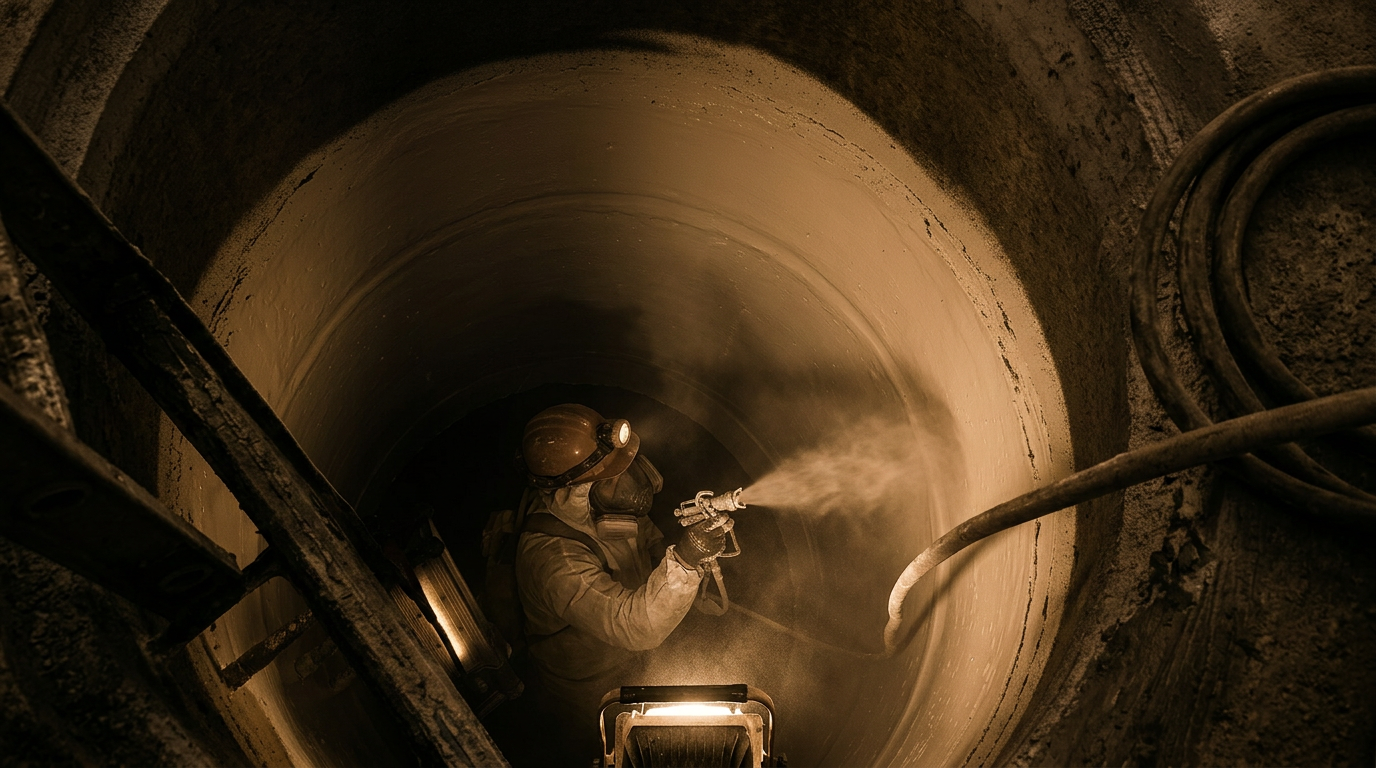
Leaking precast joints, pipe penetrations, and eroded annulus zones each call for different grout, seal, or lining approaches. JWI selects materials and placement methods based on structure type, flow conditions, and whether the scope is infiltration control, void fill, or substrate repair.
- Hydrophilic polyurethane injection for active infiltration at walls, benches, and joints
- Hydrophobic polyurethane systems for void filling and leak isolation in wet vault conditions
- Acrylate grout for fine crack networks and selected soil permeation at structure surrounds
- Cementitious grouts for joint resealing, penetration packing, and selected bench repairs
- Penetration and pipe-entry grouting at lateral connections and utility sleeves
- Bench channel and invert grouting where infiltration tracks along flow paths
- Annulus and curtain grouting to address groundwater movement in soil behind structures
- Injection port installation with sequenced placement based on leak path behavior
- Coordination with coatings, linings, and concrete restoration when part of a broader rehab scope
- Engineer-specified resin systems and submittal coordination where directed
Where Manhole, Vault, and Utility Grouting Applies
- Sanitary sewer manholes and junction structures
- Storm drain inlets, catch basins, and junction boxes
- Water and sewer valve vaults
- Electrical and telecom utility vaults
- Wet wells, dry wells, and pump station structures
- Lift stations and force-main access structures
- Utility junction and splice vaults
- Meter, monitoring, and sampling vaults
- Transit and tunnel access structures
- Industrial utility enclosures and trenches
- Collection system access points in roadways
- Easement and corridor structures between utilities
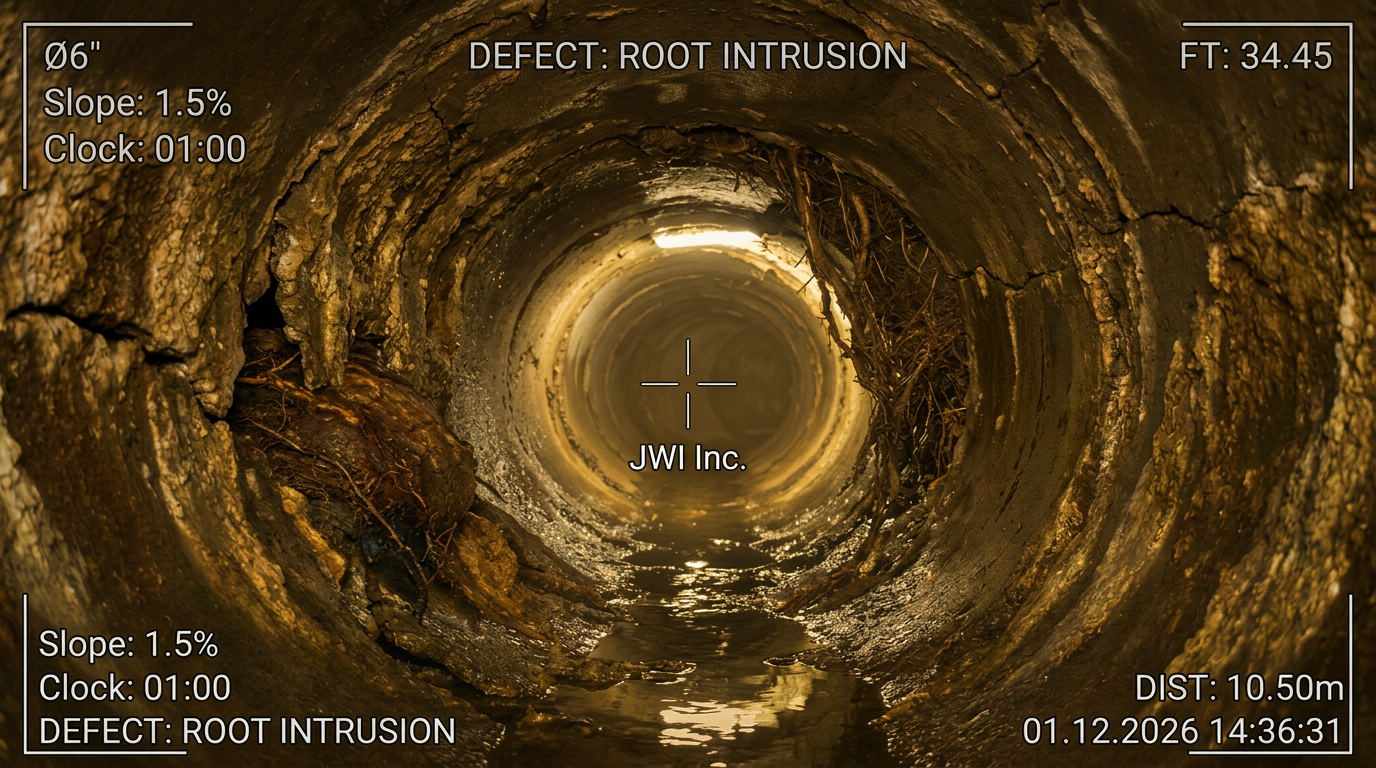
Choosing the Right Manhole or Vault Grouting Method
Manhole benches, pipe-entry joints, vault wall cracks, and wet-well cold joints each present different infiltration paths: grout chemistry and port placement must match the defect, not a generic municipal leak kit applied to every structure.
A sanitary manhole with bench flow during rain events may need hydrophilic injection at the channel, while an electric vault with annulus soil loss may call for permeation grouting around the structure. Effluent exposure, I&I behavior, and surround voids drive method selection.
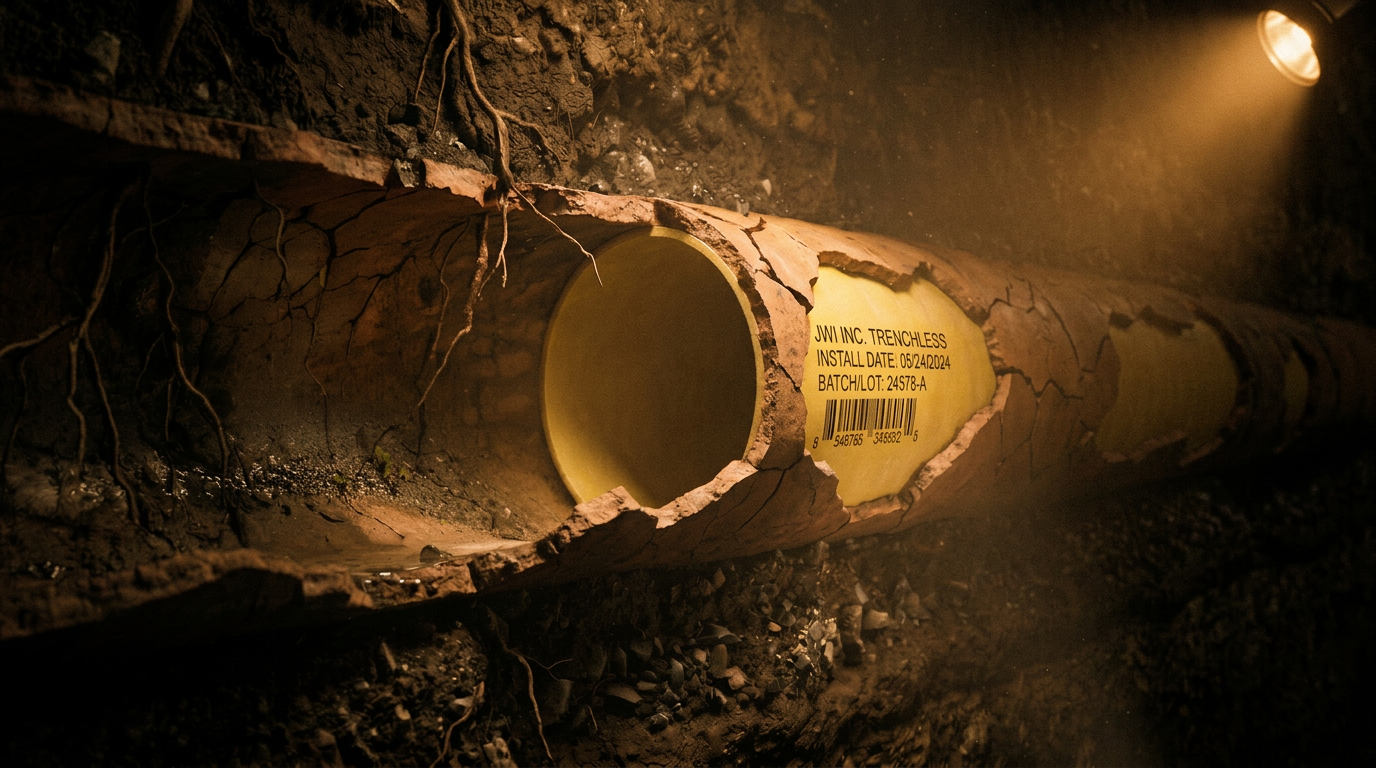
Manhole and Utility Vault Grouting Process
Review Structure Condition
Assess leak locations, structure type, wet-weather behavior, and available inspection or CCTV data when provided.
Identify Leak & Soil Paths
Determine whether infiltration or exfiltration moves through the structure wall, bench, joint, penetration, or surrounding soil annulus.
Coordinate Access & Safety
Plan confined space entry, traffic control, utility coordination, and pump station or collection system operational constraints.
Select Grout Approach
Choose injection pattern, resin chemistry, and sequence for the specific leak mechanism and service environment.
Execute Grouting
Install ports, inject grout at targeted locations, and monitor placement through the structure or selected exterior access points.
Verify Leakage Reduction
Confirm improvement against agreed visual or project criteria during or after placement; note areas that may require monitoring.
Document Work
Provide field records, product data, or submittal information for municipal, authority, or contractor project files where required.
Manhole and Vault Grouting for Municipal, Utility, and Wastewater Infrastructure
We grout manholes, vaults, and wet wells for municipalities, wastewater authorities, and civil contractors where bench infiltration, pipe-entry joint failure, and vault wall leakage affect collection system performance and buried utility asset condition.
As a specialty field contractor, we plan confined-space entry, traffic control, and grout placement for utility corridor conditions, coordinating with engineers and authority staff when specifications, CCTV data, or inspection hold points apply.
- Municipal sanitary and storm collection systems
- Wastewater pump stations, wet wells, and lift stations
- Water, electric, and telecom utility vault networks
- Confined space safety planning and entry protocols
- Roadway, easement, and corridor coordination
- Work with engineers, authorities, and public works
- Civil contractor and authority support
- Product data, SDS, and submittal coordination
- Documentation for municipal project closeout
- Coordination with coatings, linings, and restoration scopes
Serving CT, NY, NJ, PA, and MA Commercial Properties
JWI supports commercial, municipal, industrial, institutional, and infrastructure properties across Connecticut, New York, New Jersey, Pennsylvania, and Massachusetts. Our work is suited for facilities where water intrusion, soil loss, slab movement, voids, concrete deterioration, or below-grade infrastructure failure can disrupt operations, create safety concerns, or increase long-term repair costs.
For manhole, vault, and utility structure grouting, this often means reducing infiltration at joints, penetrations, pipe openings, and deteriorated below-grade structures.
View the service area for CT, NY, NJ, PA, and MA commercial propertiesRelated Technical Systems
Material and field-system reference pages related to this scope. They support buyer education and are not a substitute for site review.
View all technical systemsManhole, Vault, and Utility Grouting FAQs
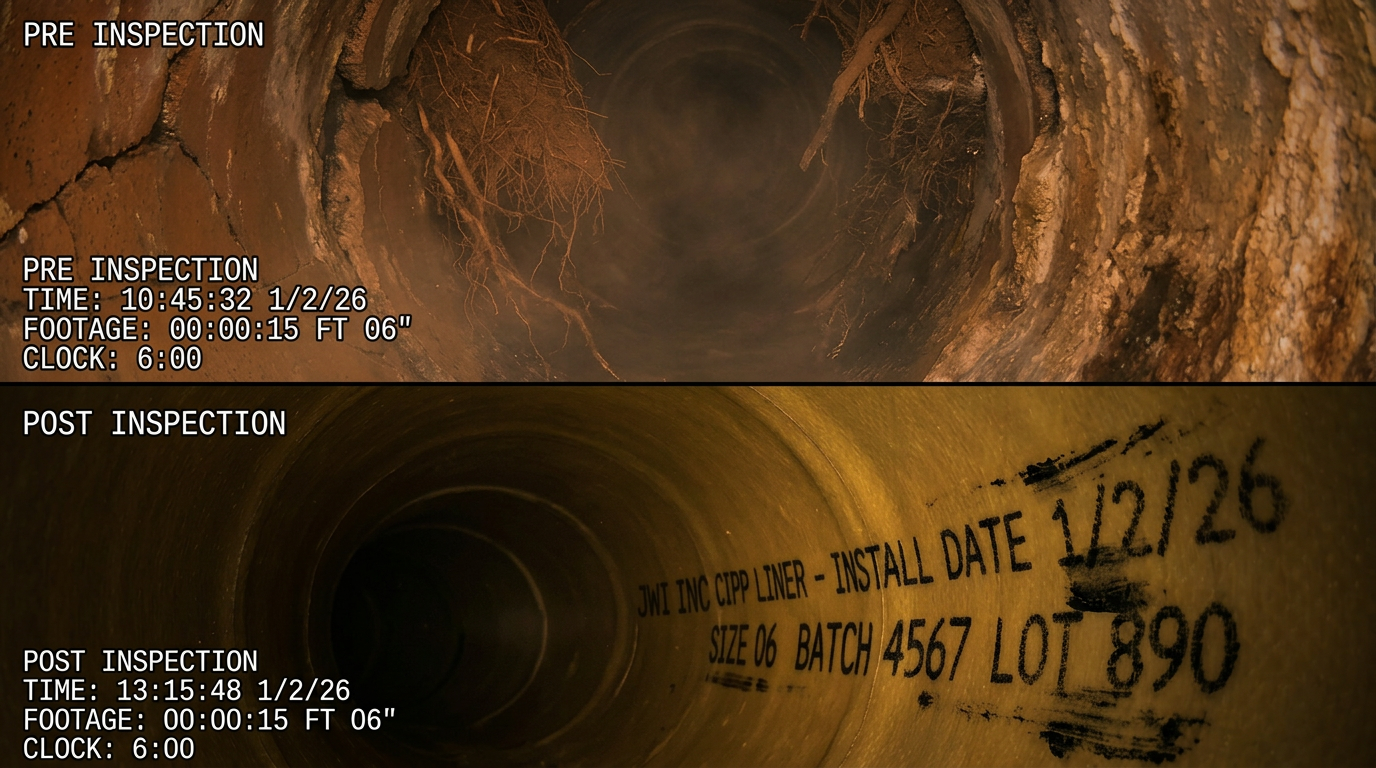
Address Manhole and Vault Leakage at the Pathway
If manholes, vaults, or utility structures are leaking, losing surround support, or contributing to I&I, we can review conditions and discuss a grouting approach suited to your system.
- Structure type and location
- Leak description and wet-weather behavior
- CCTV or inspection reports if available
- Infiltration, exfiltration, or soil-loss observations
- Traffic, easement, or confined-space constraints
- Authority or contractor contact
- Project schedule, bid timeline, or emergency urgency
Step 1 of 4
Contact