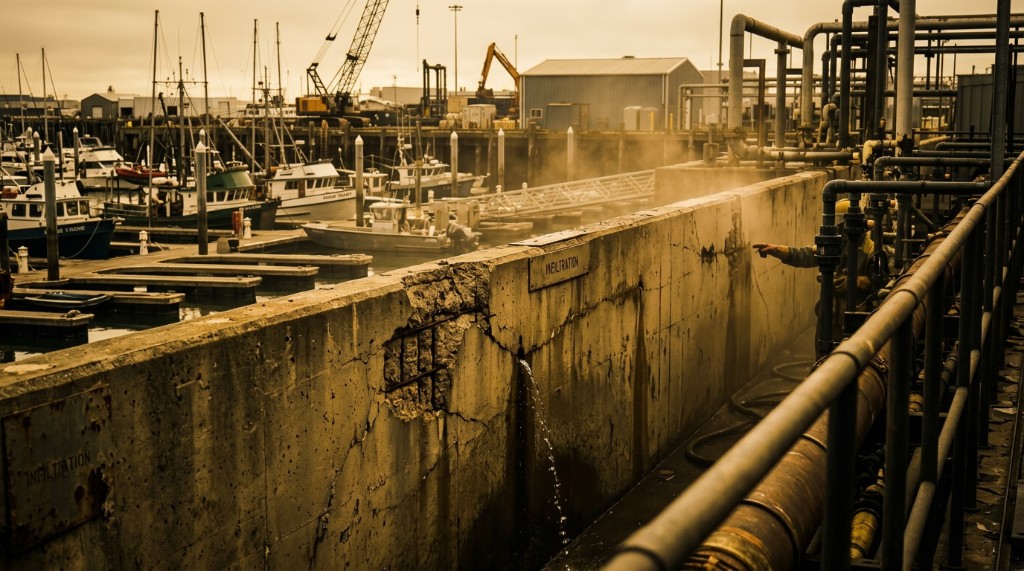
Wall and soil defect
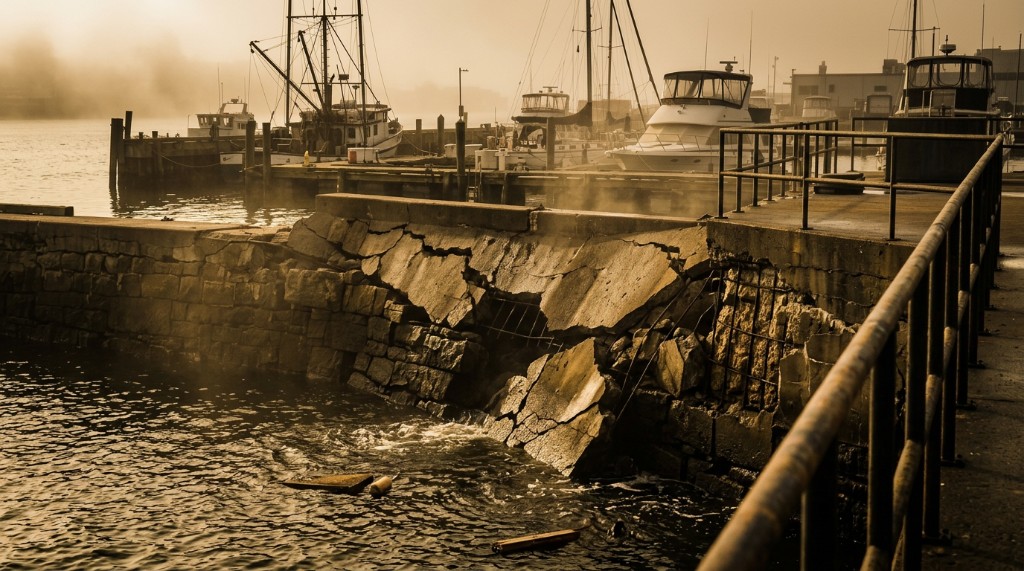
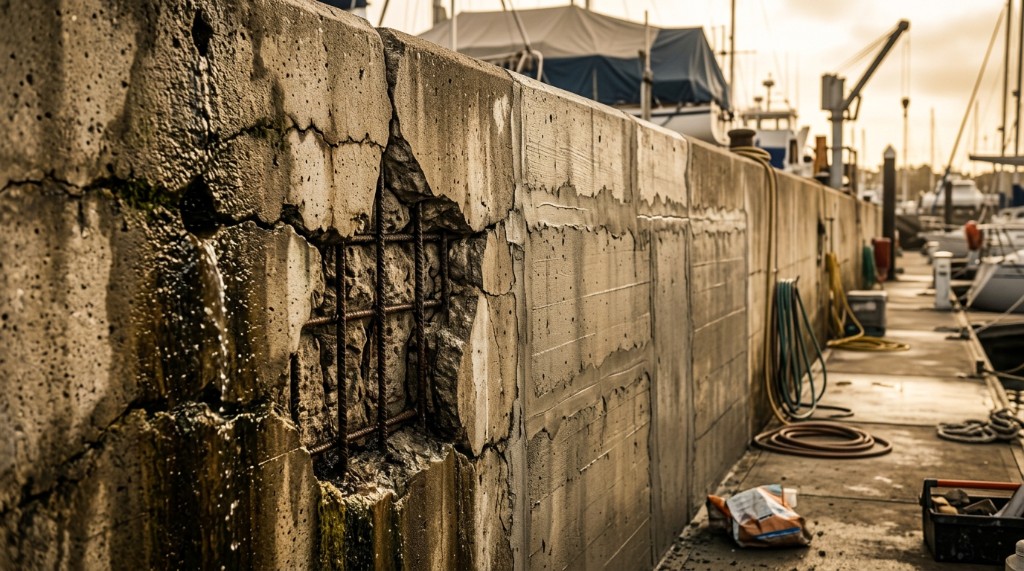
Joint leakage, panel cracking, cap spalling, tie-back distress, or erosion opening voids behind the bulkhead.
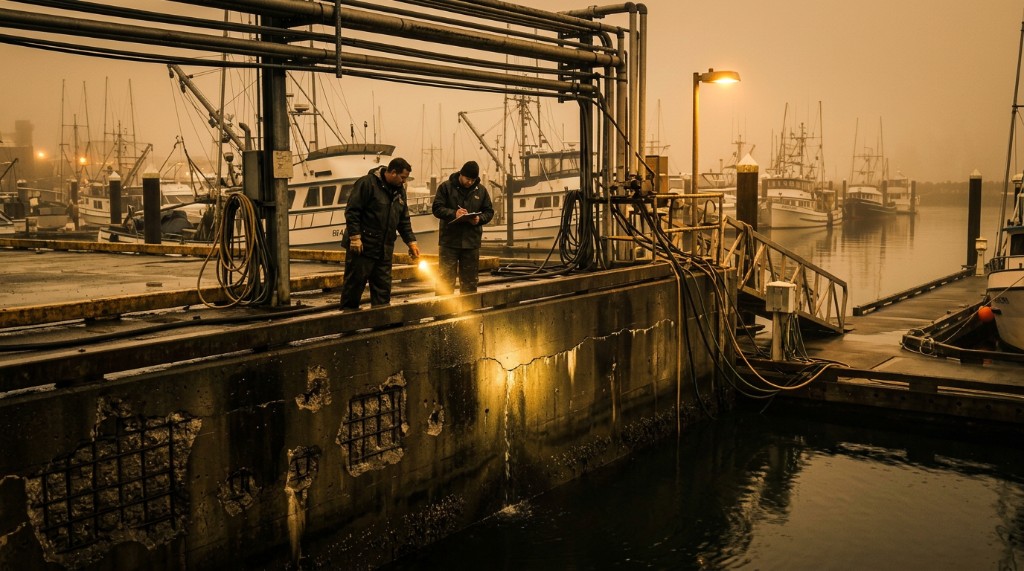
JWI reviews wall movement, erosion, voids behind panels, and active leakage paths to plan grout injection, soil stabilization, void filling, and concrete repair where the structure and site conditions support a targeted repair path.
Commercial, municipal, marina, and industrial waterfront focus. Insurance and project documentation available upon request. Serving CT, NY, NJ, PA, and MA.
Tell us about the seawall or bulkhead condition. Our team will review the photos and site details and contact you directly.
Commercial, municipal, marina, and industrial waterfront focus. Insurance and project documentation available upon request. Serving CT, NY, NJ, PA, and MA.
Bulkhead failures usually show up as joint leakage, cap spalling, soil loss behind panels, and settlement at pavements or utilities landward of the wall. Field photos help determine whether grout injection, void filling, soil stabilization, or concrete repair belongs in the discussion.
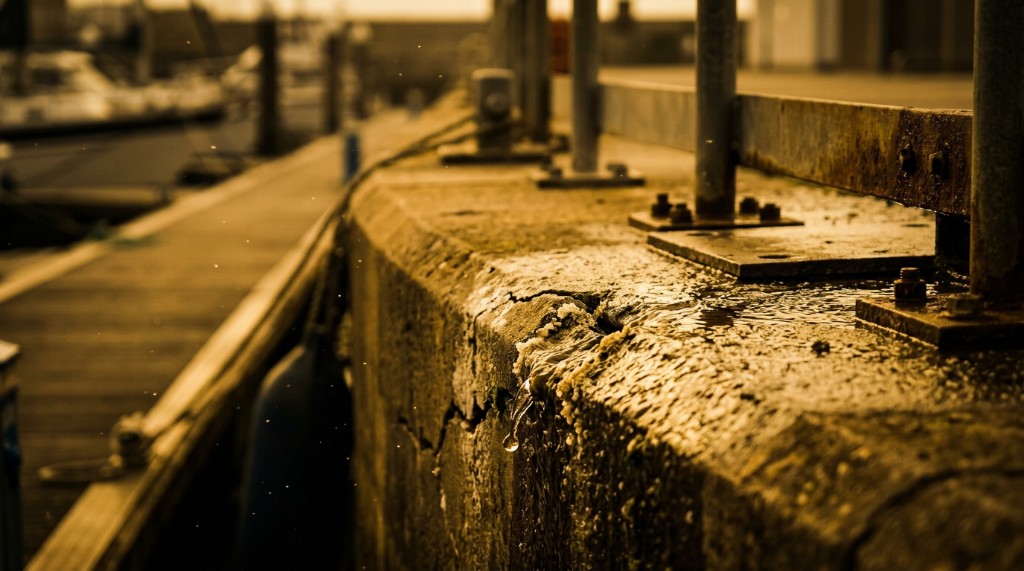 Hydrostatic leak
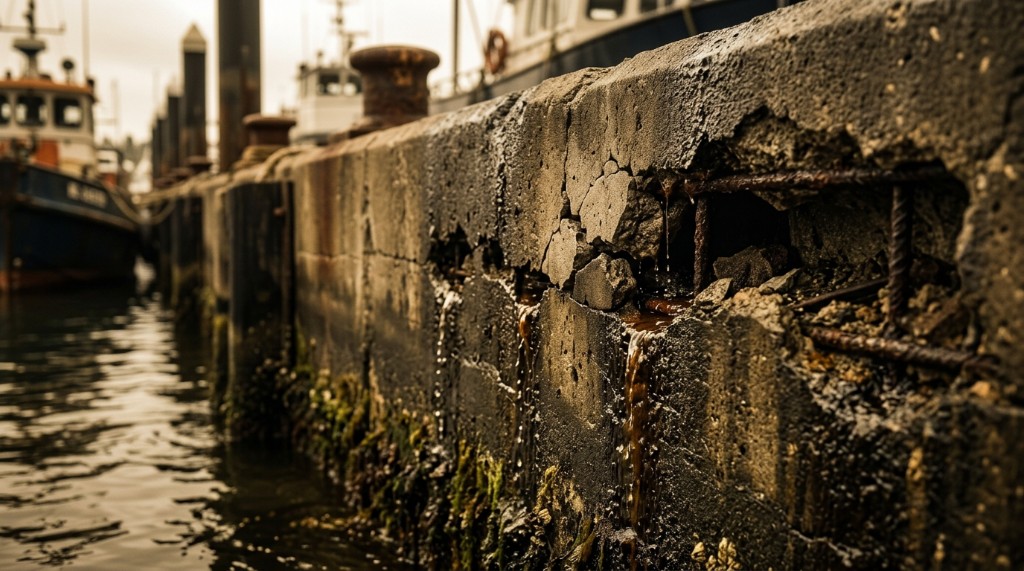 Spalling & rebar
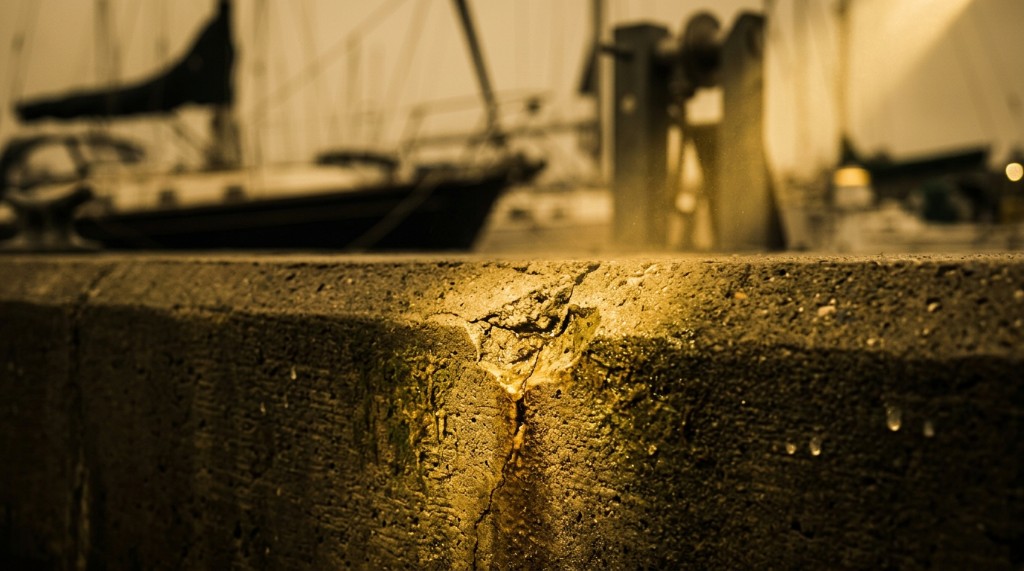 Crack seepage
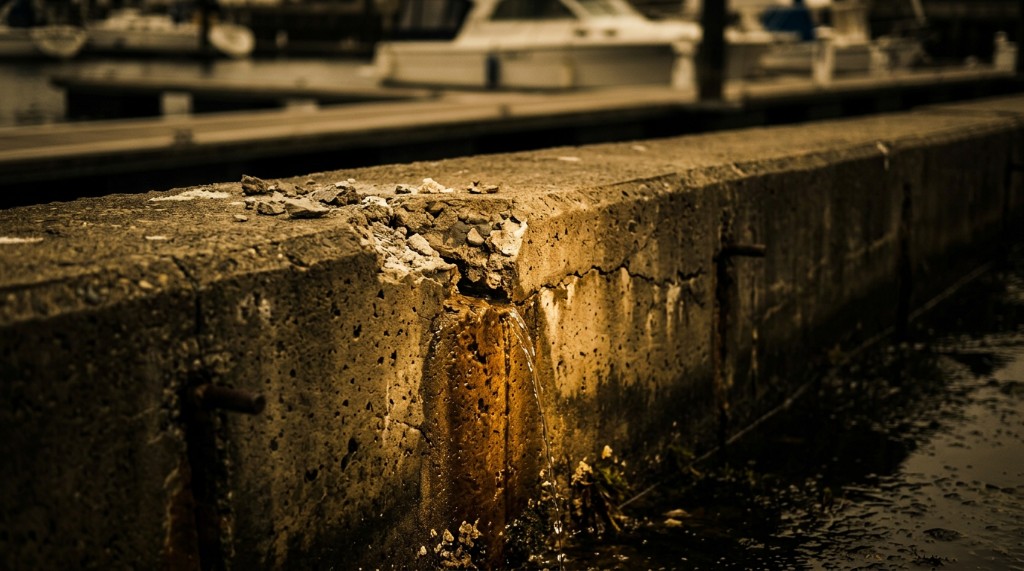 Joint intrusion
Targeted grout injection, void filling, and marine concrete repair can restore serviceability at bulkheads where wall alignment and tie-back condition still support a field repair path. Compare damage conditions with restored wall faces across common repair types.
Swipe or drag the divider to compare before and after
Active infiltration and spalled concrete patched and sealed where substrate conditions support restoration.
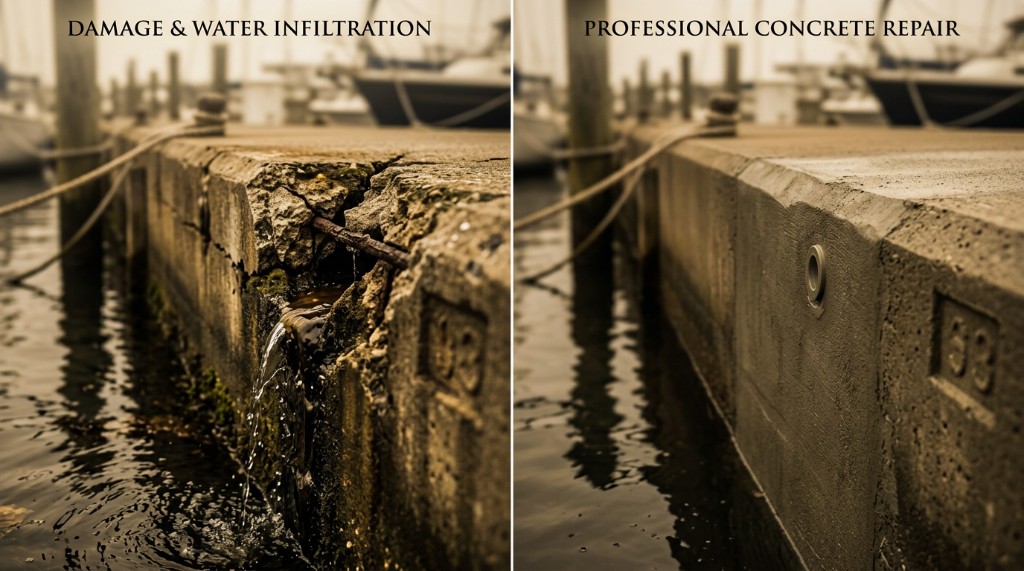
Drag to reveal the repaired wall
Seawall repair is usually requested after visible movement, cap spalling, joint leakage, soil loss behind panels, or landward pavement settlement at marinas, harbors, and commercial waterfront sites. Below, see the conditions, then how JWI handles each failure type with grout injection, void filling, soil stabilization, and concrete repair matched to wall type, tidal exposure, and access constraints.
On marinas, harbors, and occupied coastal sites, a failing seawall rarely stays a shoreline maintenance item. It becomes a pavement settlement problem, a utility risk, a permit question, and an insurer documentation request before anyone discusses grout mix design.
Joint leakage, panel cracking, cap spalling, tie-back distress, or erosion opening voids behind the bulkhead.
Weep paths at low tide, leaning panels, hollow sounds landward, or settlement at pavement and utility corridors.
Dock access limits, parking settlement, marina slip complaints, insurer flags, or transaction due-diligence findings.
Repeated surface patches, deferred action until storm season, or a full replacement quote before stabilization is reviewed.
Photo-led field review below: see how JWI handles soil loss, leakage, concrete deterioration, and landward settlement before replacement is assumed.
Bulkhead problems do not all need the same fix. JWI matches the field method to what is actually failing, whether that is soil behind the wall, active leakage, concrete deterioration, or landward settlement, before full replacement is assumed.
When you see this
JWI handles this by void filling and soil stabilization to restore backfill support before pavement, utilities, and cap conditions worsen landward of the wall.
When you see this
JWI handles this by chemical grout injection and joint sealing to address moving water paths behind panels where injection access and tide windows are workable.
When you see this
JWI handles this by cementitious concrete repair and marine-grade protective coatings where substrate condition supports restoration rather than full panel replacement.
When you see this
JWI handles this by stabilizing soils and filling voids behind the wall first, then coordinating slab or pavement repair once bulkhead support is restored.
Contact JWI
Send wall photos. We will review the repair path
If erosion, leakage, movement, or landward settlement point to a failing seawall, send JWI photos and site constraints. We will discuss whether grout injection, stabilization, void fill, concrete repair, or another scope may fit.
Specialty field contracting for commercial, municipal, and infrastructure properties.
Jump to project inquiry formBulkhead failures compound behind the wall face. The commercial question is whether early stabilization can narrow outage, excavation, and landward repair cost before replacement becomes the only option.
| Site factor | Deferred maintenance path | Targeted repair path |
|---|---|---|
| Soil behind wall | Continued erosion widens voids and washes fines through joints and weep paths. | Void filling and soil stabilization may restore support before landward assets fail further. |
| Wall face condition | Surface patches hide movement until cap, panel, or tie-back distress becomes visible. | Concrete repair and joint sealing matched to substrate condition may extend service life. |
| Landward pavement | Settlement spreads to docks, drives, and utilities as backfill support disappears. | Stabilization behind the wall may be sequenced before slab or pavement restoration. |
| Leakage paths | Tidal cycling keeps active flow paths open and accelerates soil loss. | Grout injection may address active weep paths where injection access is workable. |
| Replacement scope | Full bulkhead replacement becomes the default once rotation and section loss advance. | Early stabilization review may narrow open excavation and outage requirements. |
| Documentation | Insurer and transaction reviews arrive after movement is obvious in photos and surveys. | Field photos and repair records may support proactive asset planning. |
JWI solves scope uncertainty by reviewing wall type, movement, void extent, and landward asset risk before recommending grout injection, stabilization, void fill, concrete repair, or coordination with engineer-led replacement.
Seawall repair depends on wall type, rotation, tie-back condition, void extent, leakage paths, soils, tidal access, and project requirements. A bulkhead with soil voids and localized cap spalling may be a candidate for void filling, grout injection, and concrete repair after field review. A severely rotating wall with tie-back distress or major section loss may need engineer-led replacement rather than injection-only stabilization.
JWI reviews photos and site observations before discussing the method. The goal is to match the repair path to wall condition, landward asset risk, and the owner's operational and permit constraints.
Seawall and bulkhead failures on commercial waterfront properties rarely present as a single cracked panel. Movement, leakage, and erosion usually develop together: tidal loading cycles stress the wall face, fines wash through joints or weep paths, voids open behind the structure, and landward pavements or utilities begin to settle. On marinas, harbors, industrial shorelines, and coastal commercial sites across the Northeast, the repair question is whether targeted stabilization and concrete restoration can restore serviceability or whether replacement must be scoped by appropriate design professionals.
Grout injection and chemical grouting may address active water paths, seal joints, and fill voids behind seawall panels where access and injection points are workable. Soil stabilization and void filling may restore support landward of the wall when erosion or washout has removed backfill but the overall wall alignment remains repairable. Concrete repair, cap reconstruction, and marine-grade protective coatings may address spalling, aggregate exposure, and surface deterioration where substrate conditions are sound enough to accept restoration rather than full panel replacement.
Seawall repair is not one method for every wall type. Sheet pile, concrete panel, timber, and composite systems behave differently under tidal loading, corrosion, and scour. Severe rotation, section loss, failed tie-back systems, or required alignment changes may still point toward partial replacement or new design rather than injection alone. JWI reviews photos, field observations, movement indicators, leakage history, and engineer direction when available before recommending grout injection, soil stabilization, void filling, concrete repair, or coordination with a broader reconstruction scope.
Commercial and municipal buyers typically need repair paths that limit marina outage, preserve loading and parking access, and sequence work around tides, storms, and permit windows. Waterfront facilities may require phasing around vessel traffic, tenant operations, and environmental work restrictions that affect when injection, excavation, or concrete work can occur.
We provide specialty field contracting for seawall stabilization, leak control, void filling, soil support, and concrete repair on commercial, municipal, marina, industrial, and institutional waterfront properties. Structural design, geotechnical opinions, coastal permitting, and regulatory determinations should come from appropriate licensed professionals when required.
For property managers, marina operators, and facility engineers in Connecticut, New York, New Jersey, Pennsylvania, and Massachusetts, practical seawall repair may slow further erosion and settlement when field conditions support stabilization and restoration rather than deferring action until full replacement is unavoidable.
When seawall leakage or soil loss ties to below-grade water paths, related work may include Chemical Grout Injection, Soil Stabilization, Void Filling, Concrete Restoration & Coatings, and Chemical Grouts.
Engineering design, structural determinations, geotechnical engineering opinions, and regulatory interpretations should be provided by the appropriate licensed professionals when required.
| Condition | Structure or environment | Possible service path | Notes |
|---|---|---|---|
| Active weep paths and joint leakage in otherwise stable concrete panels | Commercial bulkhead along a marina basin | Grout injection and joint sealing may be appropriate after leak path review and tide-window planning | Injection points and cure timing must account for tidal wetting cycles. |
| Void and soil loss behind wall with landward pavement settlement | Waterfront parking or loading area | Void filling and soil stabilization may be appropriate before slab or pavement repair | Settlement symptoms often trace to erosion behind the wall, not the pavement alone. |
| Spalling cap and localized concrete deterioration without major rotation | Municipal harbor retaining wall | Concrete repair and marine protective coating may be appropriate where substrate is sound | Surface prep and exposure class must match tidal and splash-zone service. |
| Leaning panels with tie-back or deadman distress | Industrial shoreline bulkhead | Engineer review is typically required before injection or localized repair; replacement may be necessary | Structural capacity and anchor condition should be evaluated by appropriate professionals. |
| Post-storm washout exposing backfill behind a sheet pile wall | Coastal commercial site | Void fill and soil stabilization may be appropriate after scour review and access planning | Storm repair windows and permit timing often drive mobilization schedule. |
| Recurring patch failure on the wall face without soil work behind | Mixed-use waterfront property | Field review of voids, leakage, and movement before another surface patch may be appropriate | Face repairs alone often fail when backfill support continues to erode. |
| Utility corridor settlement parallel to a harbor wall | Municipal or campus waterfront | Grout injection, void fill, and soil stabilization may be coordinated with utility protection plans | Parallel utilities may need markouts and monitoring during injection or fill work. |
| Severe section loss, rotation, or alignment change beyond localized repair | Failing bulkhead at an occupied marina | Partial or full replacement scoped by engineer may be appropriate rather than injection-only repair | JWI can coordinate field repair scopes when design and permits are directed by others. |
Bulkhead repair may require chemical grout injection, void filling, soil stabilization, cementitious repair, or protective coatings depending on whether the primary issue is leakage, erosion, voids, or concrete deterioration. JWI selects methods after reviewing wall movement, soils behind the structure, and tide or marina access limits.
Waterfront stabilization programs often coordinate seawall repair with Industrial Waterproofing.
Seawall repair reduces some excavation needs, but waterfront projects still depend on tide windows, coastal permits, vessel traffic, and coordination with pavements and utilities behind the wall.
Injection, concrete repair, and localized excavation must align with tidal exposure and cure requirements.
Active basins need phasing that preserves vessel movement, fuel docks, and tenant access where possible.
Waterfront repairs may require permit review before grout, fill, or excavation work begins.
Parallel water, electric, and drainage assets may be affected by soil loss and stabilization work.
Storm claims and property reviews often need photos and scope clarity before seasonal exposure returns.
Waterfront repair succeeds when facilities, engineers, and contractors share the same tide and access plan.
A marina bulkhead with soil voids and minor panel cracking may need void filling and grout injection before cap repair, while a visibly rotating wall with tie-back distress typically needs engineer-led structural review before any field stabilization is scoped.
Tidal access, environmental windows, vessel traffic, and permit timing often determine whether injection, localized concrete repair, or phased replacement is practical on occupied waterfront sites.
Commercial seawall work succeeds when stabilization methods and waterfront operations are planned together. This is the sequence owners, marinas, and engineers need before mobilization.
Stop guessing from another surface patch quote.
Assess wall type, cracks, rotation, leakage, and landward settlement from site photos and notes.
Know whether targeted repair fits before assuming full replacement.
Rule in or out void fill, grout injection, soil stabilization, and concrete repair based on wall condition.
Align repair with marina ops and coastal permit timing.
Coordinate tide windows, staging, environmental restrictions, and permit correspondence with your team.
A grout or repair scope is only as good as the prep behind the wall.
Locate injection points, review concrete substrates, and plan access for void fill or stabilization work.
Address soil loss before pavements and utilities fail further.
Place grouts, fills, or stabilization materials to address voids and leakage where conditions support those methods.
Return cap and panel serviceability with marine-appropriate repair.
Complete localized concrete repair and protective systems where specified for tidal exposure.
Return closeout records insurers and asset teams can file.
Provide field photos and closeout information for permit, insurer, or asset files where applicable.
JWI provides specialty field contracting coordinated with engineers, owners, and project teams. Structural design, geotechnical opinions, coastal permitting, and regulatory determinations should be provided by the appropriate licensed professionals when required.
Assess wall type, visible cracks, rotation, leakage, landward settlement, and any engineer or survey notes before recommending a repair path.
Determine whether grout injection, void filling, soil stabilization, or concrete repair fits the wall condition, or whether engineer-led replacement should be scoped first.
Coordinate tide windows, staging, environmental restrictions, and permit timing with owner, marina, or engineer teams.
Locate injection points, isolate active flow where possible, and prepare concrete substrates for repair per project requirements.
Place grouts, fills, or stabilization materials to address voids, leakage, and soil loss behind the wall where conditions support those methods.
Complete cap, panel, or localized concrete repair and apply marine-grade protection where specified.
Provide field photos and closeout information for insurer, asset, or permit files where applicable.
We support seawall stabilization, leak control, void filling, soil support, and concrete repair on commercial, municipal, marina, and industrial waterfront properties where targeted field methods may reduce further erosion and settlement compared with deferring action.
Seawall repair often follows storm events, visible movement, insurer requests, or engineer observations during property reviews. JWI provides specialty field contracting coordinated with owner and project teams. Structural design, geotechnical opinions, coastal permitting, and regulatory determinations should be provided by the appropriate licensed professionals when required.
JWI supports commercial, municipal, industrial, institutional, and infrastructure properties across Connecticut, New York, New Jersey, Pennsylvania, and Massachusetts. Our work is suited for facilities where water intrusion, soil loss, slab movement, voids, concrete deterioration, or below-grade infrastructure failure can disrupt operations, create safety concerns, or increase long-term repair costs.
For seawall repair, JWI reviews wall movement, erosion, voids, and leakage on commercial waterfront, marina, and municipal shoreline structures before discussing grout injection, stabilization, or concrete restoration paths.
View the service area for CT, NY, NJ, PA, and MA commercial propertiesMaterial and field-system reference pages related to this scope. They support buyer education and are not a substitute for site review.
View all technical systems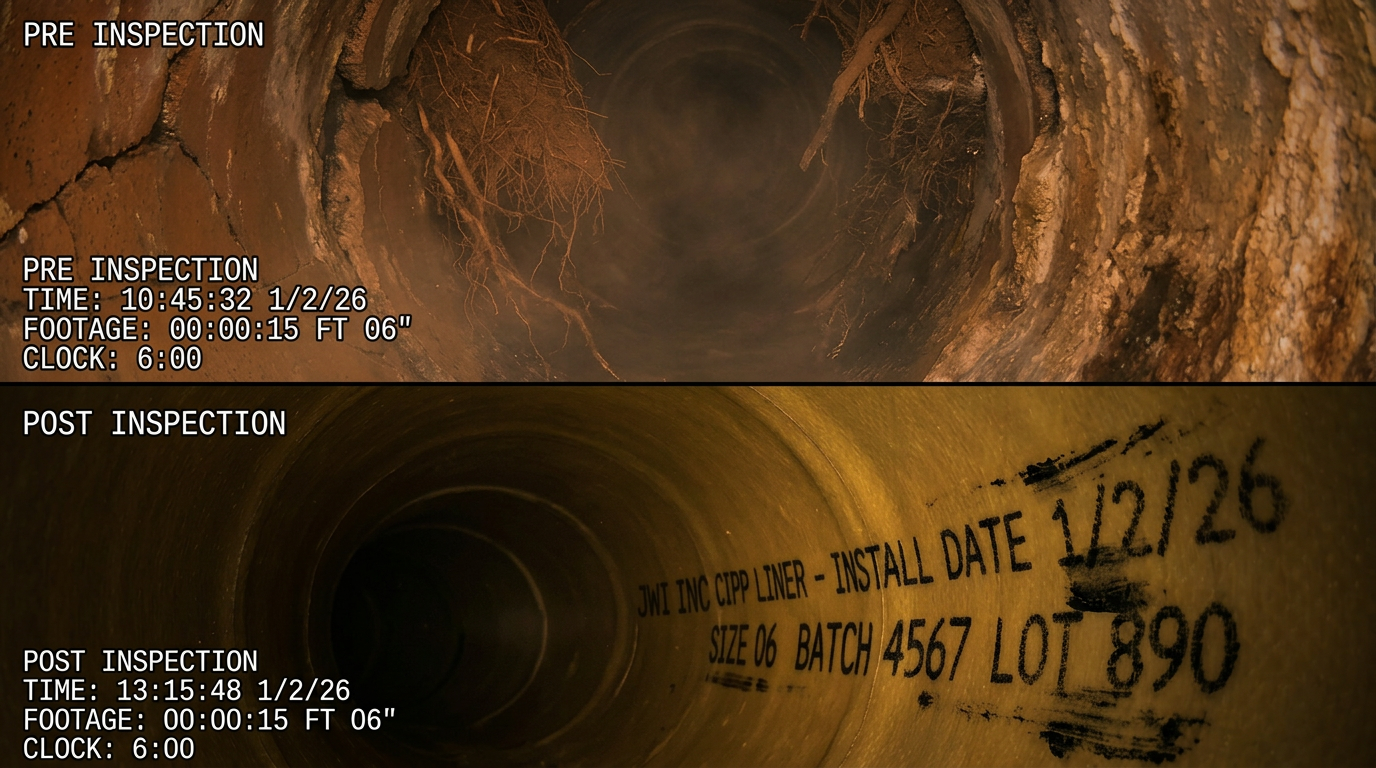
If erosion, leaning panels, voids, leakage, or landward settlement point to a failing bulkhead or seawall, send JWI photos, wall details, access constraints, and any engineer notes. We can review the condition and discuss whether grout injection, soil stabilization, void filling, concrete repair, or another path may be appropriate.