
Commercial sewer camera inspection helps you plan the next step.
We inspect accessible commercial sewer interiors with CCTV, coordinate municipal pipe surveys and connect visible findings with your next cleaning or repair decision.
- Accessible sewer interiors
- Commercial and municipal CCTV
- Visible defect review
- Footage limits explained
Specialty field contractor; engineer-directed scopes where applicable; serving CT, NY, NJ, PA, and MA commercial properties.
Specialty field contractor; engineer-directed scopes where applicable; serving CT, NY, NJ, PA, and MA commercial properties.
Your recurring sewer problem may need a clearer view.
We review the affected line, earlier work and available access before planning a camera inspection.
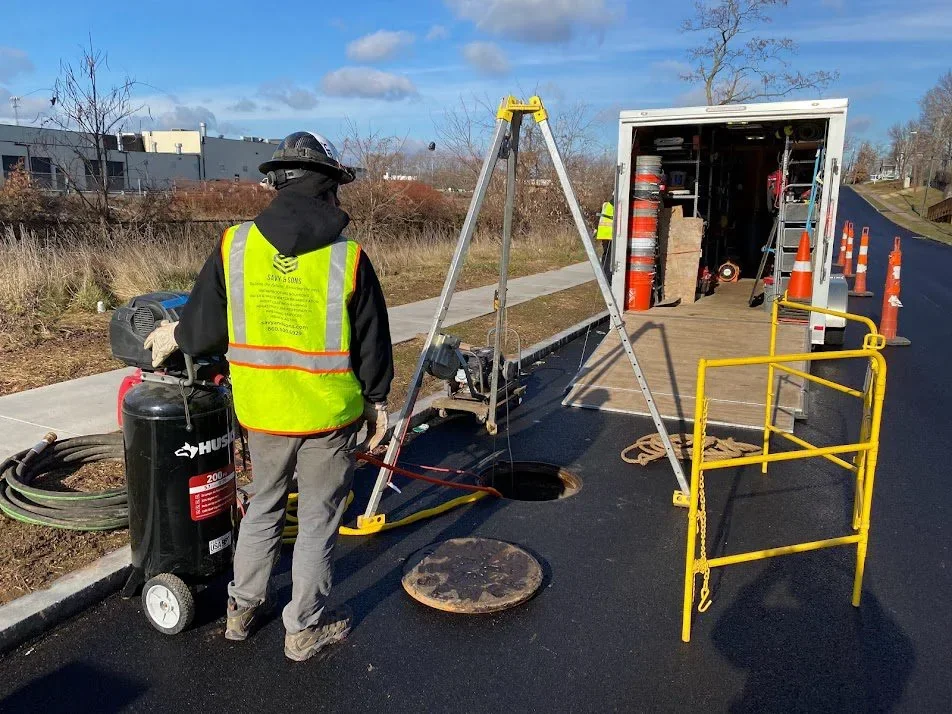
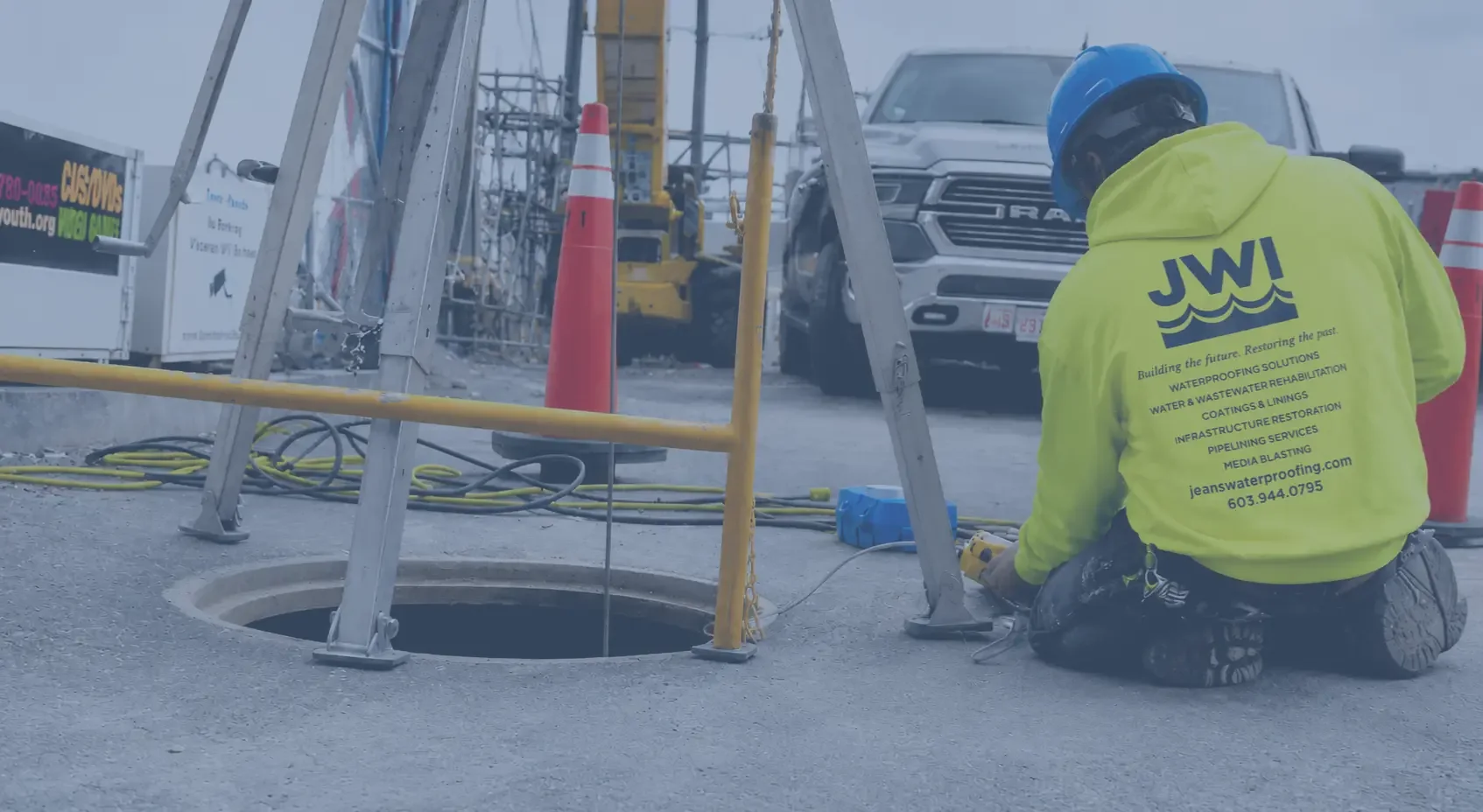
- Your sewer backs up after earlier cleaning. A recurring blockage can leave you uncertain about the condition beyond the access point. We use CCTV where the line is accessible to look for remaining obstruction and visible pipe defects.
- You need to understand your cast iron or clay pipe's condition. The pipe material alone does not tell you whether cleaning, lining or repair is appropriate. We review visible corrosion, roots, joints and damage before discussing the repair options.
- You have footage but need to plan sewer work. Your repair scope needs to account for the visible defects and how the line can be reached. Send your existing footage and site details so we can review the available evidence and any inspection gaps.
How we review the visible condition of your sewer.
A useful camera view depends on access and visibility. We connect what the footage shows with the line records and the reason you need it inspected.
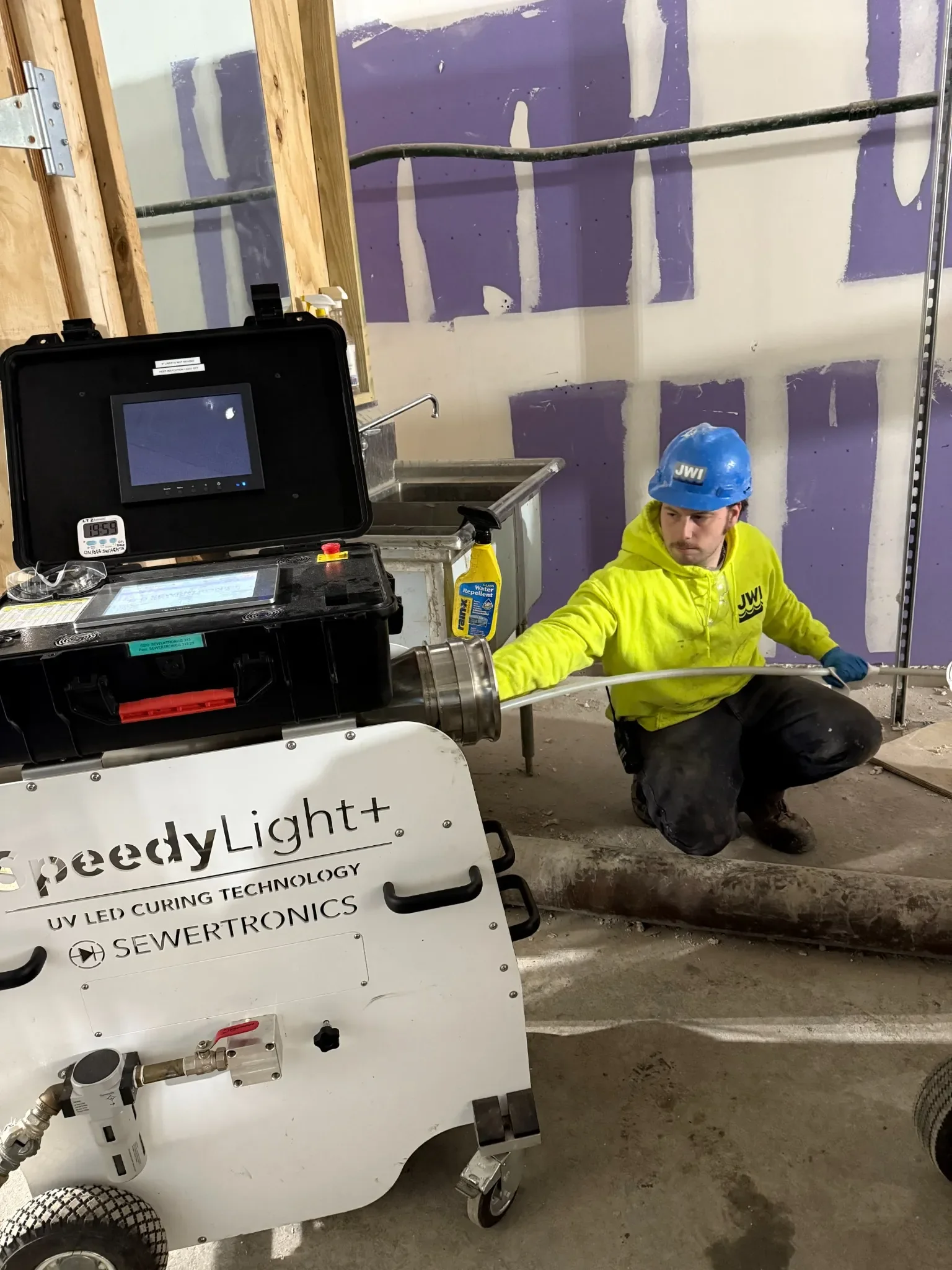
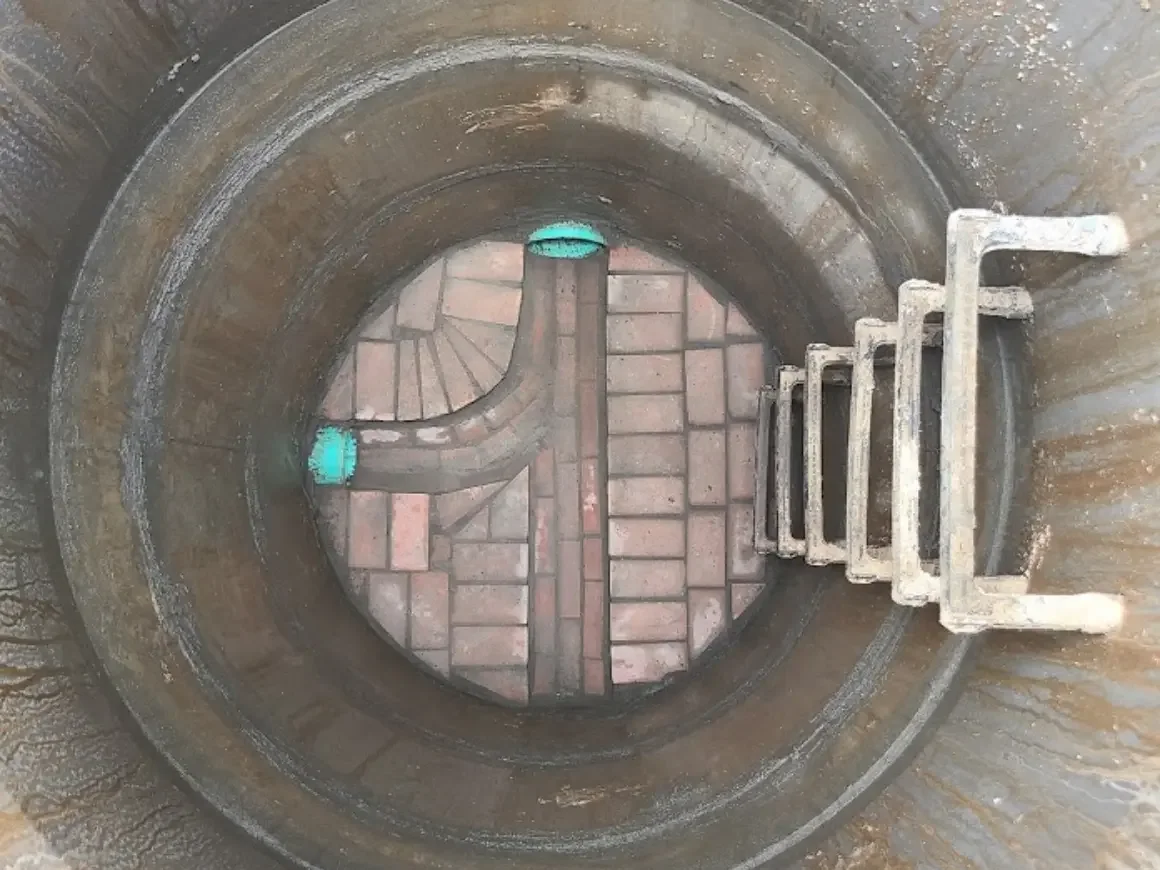
When you see this
Your sewer backs up after earlier cleaning.
JWI handles this by reviewing the affected line and CCTV access to distinguish remaining obstruction from visible pipe damage.
- Line identification
- CCTV access
- Defect review
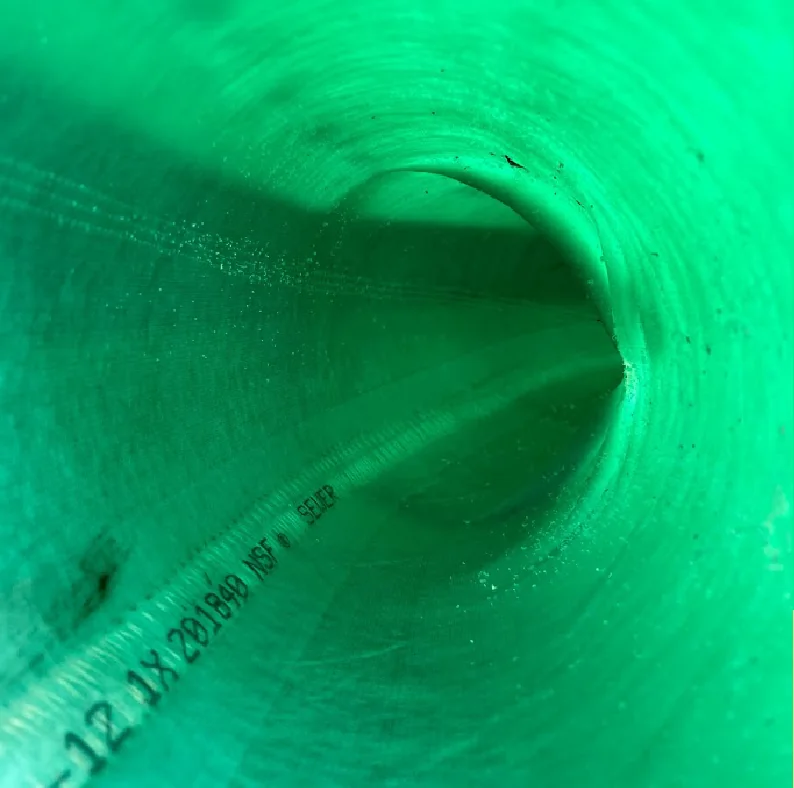
When you see this
Your utility team needs a view of a collection main.
JWI handles this by coordinating the inspection segment, manhole access and any cleaning needed for useful municipal sewer footage.
- Segment review
- Manhole access
- Cleaning assessment
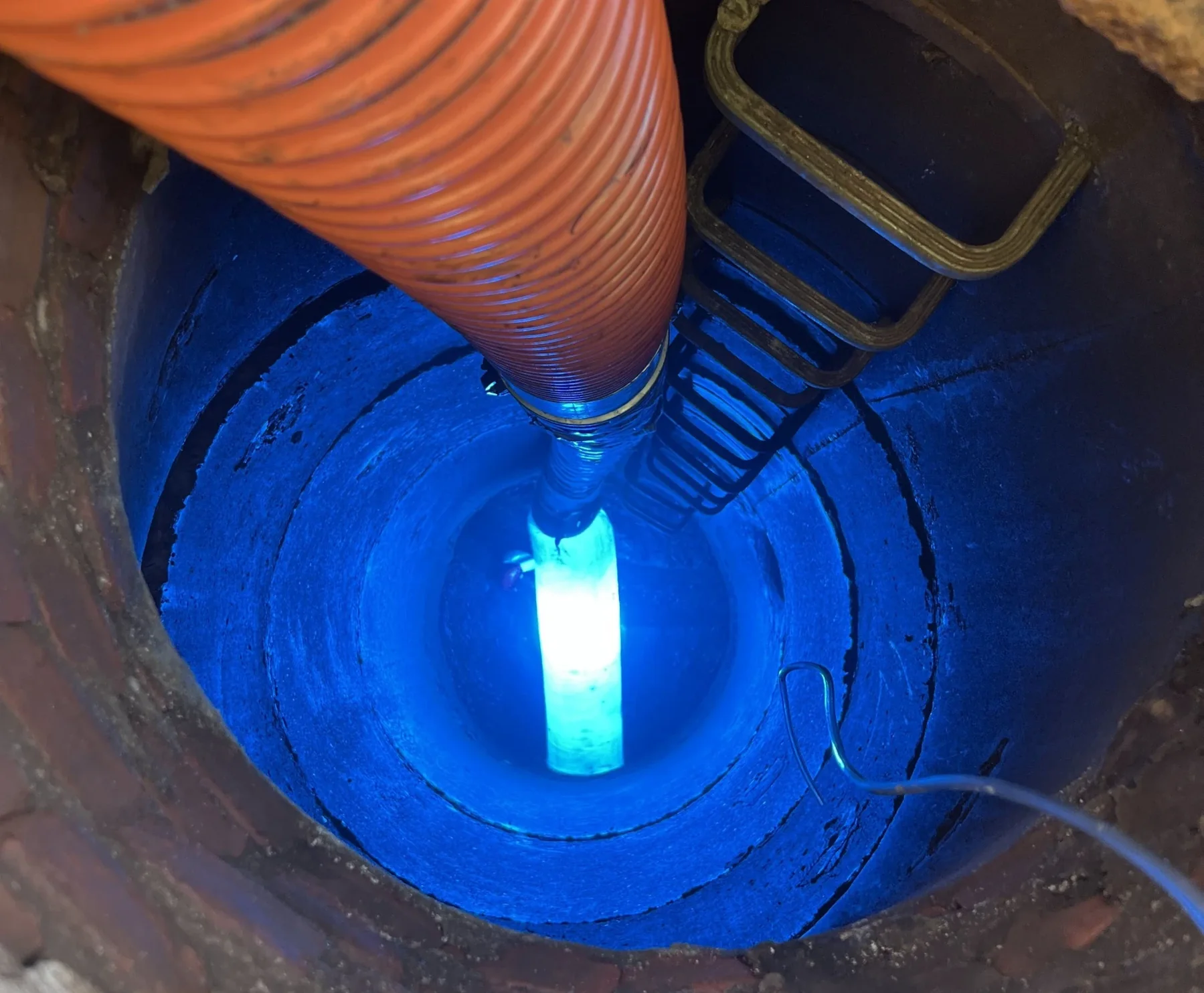
When you see this
Water or debris obscures the camera view.
JWI handles this by identifying the visibility limit and reviewing further preparation or another access point before drawing conclusions about the unseen segment.
- Visibility review
- Preparation planning
- Access review
When you see this
Existing footage has not defined your next repair step.
JWI handles this by reviewing visible findings with pipe records, prior work and site constraints to identify what can be planned and what still needs investigation.
- Footage review
- Line records
- Scope assessment

Contact JWI
Send the line and inspection purpose.
Include access photos, line identification, previous cleaning and a link to existing footage so we can discuss the inspection scope.
Specialty field contracting for commercial, municipal, and infrastructure properties.
Jump to project inquiry formWe plan commercial sewer camera inspection around access and visibility.
Commercial sewer camera inspection starts with the line you need to understand. Building sewer pipe inspection can show visible roots, damaged joints, corrosion or an obstruction along the accessible path. We review the recurring symptoms, pipe use and available cleanouts before planning CCTV sewer inspection for your commercial property.
A sewer video camera inspection depends on a useful view. Standing water, debris, bends and obstructions can limit how much of the interior is visible. Cleaning or another access point may be needed before the affected segment can be inspected. A camera view does not establish the concealed ground or every condition outside the pipe.
Send the affected line location, symptoms, previous cleaning and access photos. If you have existing footage, paste a link in the inquiry description and upload related reports or drawings. We review what the available view can show before discussing further inspection, cleaning or repair.
Engineering design, structural determinations, geotechnical engineering opinions, and regulatory interpretations should be provided by the appropriate licensed professionals when required.
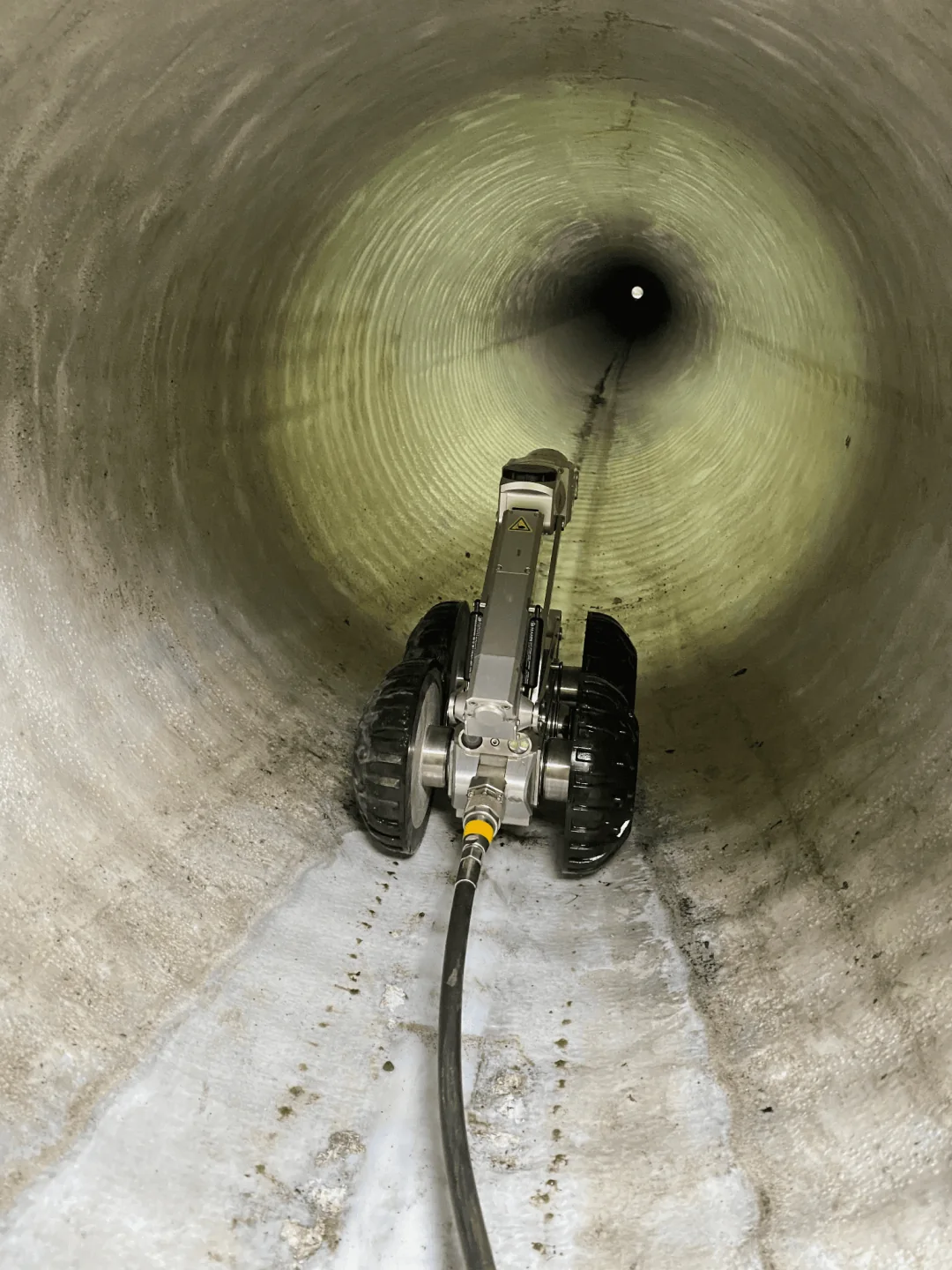
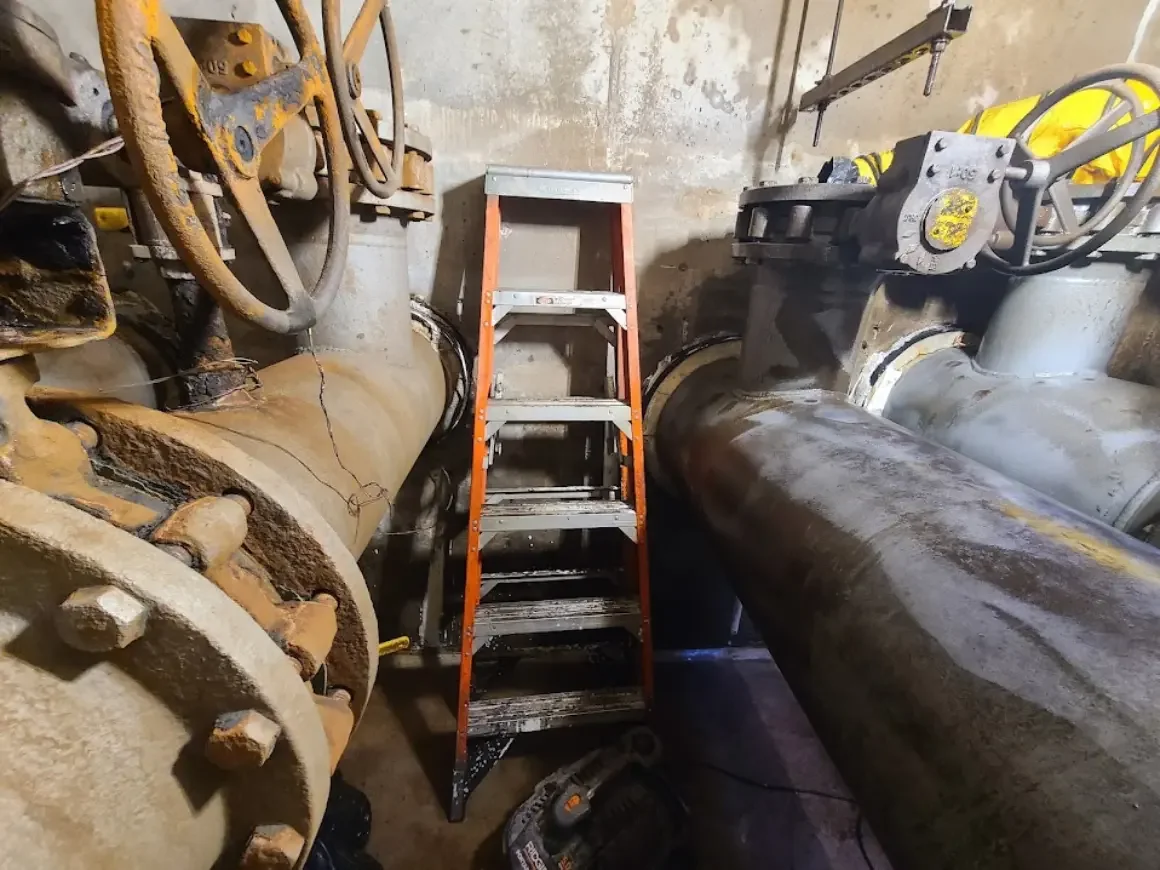
We connect the camera findings with the next investigation.
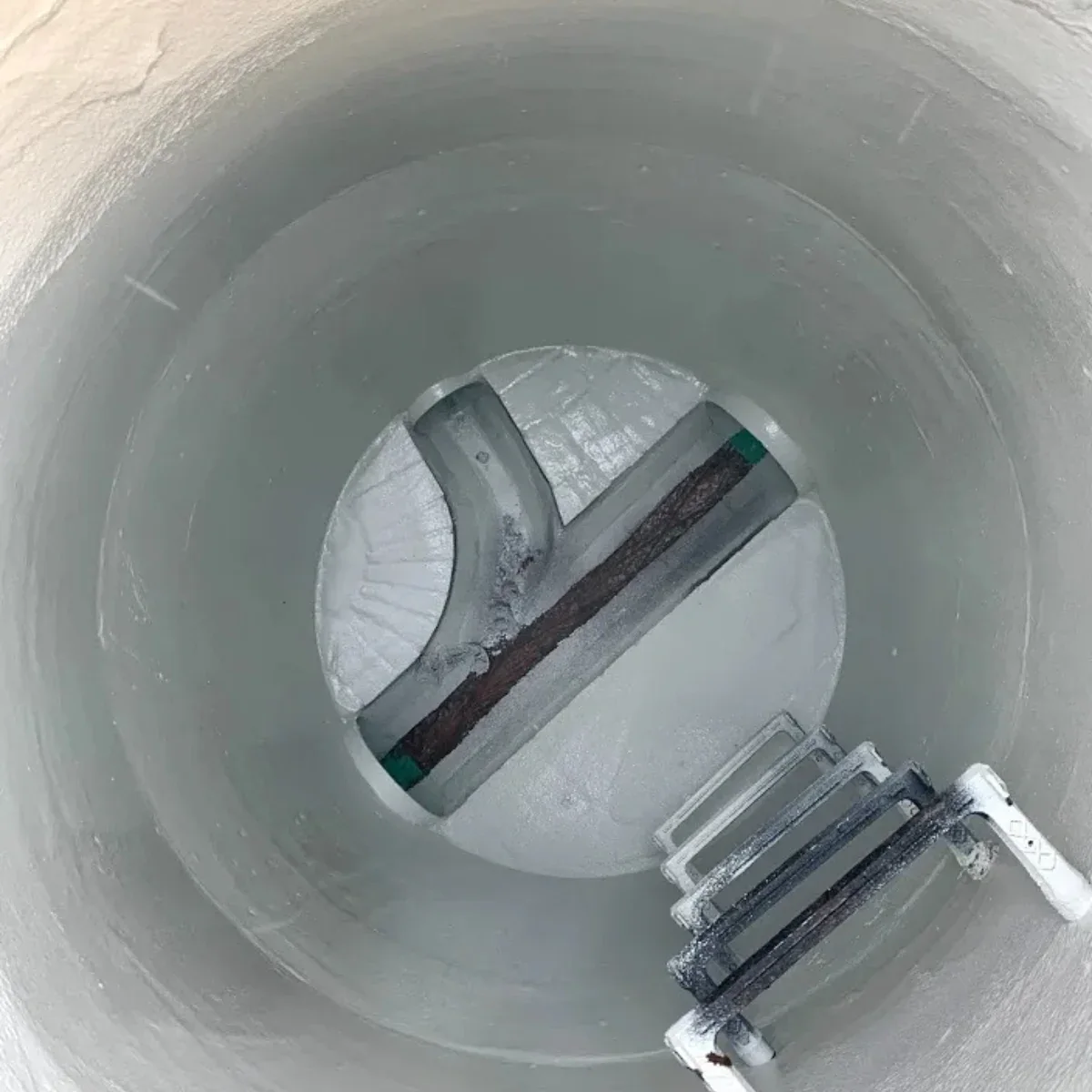
| Condition | Structure or environment | Possible service path | Notes |
|---|---|---|---|
| Your line has recurring blockages. | Building drain or sewer lateral | CCTV review after access and cleaning assessment | We need a clear enough view to distinguish blockage from visible damage. |
| Your footage shows roots or damaged joints. | Clay, cast iron or other sewer pipe | Review the visible defect and repair access | We discuss whether further inspection, localized repair or lining fits the condition. |
| Your repair scope is not yet defined. | Commercial or municipal sewer | Inspect the accessible line and review site constraints | We coordinate with your project team; required engineering remains a separate professional scope. |
We plan how to reach and view your sewer interior.
Cleanouts, manholes, water and obstruction affect what the camera can show. We review preparation needs before assuming the full segment can be inspected.
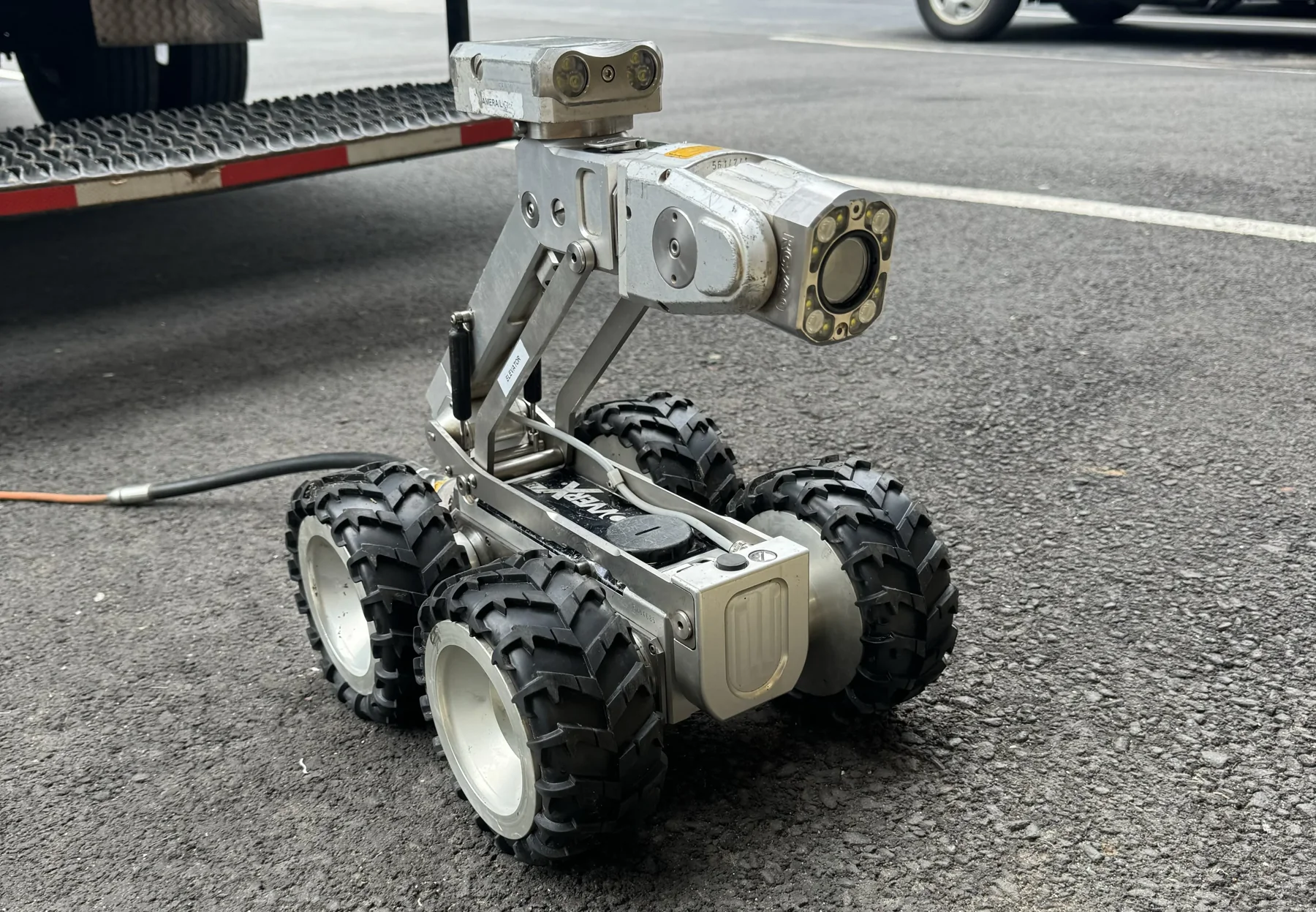
- We review cleanouts, manholes and other available access.
- We inspect the accessible pipe interior with CCTV.
- We discuss visible obstruction, roots, joints, corrosion and damage.
- We identify where an incomplete view needs further investigation.
We coordinate CCTV access around the sewer you need reviewed.
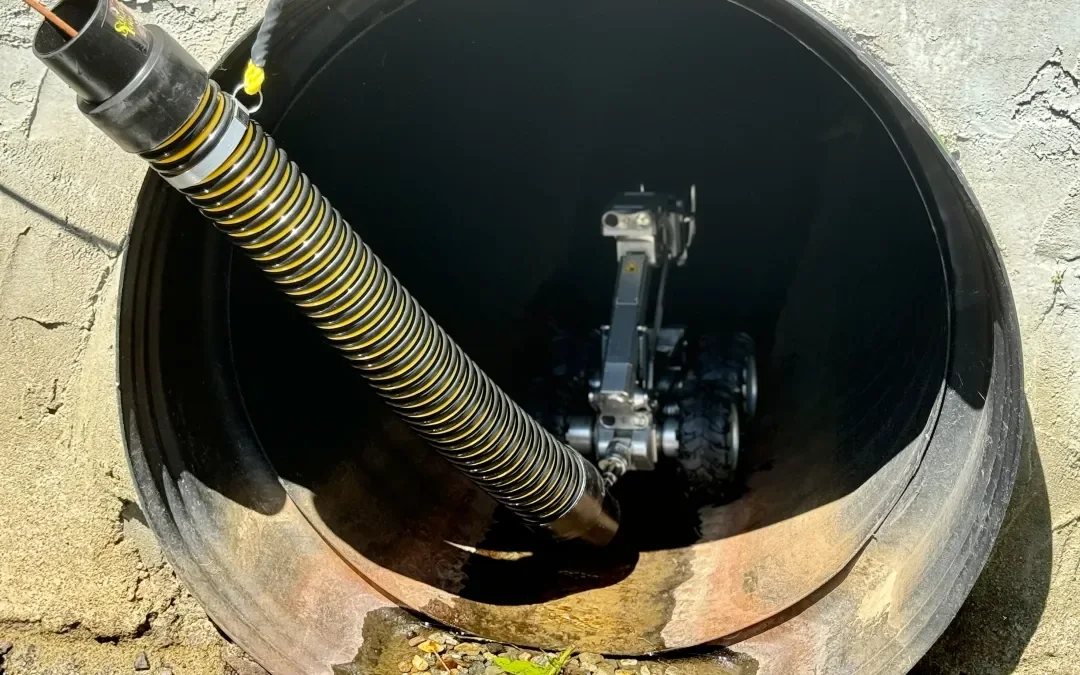
- We inspect sewer laterals serving your commercial building.
- We review shared sewer lines with your multi-unit property team.
- We inspect accessible lines at your campus or industrial facility.
- We coordinate sewer-main inspection with your municipal or utility team.
We coordinate municipal CCTV pipe inspection with your utility team.
Municipal CCTV pipe inspection covers accessible collection-system mains where the authority needs to understand visible obstruction or defects. A municipal CCTV pipe survey or municipal sewer televising scope begins with line identification, the segment to be inspected and available manhole access.
We coordinate access and operating constraints with public works or utility staff, then review whether cleaning is needed for visibility. Roots, joint defects, corrosion and obstruction are considered within the actual camera view. Standing water or inaccessible sections may leave gaps that need further investigation.
Send collection-system line records, known manholes, prior footage and the reason for the survey. We provide inspection findings for the field review; formal condition coding, engineering design and regulatory determinations remain with the appropriate project professionals when required.
Information for your CCTV survey
- Your property location and affected line
- Your available cleanouts or manholes
- Your existing footage or reports
- Your pipe material and size, if known
- Your access and operating constraints
We review access, inspect the visible interior and discuss the findings.
- 01
Tell us which line is affected.
Share your property location, symptoms and any footage or previous work records.
- 02
We review your access and inspection needs.
We discuss how the pipe can be reached and whether cleaning is needed for a useful view.
- 03
We inspect the accessible pipe interior.
We look for visible obstruction and defects along the inspection path.
- 04
We discuss what the findings mean for your line.
We explain the visible condition, any remaining uncertainty and the next step for cleaning or repair.
We base sewer condition assessment on visible findings and their limits.
Sewer condition assessment uses visible CCTV findings alongside the pipe material, access and work history. A sewer pipe condition survey can help distinguish buildup from a damaged joint or corroded section. We review the footage and its limits before discussing the next cleaning, localized repair or rehabilitation step.
For a municipal sewer assessment or commercial building review, line records and earlier cleaning can explain what the camera currently shows. An incomplete or obscured view may call for preparation or further inspection; it does not justify a complete structural conclusion about the sewer or surrounding ground.
Send footage, line identification, pipe details and prior work records so the discussion is tied to the affected segment. JWI provides specialty field inspection and repair planning; the camera review does not supply engineering design or certified condition grades.
- We discuss what we can see in your line.
- We explain when cleaning and repair address different problems.
- We plan access with your property or facility team.
Serving CT, NY, NJ, PA, and MA Commercial Properties
JWI supports commercial, municipal, industrial, institutional, and infrastructure properties across Connecticut, New York, New Jersey, Pennsylvania, and Massachusetts. Our work is suited for facilities where water intrusion, soil loss, slab movement, voids, concrete deterioration, or below-grade infrastructure failure can disrupt operations, create safety concerns, or increase long-term repair costs.
For sewer CCTV work in Connecticut, New York, New Jersey, Pennsylvania or Massachusetts, send the affected building line or collection-system segment, available access and inspection purpose.
View the service area for CT, NY, NJ, PA, and MA commercial propertiesReview related cleaning and repair work for your sewer.
We explain what a sewer camera can show and what it cannot.
Tell us what is happening in your sewer or drain.
We inspect accessible commercial sewer interiors with CCTV, coordinate municipal pipe surveys and connect visible findings with your next cleaning or repair decision.
- Your property or collection-system location
- The affected line and inspection purpose
- Known cleanouts, manholes and access limits
- Reports, line records and a link to existing footage