Joint and Penetration Sealing Systems
Many below-grade leaks do not come through open wall surfaces. They follow joints, penetrations, conduits, sleeves, and interfaces between materials. JWI may use injection grouts, sealants, waterstops, and compatible detailing methods where appropriate to help control water movement at these paths.
- Cold and construction joints
- Pipe and conduit penetrations
- Sleeve and interface details
- Injection and sealant systems
Serving CT, NY, NJ, PA, and MA Commercial Properties
Joint and penetration sealing
Joint and penetration sealing systems address water movement at discontinuities in below-grade construction: where concrete meets concrete, where pipes pass through walls, and where sleeves, conduits, or embeds create interfaces that water can follow.
Approaches may include chemical grout injection, compatible sealants, waterstop repair or retrofit concepts, and surface preparation before applied systems, depending on joint type, movement, and exposure.
Effective sealing depends on identifying the actual path water follows. JWI provides field execution of sealing and injection scopes, not design of waterproofing details unless directed by project specifications.
Commercial & Infrastructure Applications
- Cold joints and construction joints in below-grade walls and slabs
- Control joints where water intrusion is observed
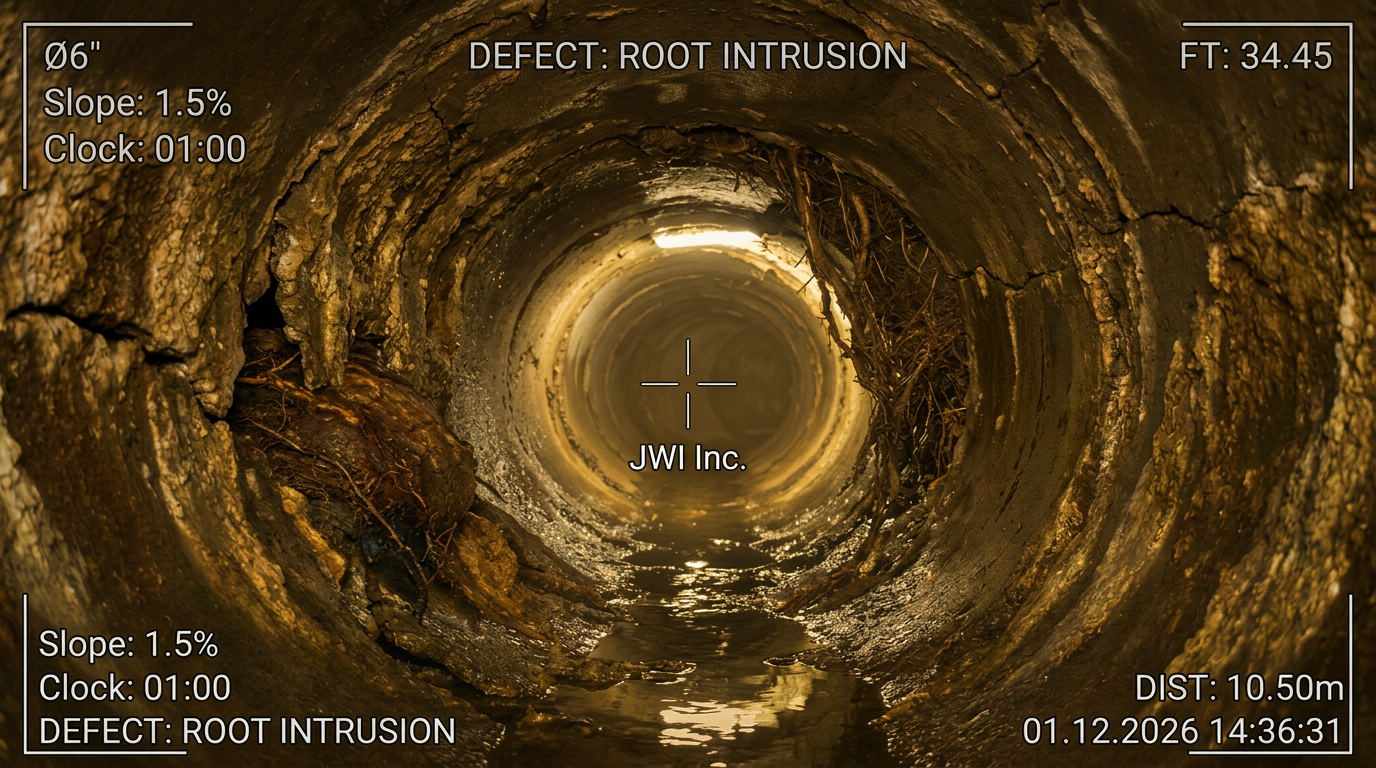
- Pipe penetrations through foundation and retaining walls
- Utility conduits and electrical sleeves
- Elevator pits at wall-to-slab and penetration interfaces
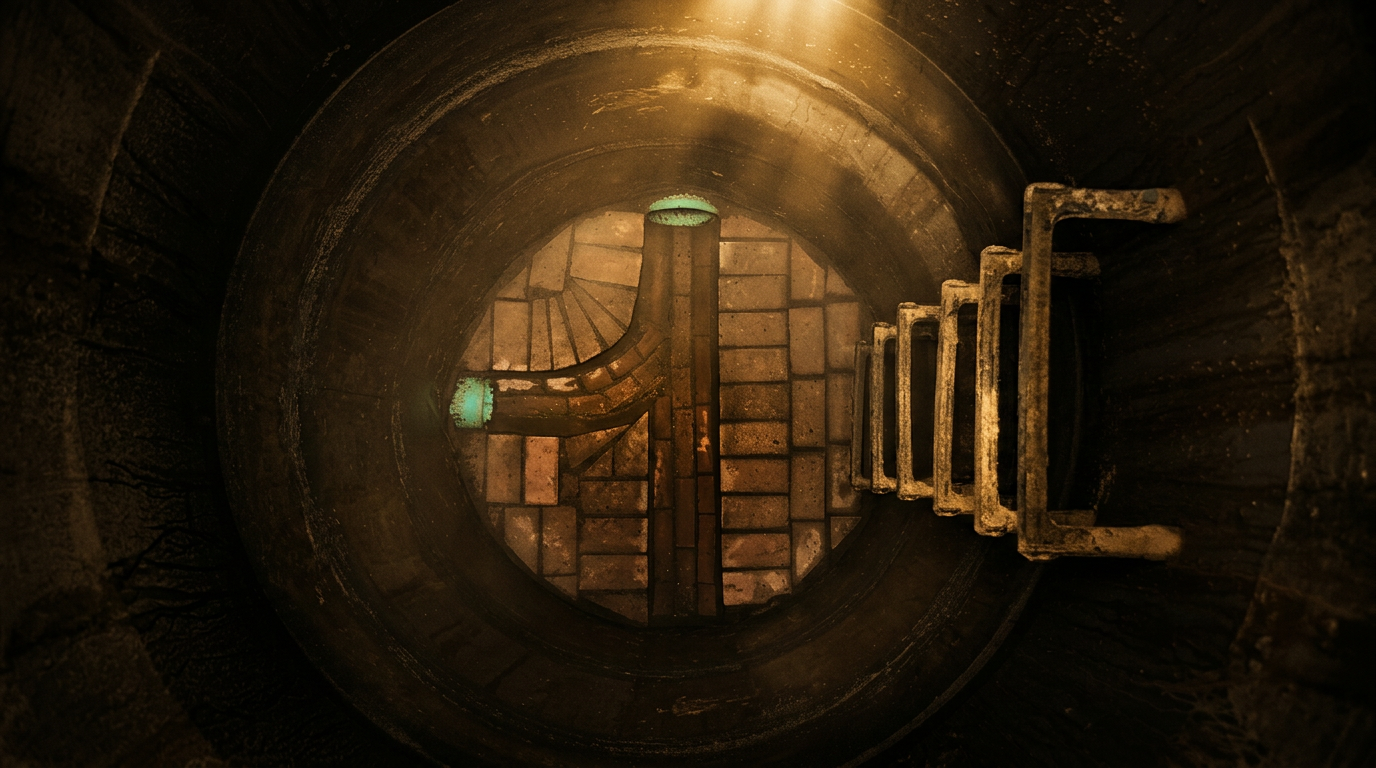
- Manholes, vaults, and tunnel joints
- Foundation walls at material transitions
What Problems It Helps Address
- Seepage concentrated at joints rather than general wall dampness
- Water tracking along penetrations and leaving stains away from the pipe entry
- Recurring leaks at sleeves after surface patch repairs
- Cold joint infiltration in new or aging below-grade construction
- Interface leakage between precast and cast-in-place elements
When This System May Be Appropriate
Joint and penetration conditions vary. Rigid joints, moving joints, and active penetrations each influence method selection. JWI may consider:
- Injection grouting: hydrophilic or hydrophobic polyurethane where crack or joint injection fits the path
- Compatible sealants and detailing products where surface-access sealing is specified
- Surface preparation before sealant or coating application at accessible interfaces
- Cementitious repair where joint edges are deteriorated before sealing
- Engineer-specified waterstop retrofit or detailing where applicable
Limitations & Selection Factors
- Substrate condition at joint faces: spalls and laitance reduce seal effectiveness
- Active water: flow may require injection sequencing before surface sealants
- Movement: working joints need flexible systems. Rigid-only approaches may fail.
- Penetration geometry: multiple conduits and tight sleeves limit access
- Water chemistry and effluent exposure at utility penetrations
- Access: occupied buildings and confined pits constrain method choice
- Cure time and return-to-service for sealants and injected materials
- Compatibility between sealant, grout, coating, and existing repairs
- Structural modifications at penetrations require engineering direction
- Manufacturer instructions and project specifications where applicable
Material selection depends on field conditions, product requirements, substrate condition, exposure, and engineer direction where applicable. JWI provides specialty field contracting services, not engineering design or regulatory determinations.
Serving CT, NY, NJ, PA, and MA Commercial Properties
JWI supports commercial, municipal, industrial, institutional, and infrastructure properties across Connecticut, New York, New Jersey, Pennsylvania, and Massachusetts. Our work is suited for facilities where water intrusion, soil loss, slab movement, voids, concrete deterioration, or below-grade infrastructure failure can disrupt operations, create safety concerns, or increase long-term repair costs.
View the service area for CT, NY, NJ, PA, and MA commercial propertiesFrequently Asked Questions
Discuss a Joint or Penetration Leak
Send location, photos, and penetration or joint details so JWI can review sealing or injection approaches that may be appropriate.
- Site location and structure involved
- Photos or video of the condition
- Whether water is active or intermittent
- Drawings, specifications, or reports if available
- Access constraints and confined-space considerations
- Schedule or shutdown window if applicable