
Chemical Grouts for Water Control and Infiltration
Chemical grouting is a broad category. The correct grout depends on water behavior, soil conditions, crack or joint geometry, substrate, access, and project requirements. JWI may use polyurethane, acrylic, and other injection materials where appropriate. Not every grout type fits every condition.
- Crack and joint injection
- Permeation and curtain concepts
- Soil-adjacent water control
- Product-specific placement
Serving CT, NY, NJ, PA, and MA Commercial Properties
Chemical grouting
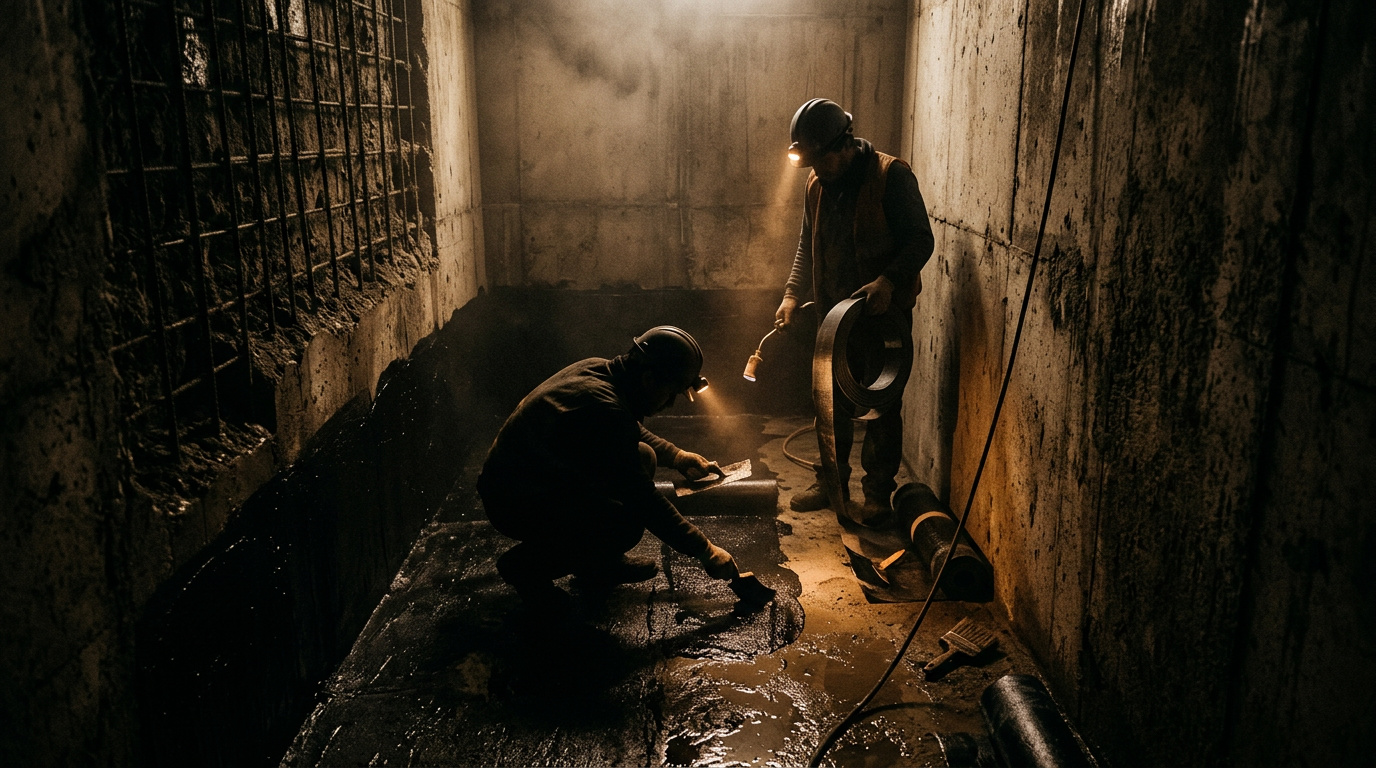
Chemical grouts are specialty injection materials placed into cracks, joints, voids, or soil-adjacent zones to interrupt water movement, fill infiltration pathways, or address permeation-related conditions where specifications allow.
The category includes hydrophobic and hydrophilic polyurethane grouts, acrylic grouts where applicable, and other resin or cementitious injection systems selected for the specific field condition. This is not a single universal product.
JWI coordinates chemical grout placement as field contracting work. Material selection follows site review, product data, manufacturer instructions, and engineer specifications where provided.
Commercial & Infrastructure Applications
- Below-grade crack and joint injection
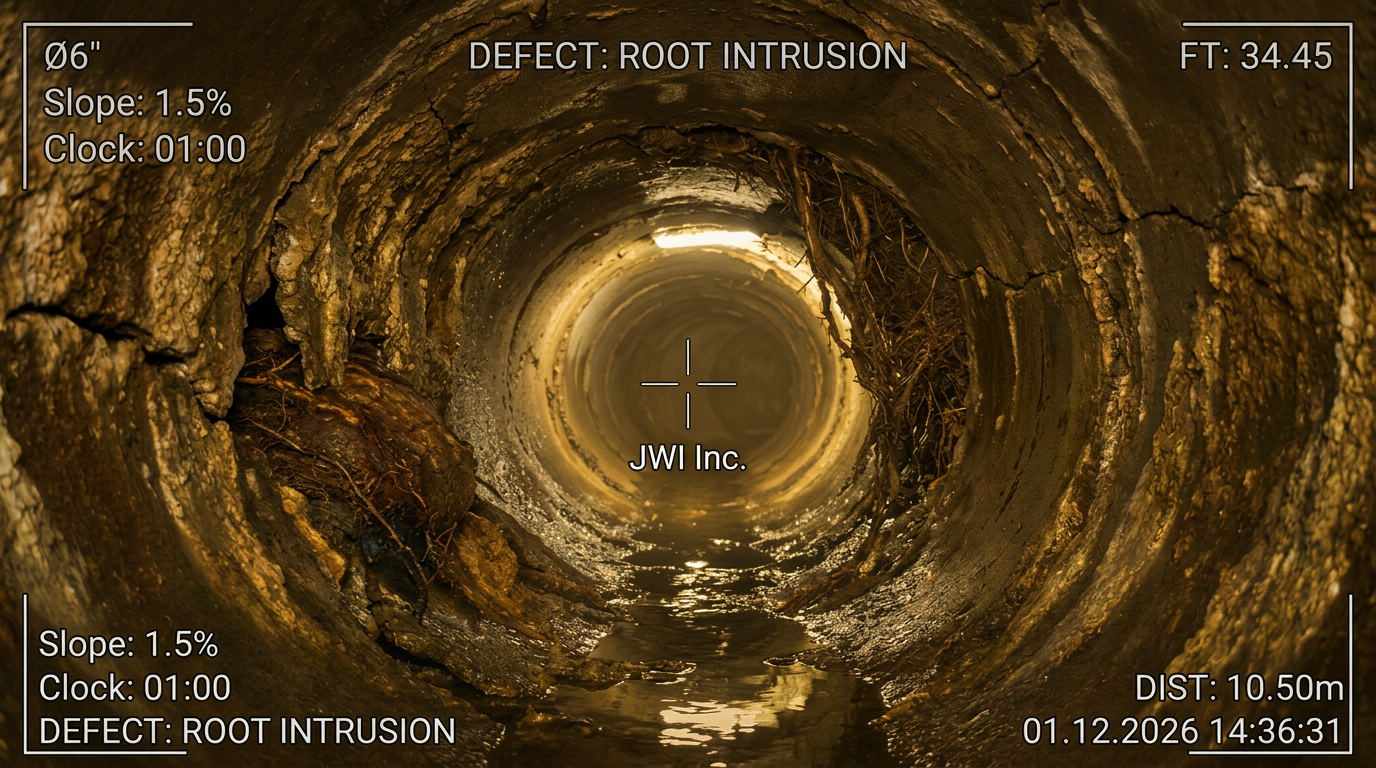
- Manhole, vault, and utility structure infiltration
- Permeation grouting where specified for soil or rock zones
- Curtain grouting adjacent to foundations or tunnels where appropriate
- Soil and water pathway control near commercial and infrastructure structures
- Void and cavity filling along infiltration routes
- Targeted leakage paths at penetrations and cold joints
What Problems It Helps Address
- Groundwater or surface water infiltration through undefined pathways
- Active or recurring leaks at cracks, joints, and penetrations
- Soil-adjacent water movement toward below-grade structures
- Utility structure inflow and exfiltration concerns
- Void or loose zones contributing to water migration or support loss
When This System May Be Appropriate
Chemical grout type selection depends on whether the goal is active leak sealing, flexible joint sealing, rigid crack bonding, soil permeation, or void filling. Examples of when different families may be considered:
- Active water and water-bearing voids: hydrophobic polyurethane may be considered
- Wet cracks and moving joints: hydrophilic polyurethane may be considered
- Sound, non-moving cracks: epoxy injection may be directed where applicable
- Specified permeation or curtain work: product and hole layout per engineer requirements
- Large void fill or lightweight backfill: LDCC or other fill materials may be specified instead of resin grout
Limitations & Selection Factors
- Substrate condition and whether pretreatment or rebuild is required
- Active water rate, source, and whether sequencing with other materials is needed
- Movement at joints and whether flexible or rigid materials are appropriate
- Soil type, gradation, and whether permeation or curtain grouting is feasible
- Water chemistry and compatibility with product and downstream systems
- Access for drilling, porting, and monitoring injection response
- Cure time, temperature, and return-to-service requirements
- Structural and environmental performance criteria per specifications
- Product compatibility with existing repairs and coatings
- Manufacturer instructions and engineer specifications where applicable
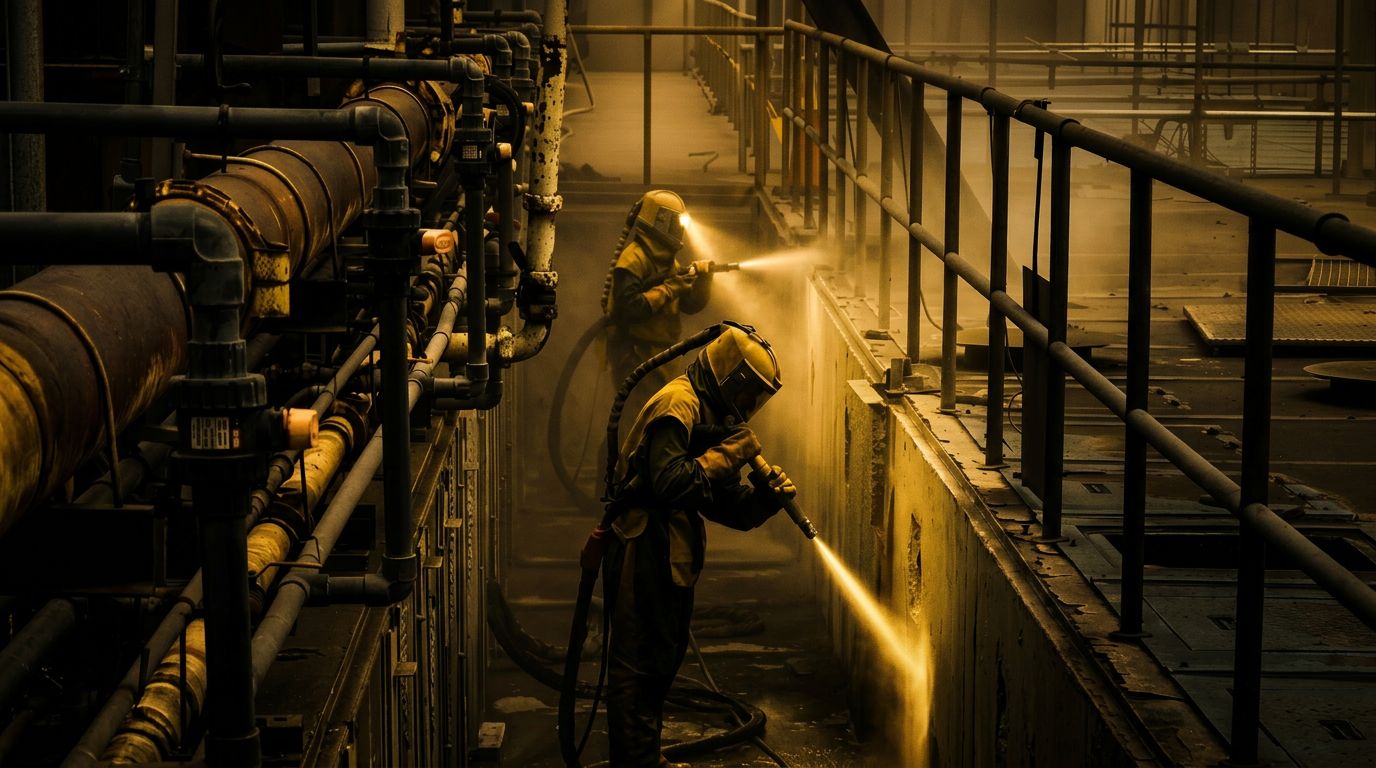
Material selection depends on field conditions, product requirements, substrate condition, exposure, and engineer direction where applicable. JWI provides specialty field contracting services, not engineering design or regulatory determinations.
Serving CT, NY, NJ, PA, and MA Commercial Properties
JWI supports commercial, municipal, industrial, institutional, and infrastructure properties across Connecticut, New York, New Jersey, Pennsylvania, and Massachusetts. Our work is suited for facilities where water intrusion, soil loss, slab movement, voids, concrete deterioration, or below-grade infrastructure failure can disrupt operations, create safety concerns, or increase long-term repair costs.
View the service area for CT, NY, NJ, PA, and MA commercial propertiesFrequently Asked Questions
Discuss a Grouting or Infiltration Condition
Share structure type, water behavior, and any specifications so JWI can review which chemical grouting approach may be appropriate.
- Site location and structure involved
- Photos or video of the condition
- Whether water is active or intermittent
- Drawings, specifications, or reports if available
- Access constraints and confined-space considerations
- Schedule or shutdown window if applicable