
Media Blasting for Surface Preparation
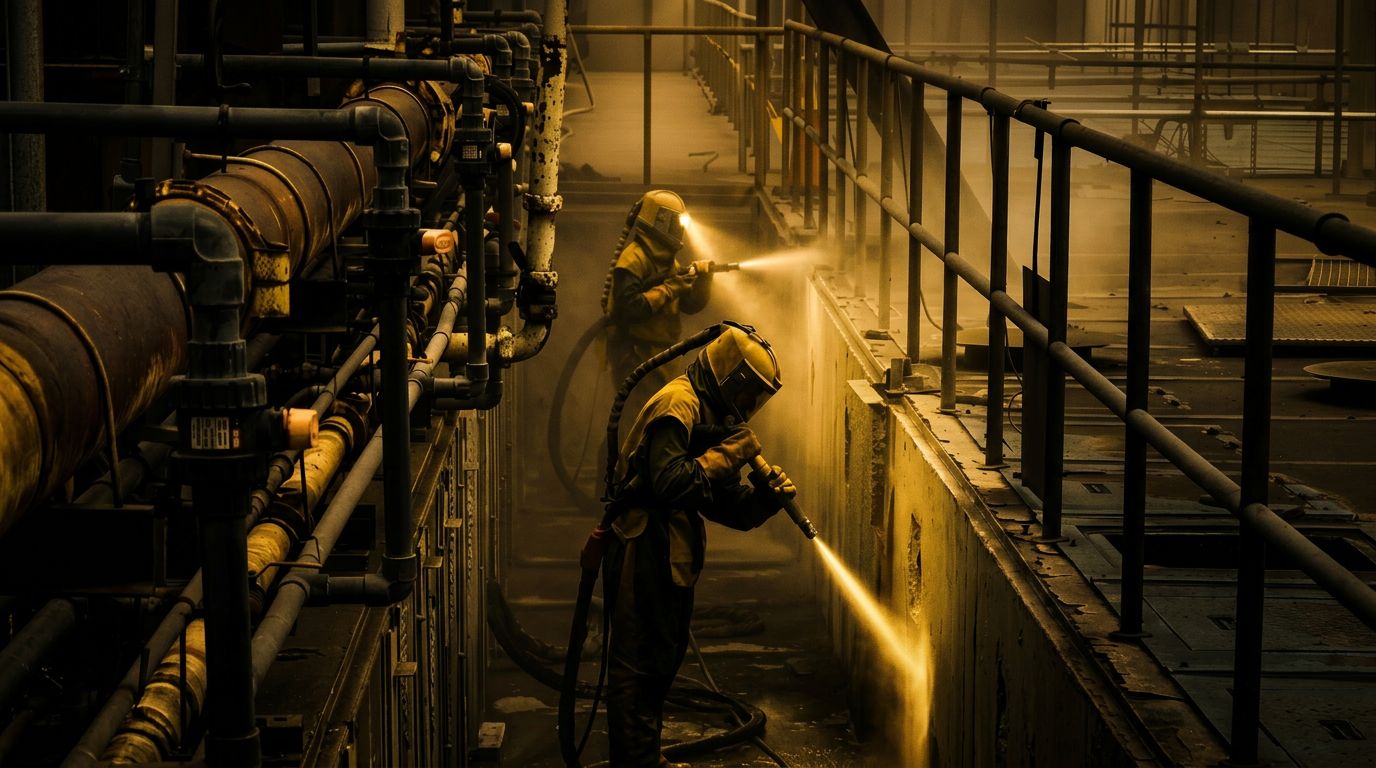
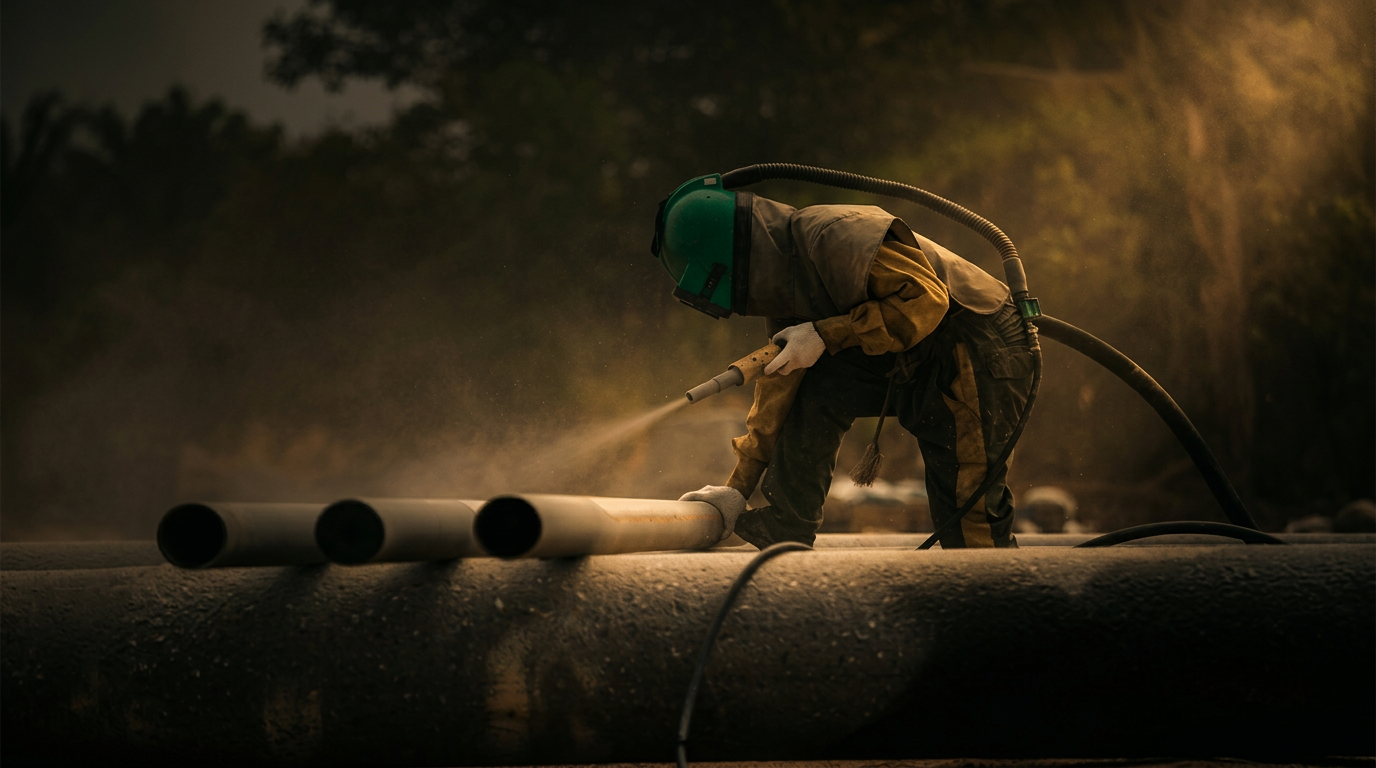
Media blasting may be used where specified to remove coatings, contamination, laitance, deterioration, or surface material and create a suitable profile for repair or protective system application. It is a surface preparation method, not a standalone repair. JWI may perform blasting when project requirements and site conditions allow.
- Coating and contamination removal
- Substrate profiling
- Specified prep method
- Containment where required
Serving CT, NY, NJ, PA, and MA Commercial Properties
Media blasting surface preparation
Media blasting uses propelled abrasive or non-abrasive media to clean and profile surfaces. It can remove existing coatings, laitance, and loosely adhered material more aggressively than washing alone when specifications call for this level of preparation.
Blasting is preparatory work. It does not restore section loss, seal leaks, or provide chemical barrier protection. Repair, leak control, and coatings or linings typically follow when the scope requires.
JWI may coordinate media blasting with containment, ventilation, and waste handling appropriate to the site, following safety requirements and environmental constraints.
Commercial & Infrastructure Applications
- Removal of failed coatings before re-application
- Substrate profiling for linings and high-performance coatings
- Wastewater structure interior preparation
- Tank and containment concrete surfaces
- Industrial concrete with contamination or scale
- Manhole and utility structure rehab prep
- Steel or concrete surfaces where appropriate and specified
What Problems It Helps Address
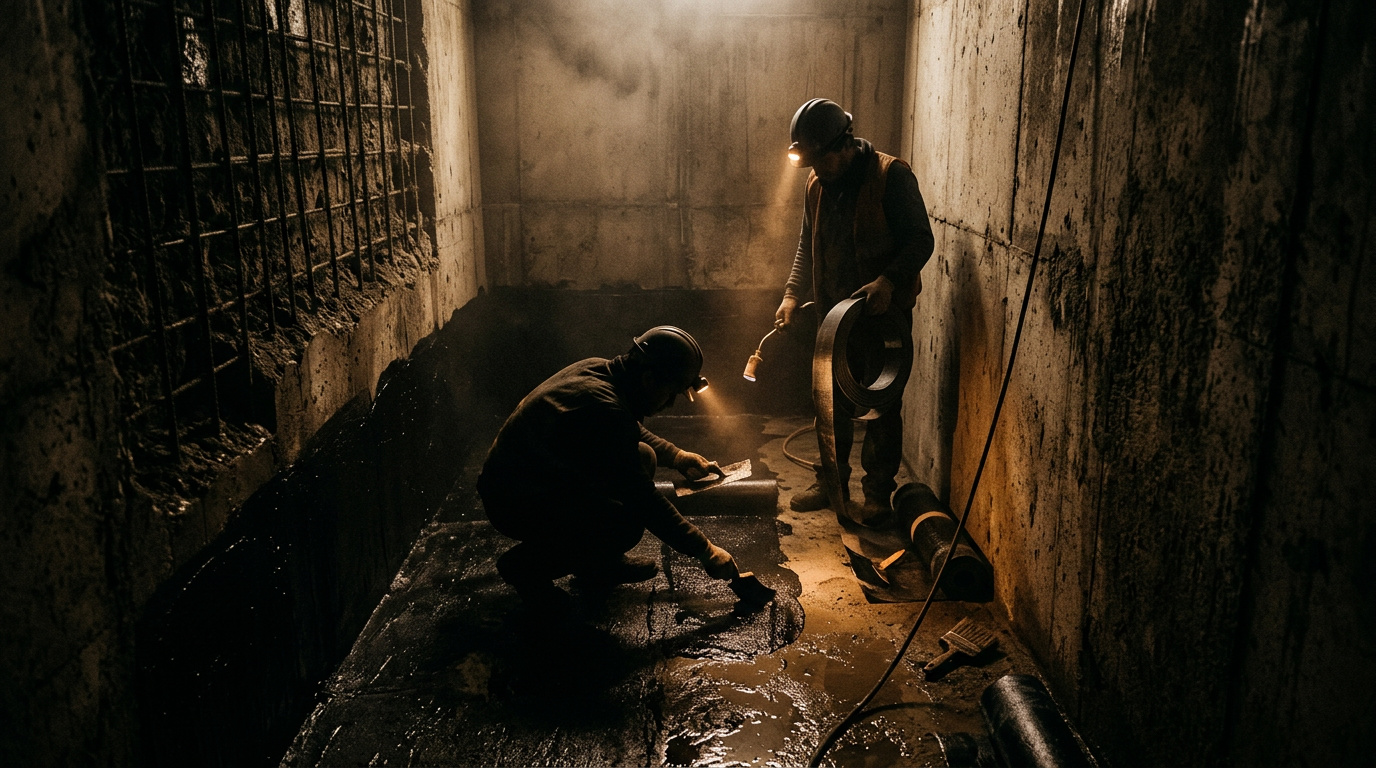
- Failed or incompatible existing coatings that must be removed
- Smooth or contaminated concrete that will not accept specified coatings
- Heavy laitance or weak surface paste on new or aged concrete
- Need for uniform profile across large interior surfaces
- Preparation requirements that mechanical washing cannot achieve
When This System May Be Appropriate
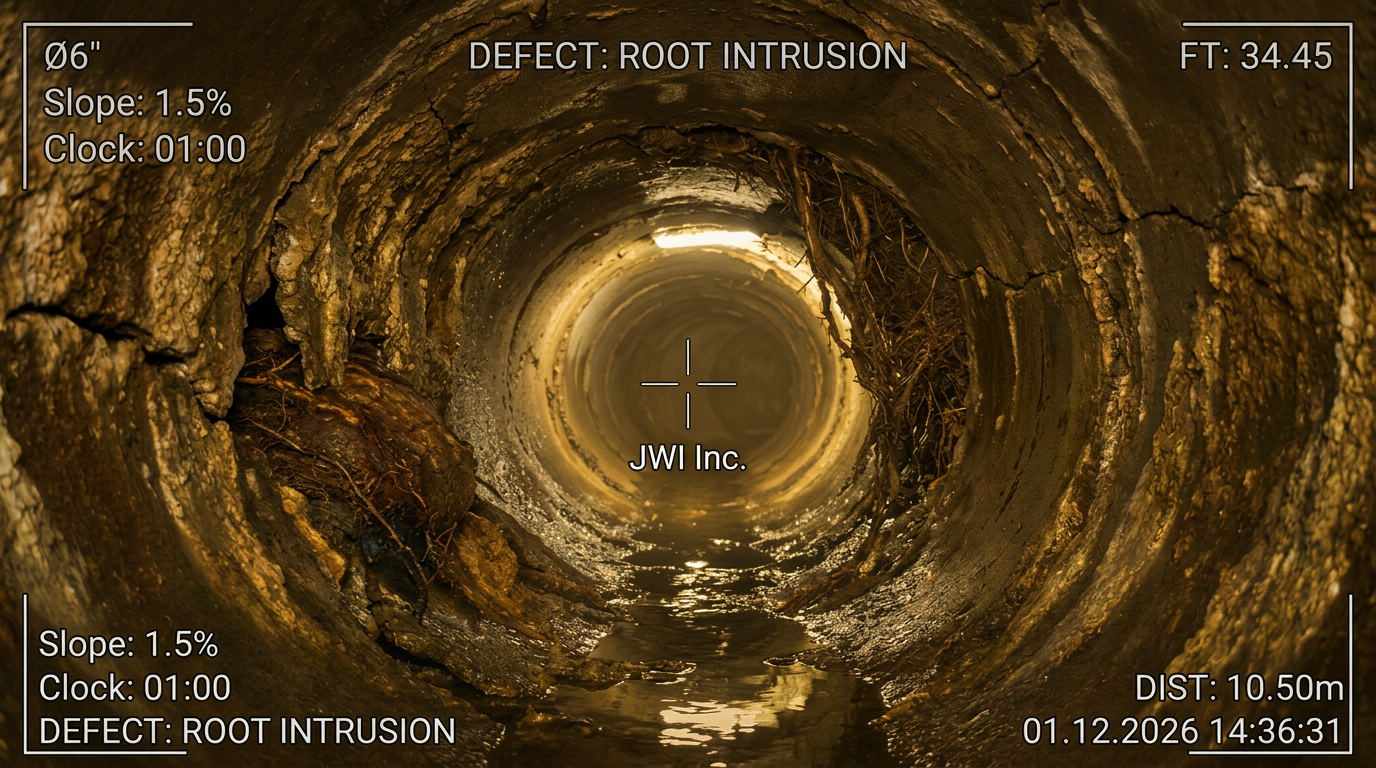
Media blasting may be appropriate when specifications require coating removal or a defined profile. Other preparation methods may suffice when:
- Light cleaning only is required. Pressure washing or grinding may be adequate.
- Substrate is too weak to tolerate abrasive impact. Alternative prep may be needed.
- Confined space or active facility constraints prohibit dust and media generation
- Hazardous coatings require abatement procedures beyond standard blasting
- Follow-on product accepts lower profile achievable with scarification only
Limitations & Selection Factors
- Media type selection affects profile, dust, and substrate damage risk
- Containment, ventilation, and debris recovery in occupied or sensitive sites
- Confined-space safety and respiratory protection
- Environmental disposal of spent media and removed coatings
- Noise and access for equipment setup
- Steel versus concrete: different media and pressure limits
- Hazardous materials in existing coatings: special protocols when present
- Post-blast cleaning and moisture before coating application
- Not a substitute for structural repair or leak control
- Manufacturer and specification requirements for resulting profile
Material selection depends on field conditions, product requirements, substrate condition, exposure, and engineer direction where applicable. JWI provides specialty field contracting services, not engineering design or regulatory determinations.
Serving CT, NY, NJ, PA, and MA Commercial Properties
JWI supports commercial, municipal, industrial, institutional, and infrastructure properties across Connecticut, New York, New Jersey, Pennsylvania, and Massachusetts. Our work is suited for facilities where water intrusion, soil loss, slab movement, voids, concrete deterioration, or below-grade infrastructure failure can disrupt operations, create safety concerns, or increase long-term repair costs.
View the service area for CT, NY, NJ, PA, and MA commercial propertiesFrequently Asked Questions
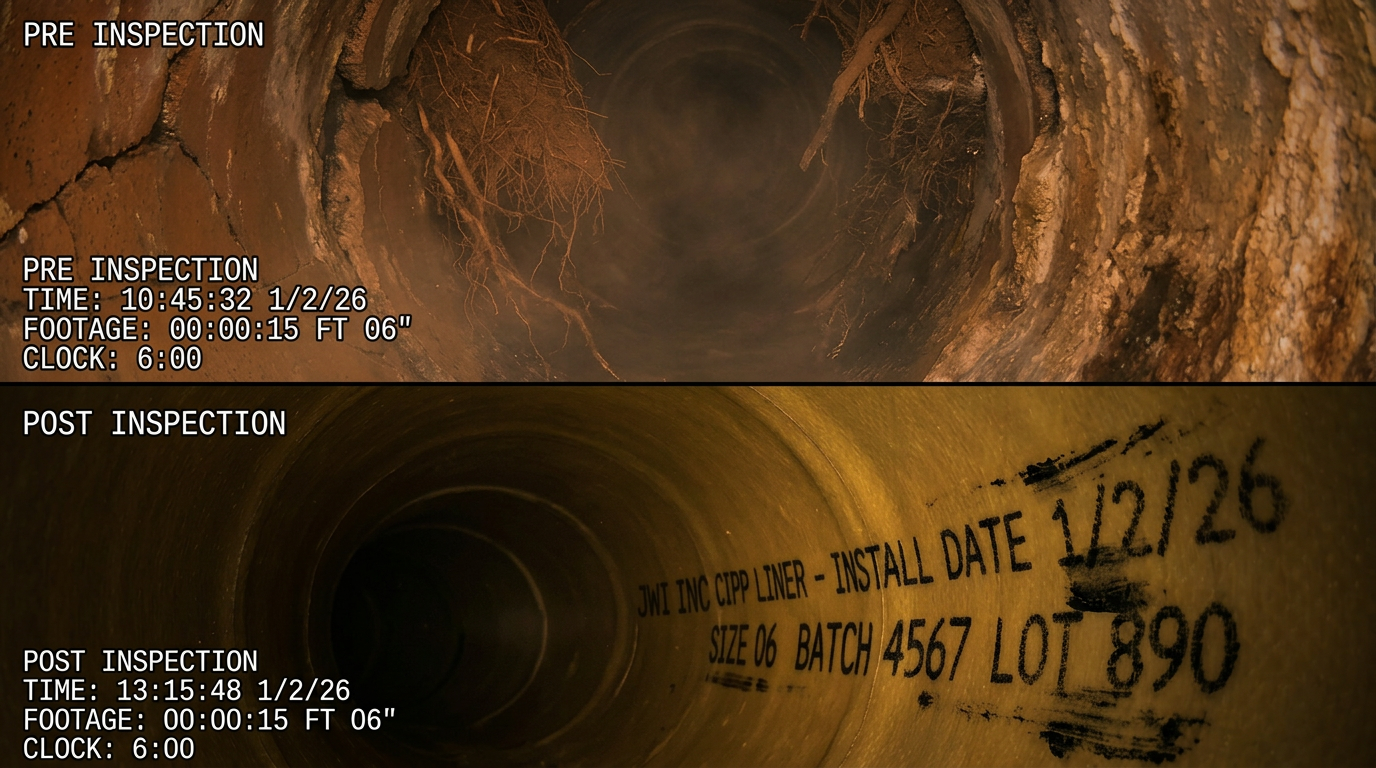
Discuss Surface Preparation and Coating Removal
Send substrate photos, existing coating details, and specifications so JWI can review whether media blasting may be appropriate.
- Site location and structure involved
- Photos or video of the condition
- Whether water is active or intermittent
- Drawings, specifications, or reports if available
- Access constraints and confined-space considerations
- Schedule or shutdown window if applicable