
Surface Preparation Systems for Repair and Protection
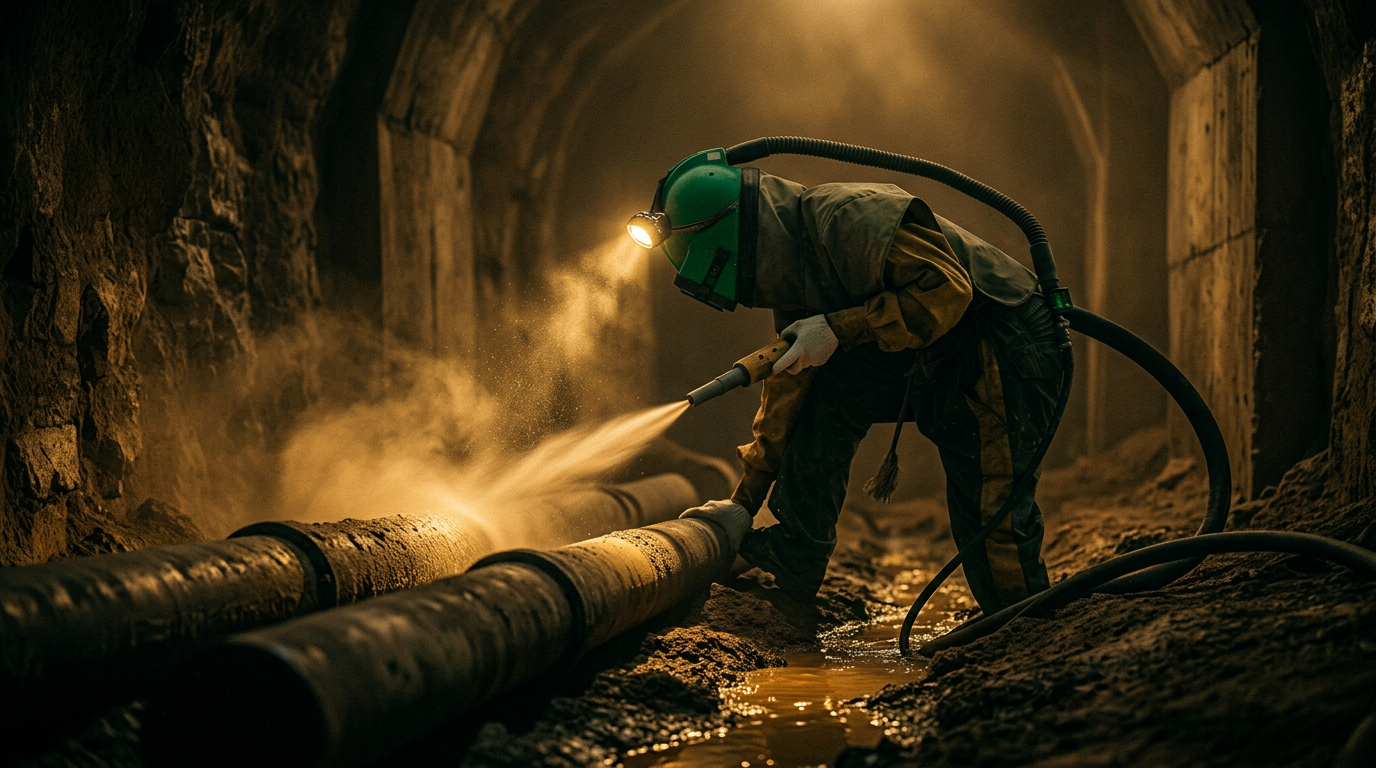
Surface preparation is often one of the most important factors in whether a coating, lining, overlay, or repair material bonds properly and performs as intended. JWI may use mechanical cleaning, profiling, removal of unsound material, and compatible pretreatment methods where appropriate before repair or protective work.
- Coating and lining prep
- Profile and cleanliness
- Contamination removal
- Manufacturer SSPC/ICRI alignment
Serving CT, NY, NJ, PA, and MA Commercial Properties
Surface preparation for coatings
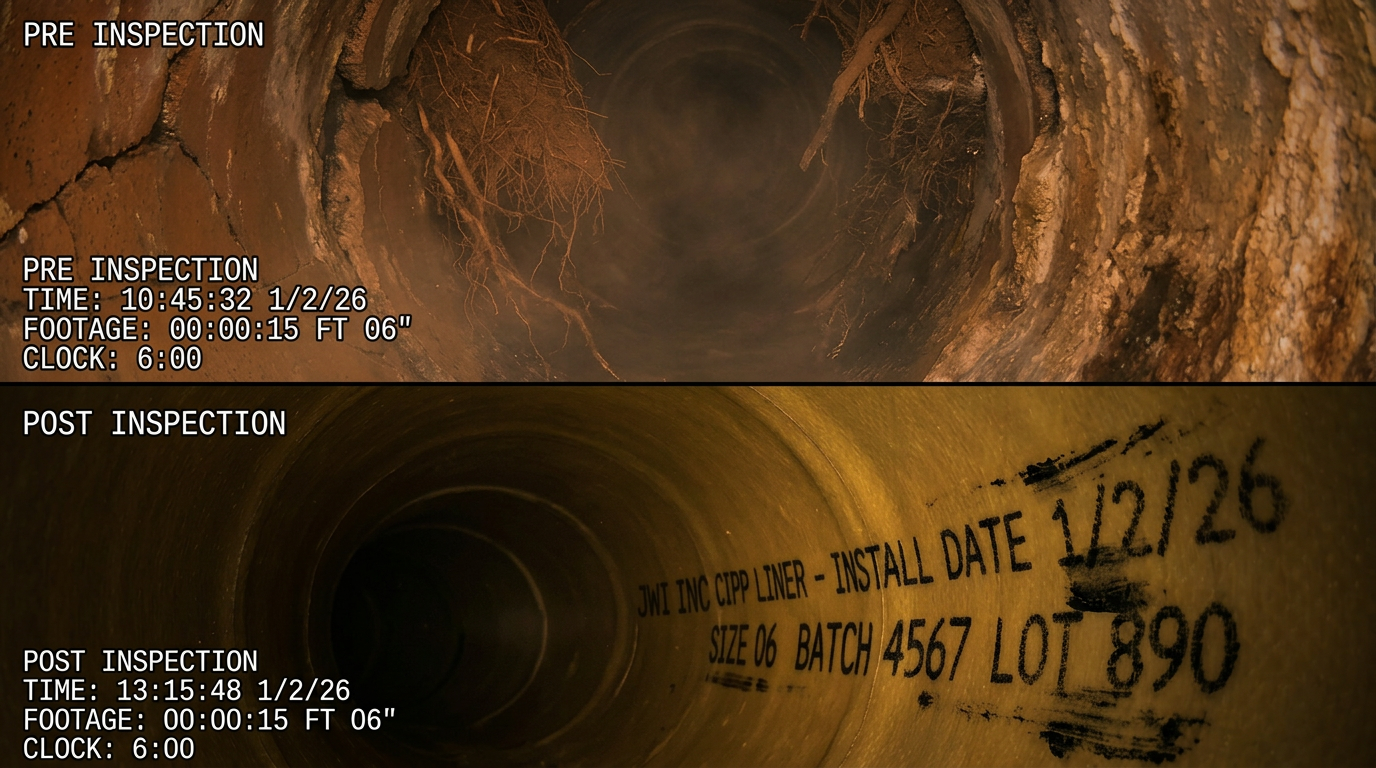
Surface preparation systems encompass the methods used to clean, profile, and condition a substrate before repair mortars, coatings, linings, or waterproofing materials are applied. This may include removal of laitance, failed coatings, contamination, and unsound concrete.
Preparation requirements are defined by the follow-on material manufacturer and project specifications, not by generic rules. A coating system that requires CSP 5 profiling cannot be applied over a smooth, contaminated surface.
JWI performs surface preparation as part of restoration and protection scopes. Preparation is field work coordinated with repair sequencing and environmental controls.
Commercial & Infrastructure Applications
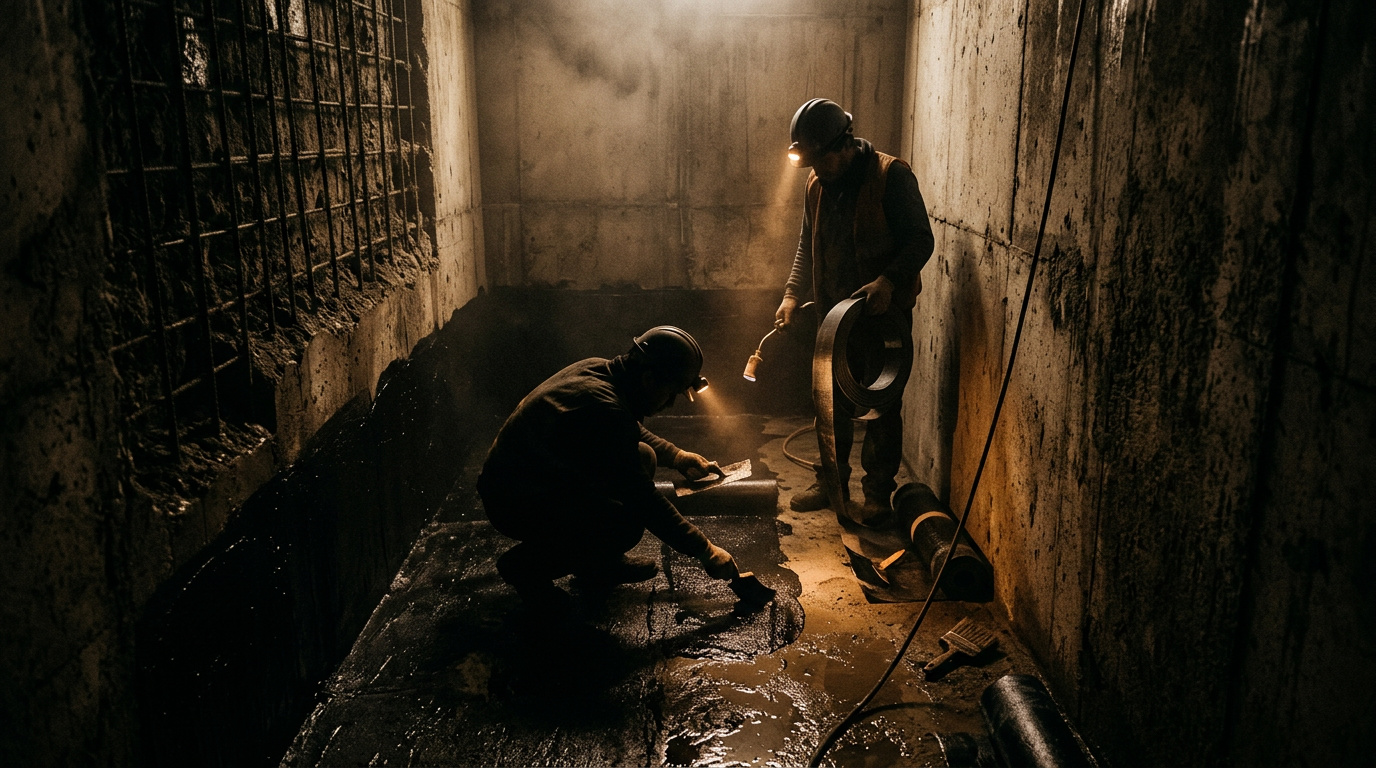
- Coating and lining preparation on wastewater structures
- Tank and manhole rehabilitation
- Industrial concrete before protective systems
- Deteriorated concrete before cementitious repair
- Failed coating removal before re-application
- Contaminated substrate cleaning in process areas
- Profile correction before overlays and repairs
What Problems It Helps Address
- Coating or lining failure from poor adhesion to weak or contaminated surfaces
- Laitance and weak surface paste preventing bond
- Existing failed coatings that must be removed
- Oil, grease, or effluent contamination on industrial concrete
- Irregular profiles that prevent uniform coating thickness
When This System May Be Appropriate
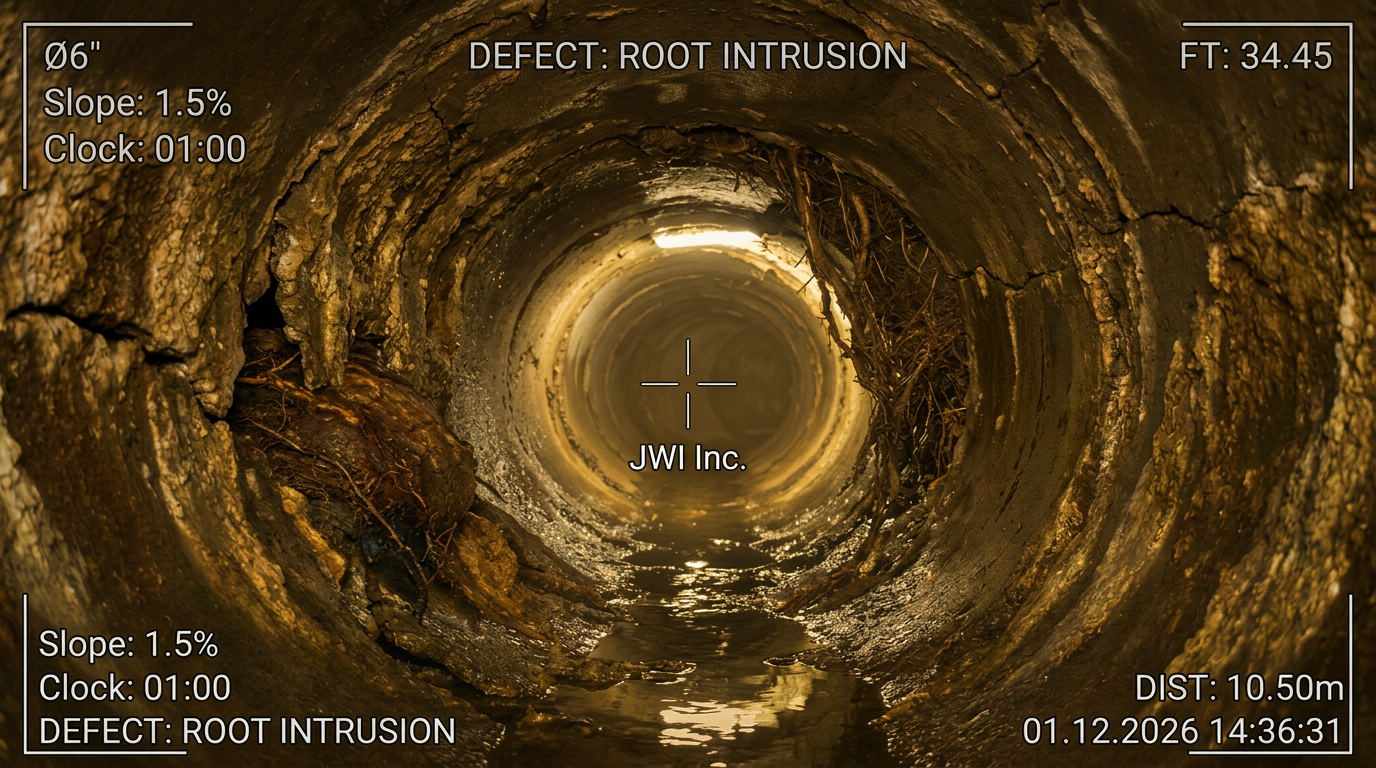
Preparation method depends on follow-on system requirements, substrate type, contamination, and access. JWI may consider:
- Mechanical scarification, grinding, or scabbling for profiling
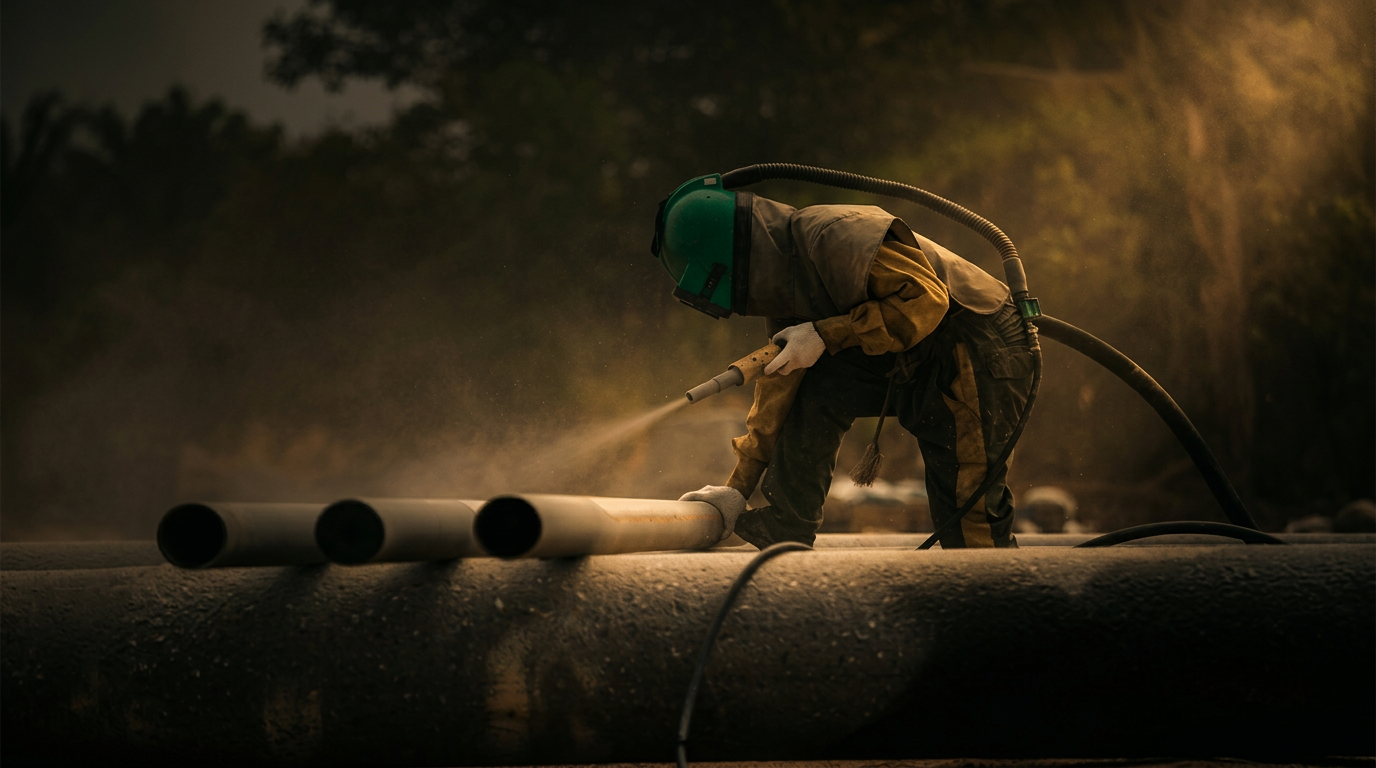
- Media blasting where specified for removal and profile. See media blasting page.
- Pressure washing and chemical cleaning where compatible with specs
- Removal of unsound concrete before repair mortar placement
- Moisture and pH testing when required before coating application
Limitations & Selection Factors
- Follow-on product requirements for profile, cleanliness, and moisture
- Containment and debris management in occupied or sensitive sites
- Confined-space ventilation during mechanical prep and blasting
- Substrate weakness: over-aggressive prep may damage sound concrete
- Environmental regulations for wash water and waste media
- Noise and dust constraints on active commercial sites
- Steel versus concrete preparation standards differ
- Lead paint or hazardous coatings require special handling when present
- Schedule coordination with repair, coating, and cure windows
- Manufacturer instructions and specifications
Material selection depends on field conditions, product requirements, substrate condition, exposure, and engineer direction where applicable. JWI provides specialty field contracting services, not engineering design or regulatory determinations.
Serving CT, NY, NJ, PA, and MA Commercial Properties
JWI supports commercial, municipal, industrial, institutional, and infrastructure properties across Connecticut, New York, New Jersey, Pennsylvania, and Massachusetts. Our work is suited for facilities where water intrusion, soil loss, slab movement, voids, concrete deterioration, or below-grade infrastructure failure can disrupt operations, create safety concerns, or increase long-term repair costs.
View the service area for CT, NY, NJ, PA, and MA commercial propertiesFrequently Asked Questions
Discuss Surface Preparation Requirements
Send substrate photos and specified coating or lining system so JWI can review preparation needs for the scope.
- Site location and structure involved
- Photos or video of the condition
- Whether water is active or intermittent
- Drawings, specifications, or reports if available
- Access constraints and confined-space considerations
- Schedule or shutdown window if applicable