

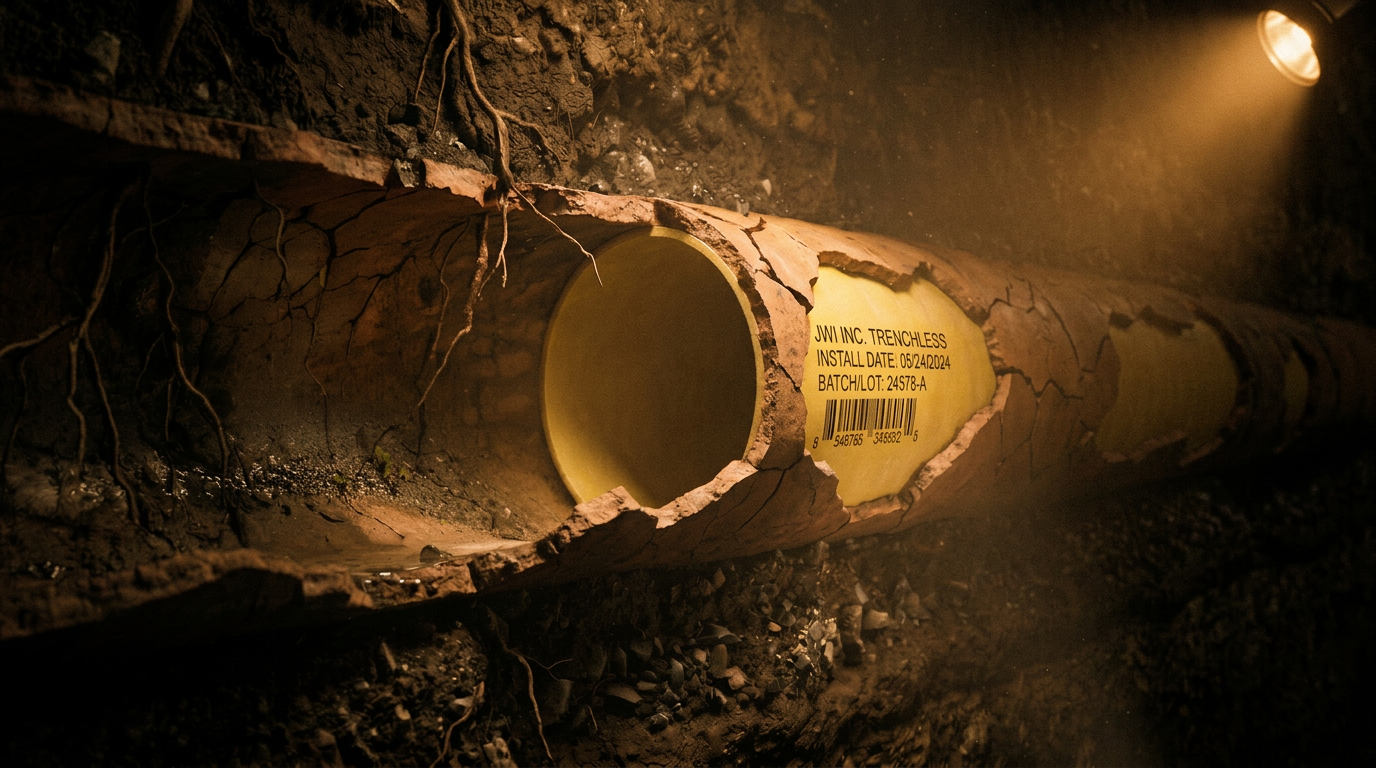
Mortar Pumping Systems for Confined Repair Placement
Pumped placement can support repair work where hand placement is inefficient, access is constrained, or material must be delivered into specific voids, forms, or repair zones. JWI may use mortar pumping systems to place repair mortars, fills, or cementitious materials where appropriate.
- Confined-space placement
- Manholes and vaults
- Form-and-pump repair
- Cementitious material delivery
Serving CT, NY, NJ, PA, and MA Commercial Properties
Mortar pumping repair placement
Mortar pumping systems use hose-and-pump equipment to deliver cementitious repair mortars, grouts, or fills from a mixer to the repair zone. This allows placement at depth, around obstructions, or into forms without carrying material by hand through confined access.
Pumping is a placement method, not a material type. The repair mortar or fill must still match substrate, exposure, and specifications. Surface preparation precedes placement when required.
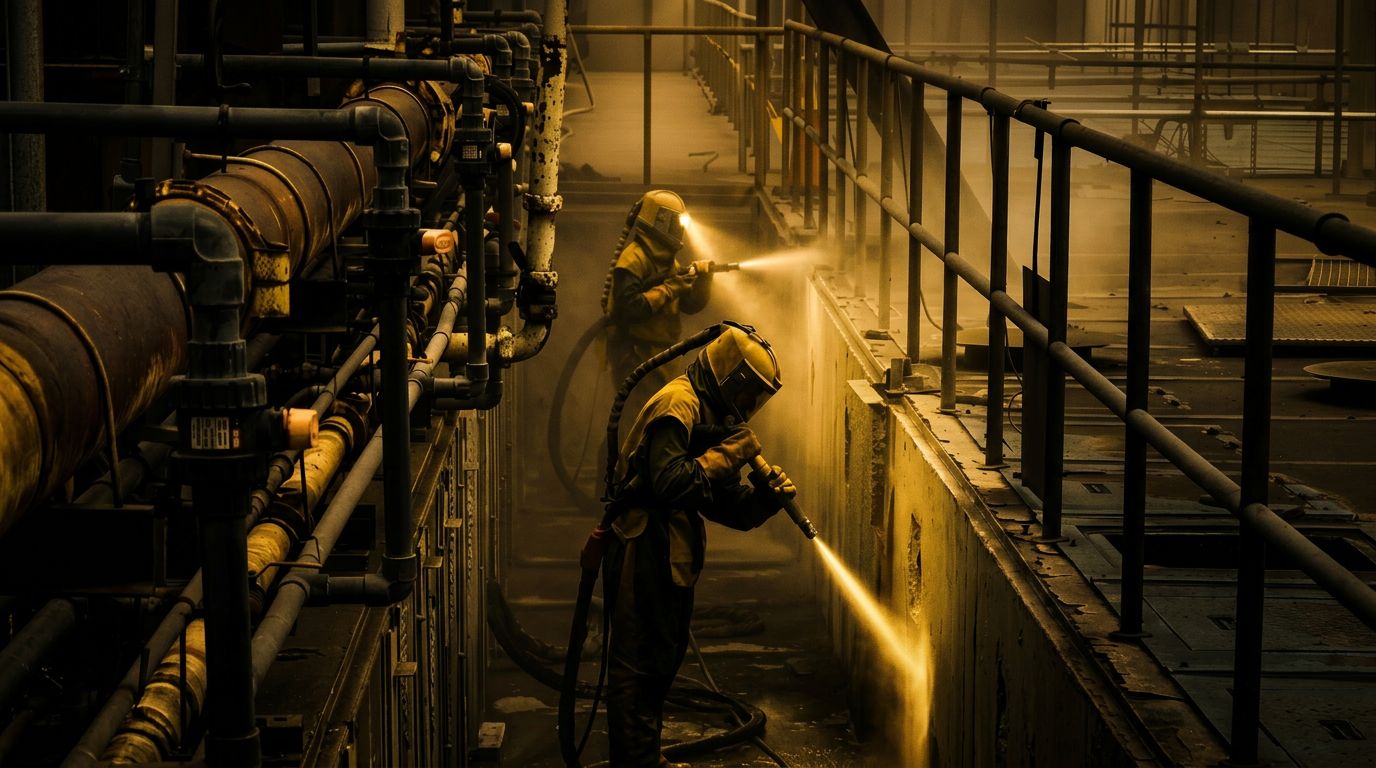
JWI may coordinate pumped placement on wastewater, utility, and industrial structures where access and safety requirements allow.
Commercial & Infrastructure Applications
- Manholes and vaults with depth or ladder-access constraints
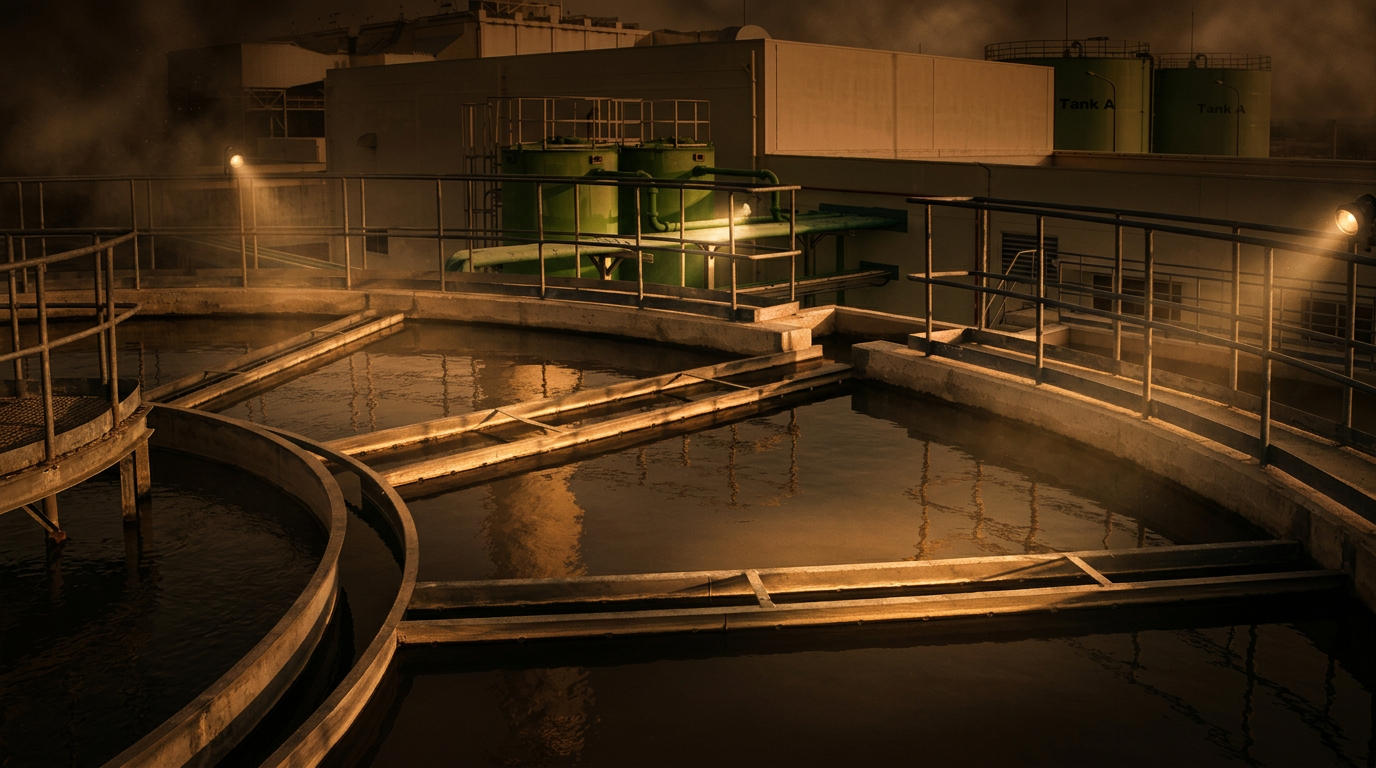
- Tanks and wet wells requiring overhead or remote placement
- Tunnels and large-diameter pipe repair zones
- Infrastructure repairs with form-and-pump detailing
- Void filling with flowable cementitious materials where specified
- Resurfacing large vertical areas in confined structures
- Repair zones where hand carrying is impractical
What Problems It Helps Address
- Inefficient hand placement in deep or confined structures
- Need for continuous placement in vertical or overhead repair zones
- Delivery of repair mortar into forms or rebuild sections
- Consistency and workability challenges in remote repair locations
- Schedule pressure to place larger repair volumes in limited access windows
When This System May Be Appropriate
Mortar pumping may be appropriate when access, volume, or geometry favors pumped delivery. Hand placement or other methods may be preferred when:
- Repair area is small and easily reached. Hand placement may be simpler.
- Mix design is not pumpable per manufacturer limits
- Hose routing cannot be achieved safely in confined or occupied spaces
- LDCC or injection grout is specified instead of repair mortar
- Surface preparation or leak control must be completed before any placement
Limitations & Selection Factors
- Mix design must be compatible with pump and hose size
- Substrate preparation and bond requirements unchanged by pumping
- Confined-space safety, ventilation, and entry permits where applicable
- Active water and wet substrate conditions
- Access openings for hose, venting, and cleanup
- Lift thickness and build rate per product data
- Cure conditions in humid or immersed environments
- Distance and elevation limits for pump equipment
- Compatibility with specified coatings or linings applied after repair
- Manufacturer instructions and project specifications
Material selection depends on field conditions, product requirements, substrate condition, exposure, and engineer direction where applicable. JWI provides specialty field contracting services, not engineering design or regulatory determinations.
Serving CT, NY, NJ, PA, and MA Commercial Properties
JWI supports commercial, municipal, industrial, institutional, and infrastructure properties across Connecticut, New York, New Jersey, Pennsylvania, and Massachusetts. Our work is suited for facilities where water intrusion, soil loss, slab movement, voids, concrete deterioration, or below-grade infrastructure failure can disrupt operations, create safety concerns, or increase long-term repair costs.
View the service area for CT, NY, NJ, PA, and MA commercial propertiesFrequently Asked Questions
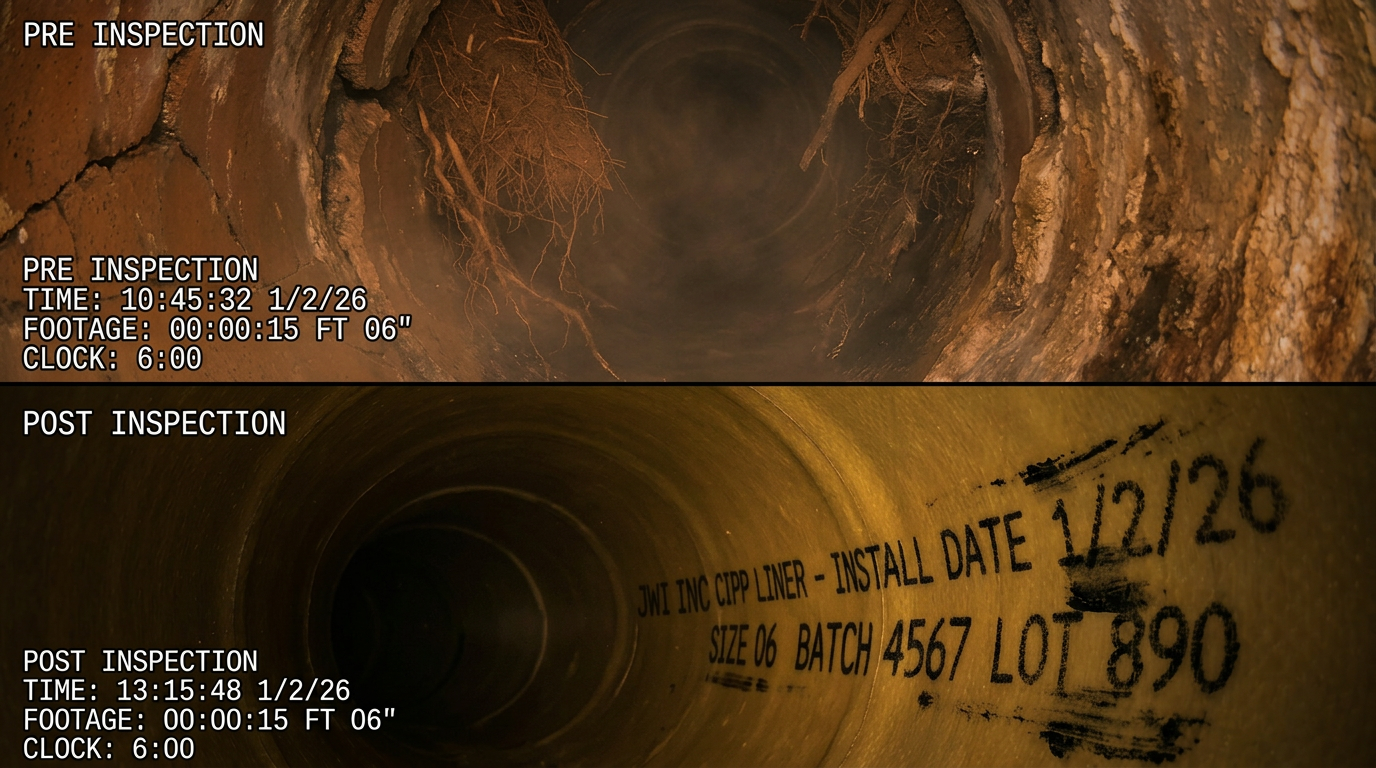
Discuss Confined Repair Placement
Share structure access, repair zone details, and specifications so JWI can review whether mortar pumping may support the scope.
- Site location and structure involved
- Photos or video of the condition
- Whether water is active or intermittent
- Drawings, specifications, or reports if available
- Access constraints and confined-space considerations
- Schedule or shutdown window if applicable